Moles & Voles of Illinois
Moles and voles can both leave frustrating signs in lawns, but they are very different animals. Learn how to tell underground mole tunnels from surface vole runways, what each animal eats, and which damage clues matter.
Mole or vole? Start with the trail.
The fastest clue is usually the pattern left behind. Moles tunnel below ground. Voles travel and feed at the surface, often beneath grass, mulch, leaves, or winter snow.
Mole signs
- Raised ridges or buckled turf
- Volcano-like soil mounds from deeper tunnels
- Few or no obvious open holes along a runway
- Damage is mainly from tunneling, not eating plants
Vole signs
- Narrow, worn surface runways through grass
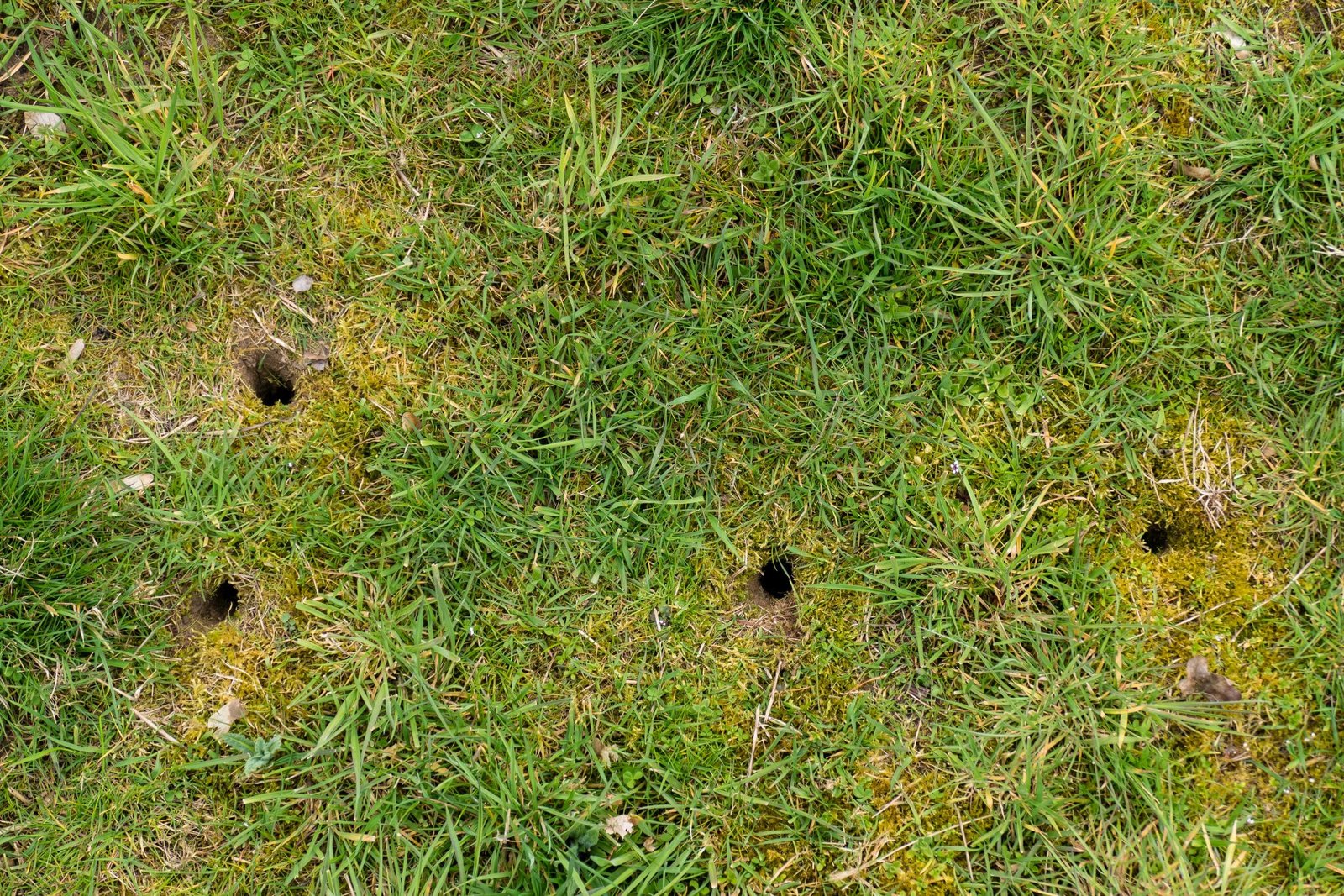
- Small open burrow entrances
- Clipped grass, roots, bulbs, or plant crowns
- Gnaw marks around young tree or shrub bark
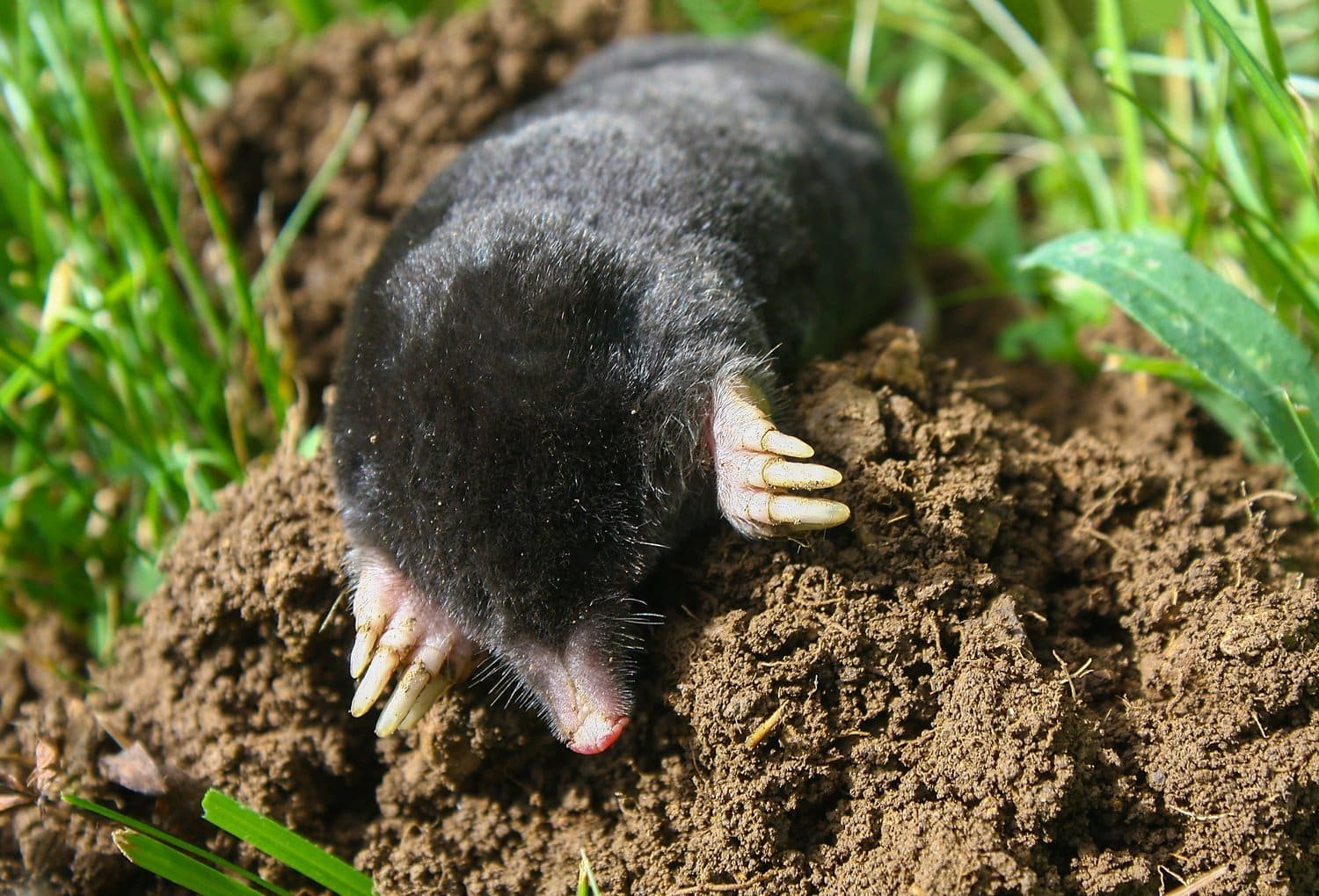
Illinois’ familiar underground digger
The eastern mole is built for life beneath the surface, with a streamlined body, tiny eyes and ears, and broad front feet that work like shovels. Most of its activity takes place in a network of feeding runs and deeper travel tunnels.
Moles are insectivores. Earthworms are a major part of their diet, along with grubs and other soil-dwelling invertebrates. They do not normally eat grass roots or garden plants, though their tunneling can lift turf, expose roots, and create uneven areas.
Habits
Shallow runs may appear suddenly when soil moisture and food conditions are favorable. Deeper tunnels connect feeding areas and can be reused. Fresh, active runs are more relevant than old ridges that may remain visible after a mole has moved on.
Small rodents that live close to cover
Voles are compact, short-tailed rodents sometimes called meadow mice. Unlike moles, they spend much of their time at or near the surface and feed primarily on vegetation. Dense groundcover, tall grass, mulch, leaf litter, and snow can hide their travel routes.
Illinois is home to meadow, prairie, and woodland voles. Exact habitat varies, but all can be distinguished from moles by their rodent-like faces, visible eyes and ears, and plant-based feeding damage.
Diet and damage
Voles eat grasses, seeds, roots, bulbs, tubers, plant crowns, and bark. Lawn runways may be mostly cosmetic and recover, but feeding on roots or girdling bark can seriously injure landscaping and young trees.
What the lawn is telling you
Raised soil
Long, raised ridges point toward mole feeding tunnels. Larger piles of loose soil can mark deeper excavation.
Worn surface paths
Shallow, open trails through grass with clipped vegetation are more consistent with voles.
Plant injury
Chewed bark, missing roots, damaged bulbs, or clipped stems indicate a plant-feeding rodent rather than a mole.
Why activity appears around a property
Moist, productive soil
Lawns with abundant earthworms and other invertebrates can support mole activity. Irrigation and seasonal rain can shift where fresh runs appear.
Heavy ground cover
Voles benefit from places that conceal them from predators. Tall grass, weeds, dense beds, mulch, and snow cover can make surface travel safer.
Winter clues
Vole runways and bark damage are often discovered after snow melts because they can remain active beneath the snowpack.
Predators and ecology
Both animals are part of local food webs. Hawks, owls, foxes, snakes, and other predators may feed on them.
Mole and vole facts
Do grubs always cause moles?
No. Moles eat a variety of soil organisms, and earthworms are a major food source. Treating only for grubs does not guarantee mole activity will stop.
Are moles rodents?
No. Moles are insectivorous mammals adapted to digging. Voles are rodents and have the gnawing teeth and plant-based diet typical of that group.
Do voles enter houses?
Voles are usually an outdoor lawn and landscape issue. Their habits differ from house mice, which commonly seek shelter inside structures.
Are all visible trails active?
No. Old mole tunnels and vole runways may remain visible. Identifying fresh activity helps separate current pressure from historic damage.
Learn more from the University of Illinois Extension: Eastern mole and voles.
Seeing fresh tunnels or runways?
D&K can identify the activity and provide targeted mole trapping or vole abatement based on the signs around your lawn and landscaping.