Squirrels of Illinois
Learn how to identify Illinois tree squirrels, what they eat, where they nest, when they raise young, and why they sometimes move into attics and rooflines.
This educational guide is separate from our professional removal service.
Four tree squirrels found in Illinois
Illinois supports several squirrel species. The four tree squirrels below are the ones most relevant to wooded neighborhoods, mature trees and occasional structure entry. Ground squirrels and chipmunks have different habits and usually remain closer to the ground.
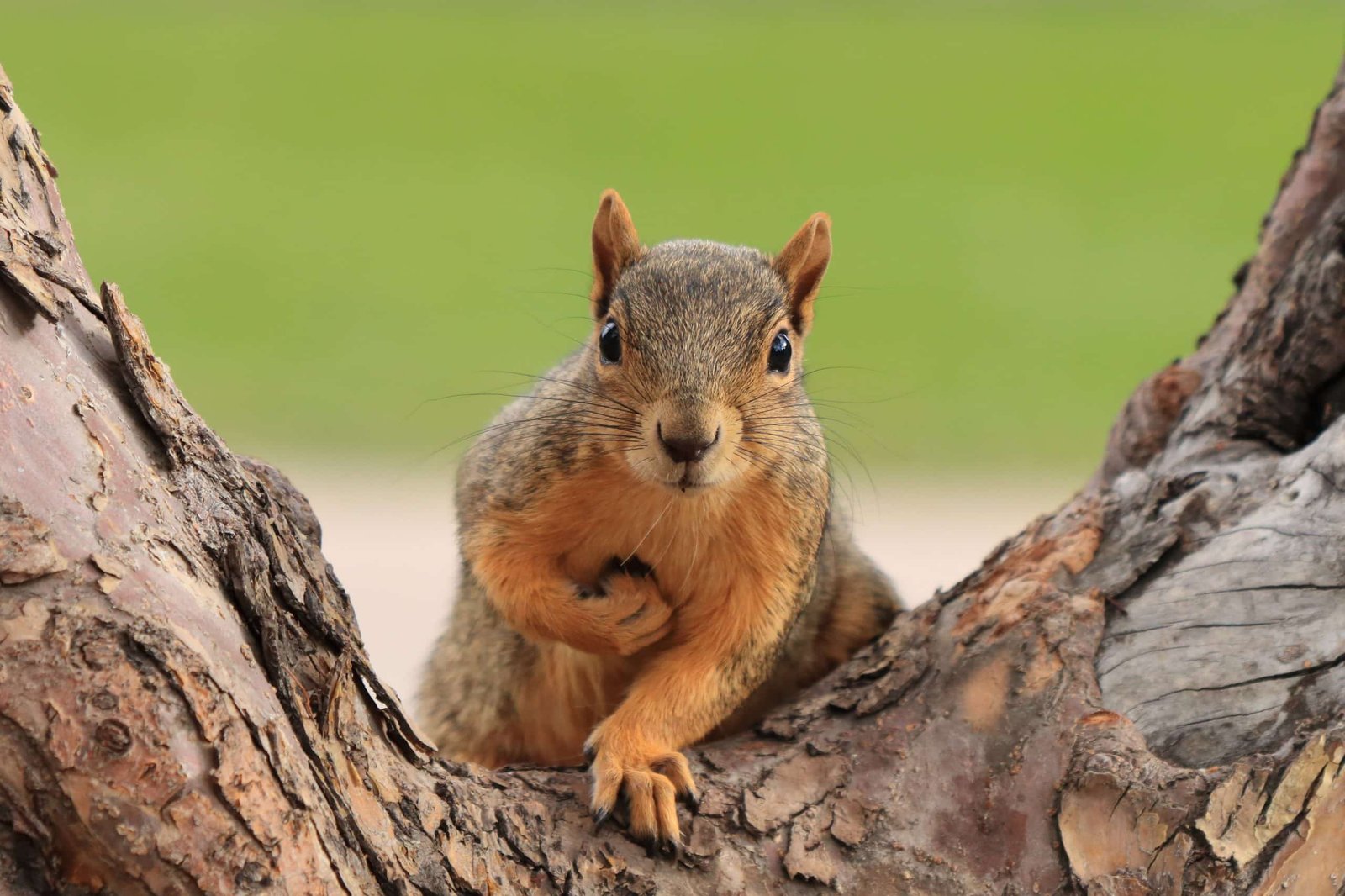
Eastern fox squirrel
Sciurus niger
The largest common tree squirrel in Illinois. Fox squirrels often have rusty-orange underparts, a grizzled gray-brown back and a full tail. They favor woodland edges, open stands of mature trees, parks and neighborhoods.
Eastern gray squirrel
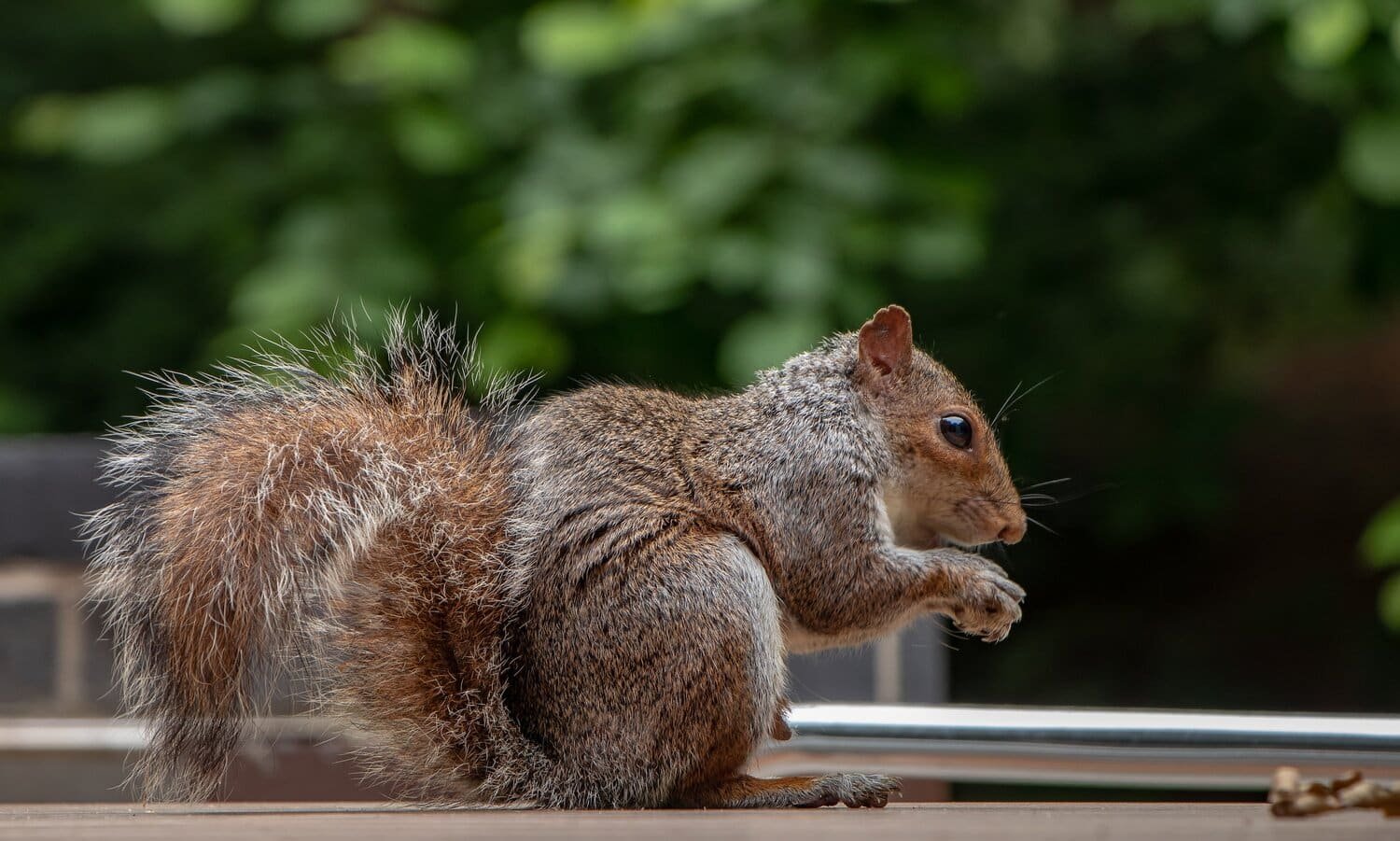
Sciurus carolinensis
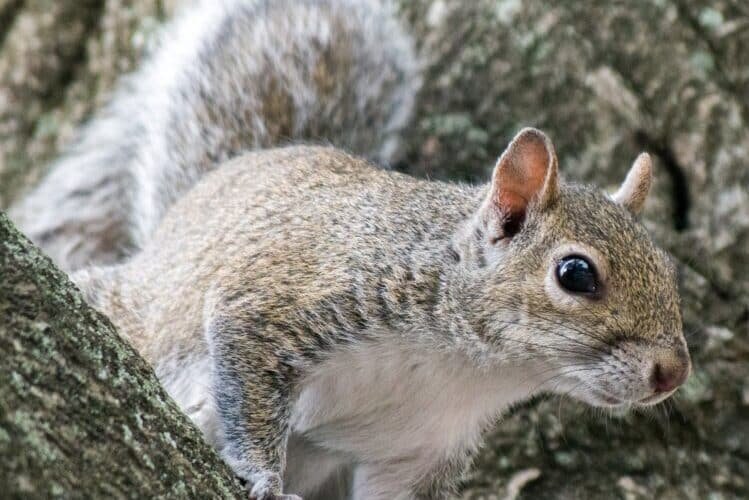
Gray squirrels have gray fur, pale underparts and a bushy tail edged in white. Dark or nearly black color phases also occur. They are agile canopy squirrels and are especially common around mature hardwoods and urban trees.
American red squirrel
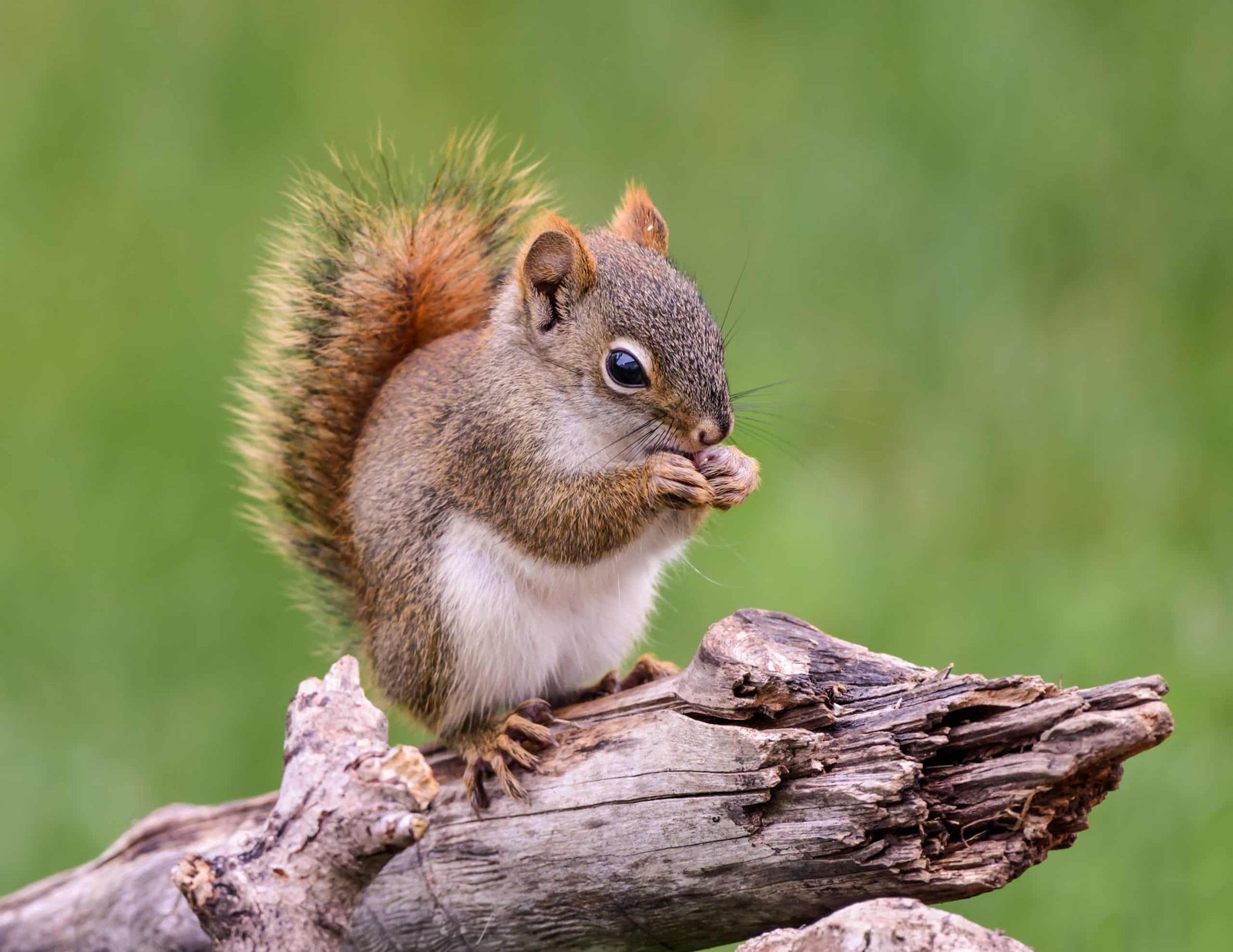
Tamiasciurus hudsonicus
Smaller than fox and gray squirrels, the red squirrel has reddish upper fur, pale underparts and a bold personality. It is closely associated with conifers and may leave piles of cone scales near feeding areas.
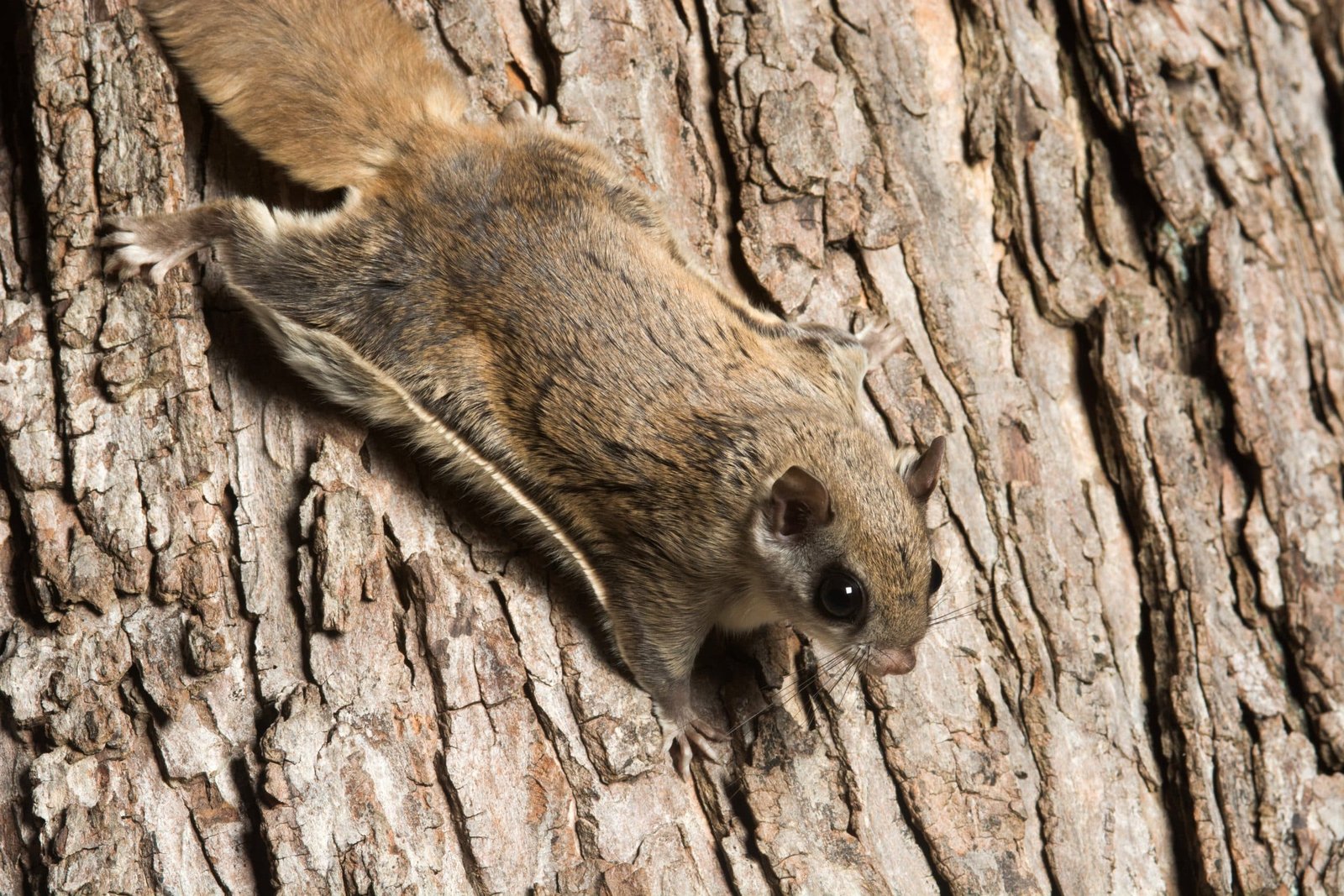
Southern flying squirrel
Glaucomys volans
This small nocturnal squirrel has very large eyes and a membrane between the front and rear legs that lets it glide between trees. Because it is active after dark, homeowners may hear it without seeing it.
What squirrels eat and where they spend the day
Squirrels are opportunistic omnivores, but plant foods make up much of the diet. Natural foods include acorns, hickory nuts, walnuts, seeds, buds, flowers, fruit, fungi and tender vegetation. Insects, eggs or other animal material may occasionally be eaten.
- Fox and gray squirrels are most active during daylight, often in the morning and late afternoon
- Red squirrels frequently defend food stores and feeding territories
- Flying squirrels emerge after dark and may share den sites
- Food is cached in soil, tree cavities or protected locations
- Bird seed, garden produce and accessible pet food can supplement natural foods
Tree cavities, leaf nests and attic dens
Squirrels build leafy nests called dreys high in trees and also use natural cavities. A protected attic, soffit or wall cavity may imitate a hollow tree—warm, dry and sheltered from predators.
Never assume an attic contains only one squirrel
Season, sound patterns and nest evidence matter. Closing an entry point before dependent young are found can separate a mother from her litter and create additional damage as she tries to return.
Risks associated with squirrels in structures
Wild squirrels usually avoid people, and serious disease transmission is uncommon. Problems increase when animals, droppings, nesting material or ectoparasites are handled directly.
Bites and scratches
Do not corner or handle a wild squirrel. Wash any bite or scratch promptly and contact a healthcare professional for guidance.
Droppings and nesting debris
Urine, feces, food caches and insulation may create odor or contamination. Avoid dry sweeping dusty rodent debris.
Fleas, ticks and mites
Nests and animals may carry ectoparasites. Use care when disturbing nesting material, particularly in enclosed spaces.
CDC guidance for wild-rodent cleanup
The CDC recommends precautions when handling rodent waste and nesting material. Do not stir contaminated dust into the air. Review the current guidance before cleaning a significant infestation.
Clues that squirrels are using a structure
- Fast running, rolling or scratching sounds during daylight
- Gnawing sounds near soffits, roof edges or wall cavities
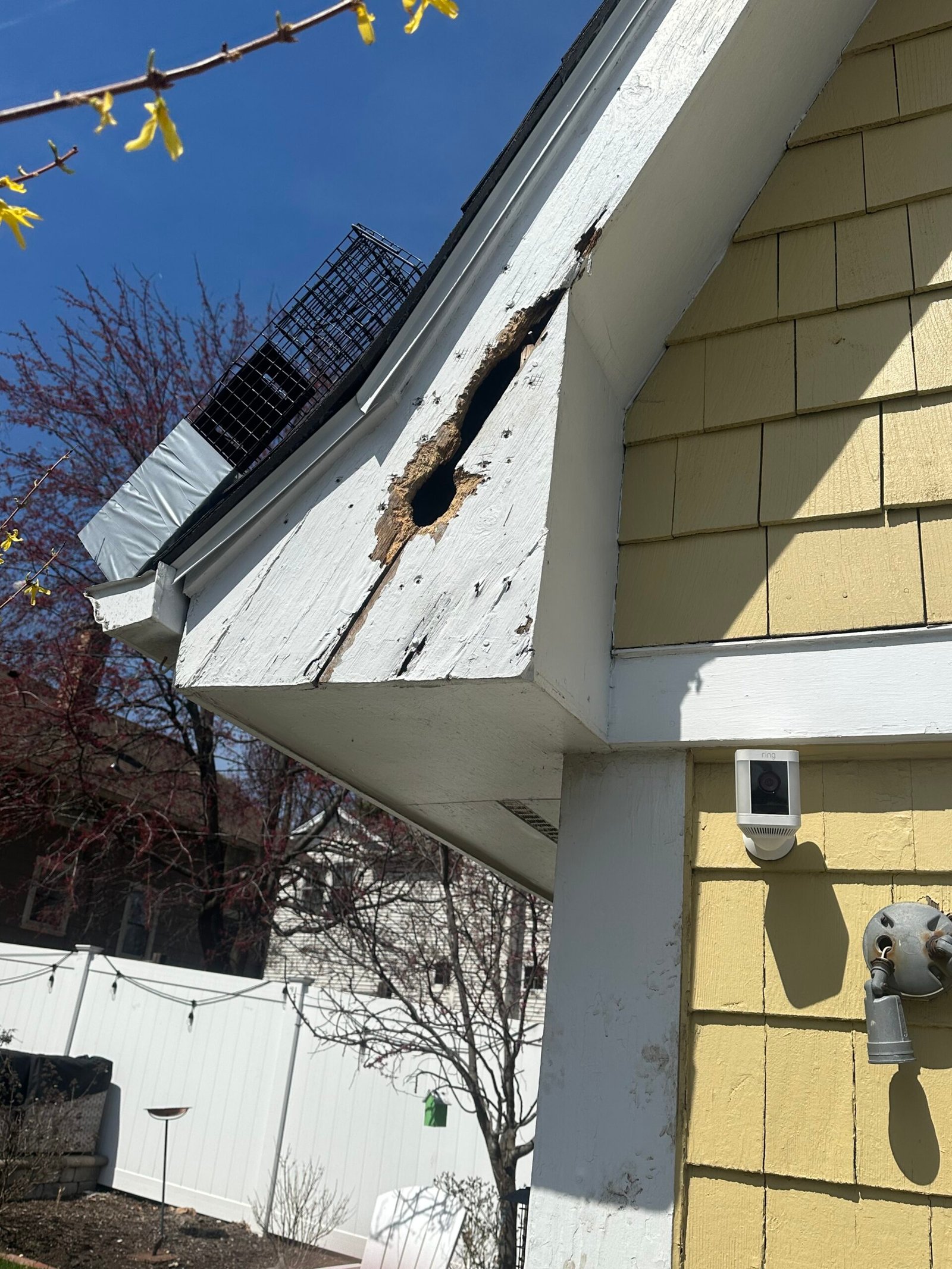
- Chewed fascia, vents or roofline materials
- Nesting debris, leaves or insulation near an opening
- Repeated squirrel traffic along gutters, wires or branches
- Droppings, food caches or compressed insulation in an attic
Reduce food and shelter opportunities
Roofline maintenance
Repair deteriorated soffits, fascia and vents. Use wildlife-resistant materials appropriate for the construction.
Manage access routes
Trim branches that provide direct roof access when practical and inspect areas where utilities or roof sections meet.
Control attractants
Clean spilled seed, secure outdoor food and avoid feeding squirrels immediately beside the structure.
Do not close an active opening until the animals are accounted for
An exclusion repair should follow a careful inspection and removal plan. If you currently hear attic activity, learn about our professional squirrel removal and exclusion service.
Learn how D&K removes squirrels and protects the entry point
Our separate service page explains inspection, humane removal, dependent-young checks, exclusion repairs and cleanup options.