
Bat Removal That Protects Your Home—and the Colony
Professional bat inspection, one-way exclusion, entry-point sealing and attic cleanup for homes across Northern Illinois. We solve the structure problem without trapping bats inside.
Bats belong in Illinois skies—not inside your attic
A bat colony usually gets inside through a narrow construction gap along a roof edge, soffit, fascia, chimney or vent. Removing the animals without repairing those openings only resets the problem.
D&K Pest Control and Wildlife Removal approaches bat control as a full building-exclusion project. We locate active exits, identify other usable gaps, plan the work around Illinois’ protected exclusion periods and create a controlled route out. Once the colony has left, we finish the primary opening so the bats cannot simply return.
- Attic and exterior inspection
- Dusk observation when useful for locating active exits
- One-way bat valves or netting at primary openings
- Durable sealing of secondary roofline gaps
- Final closure after activity has ended
- Guano cleanup and sanitation options when needed
Want to understand the animals first? Visit our Illinois bat identification and facts guide.
Inspect. Exclude. Seal. Restore.
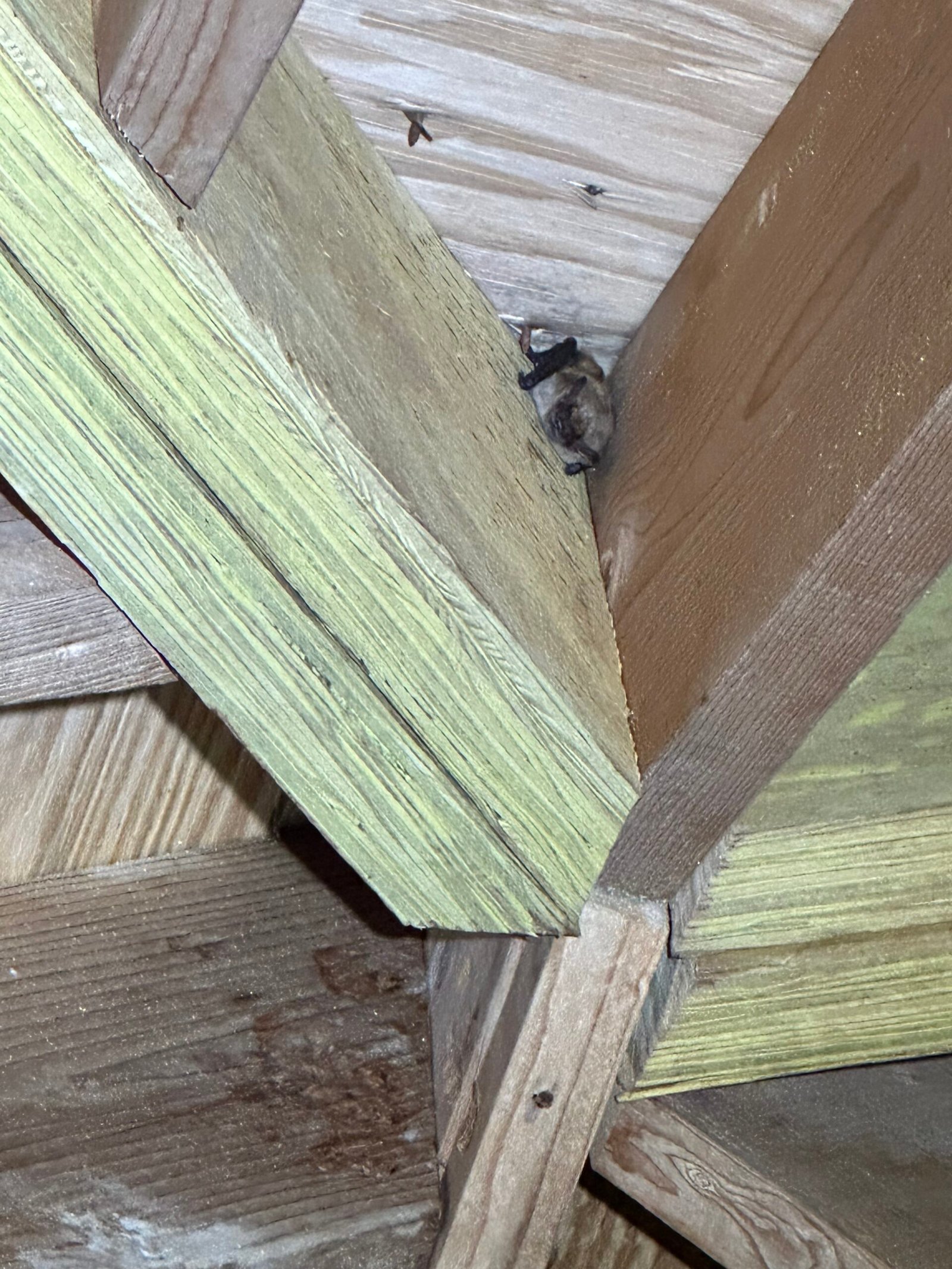
Find how they are using the home
We examine the attic and exterior for guano, rub marks, daylight gaps and active routes along the roofline.
Close alternate openings
Secondary gaps are repaired so bats cannot shift to another weak point when the main route receives a valve.
Give bats one safe way out
A properly placed one-way device lets resident bats leave to feed but prevents re-entry.
Remove the device and close the route
After confirming the colony is out, we remove the device, complete the permanent repair and discuss cleanup needs.
Bat entry points are usually high, narrow and easy to miss
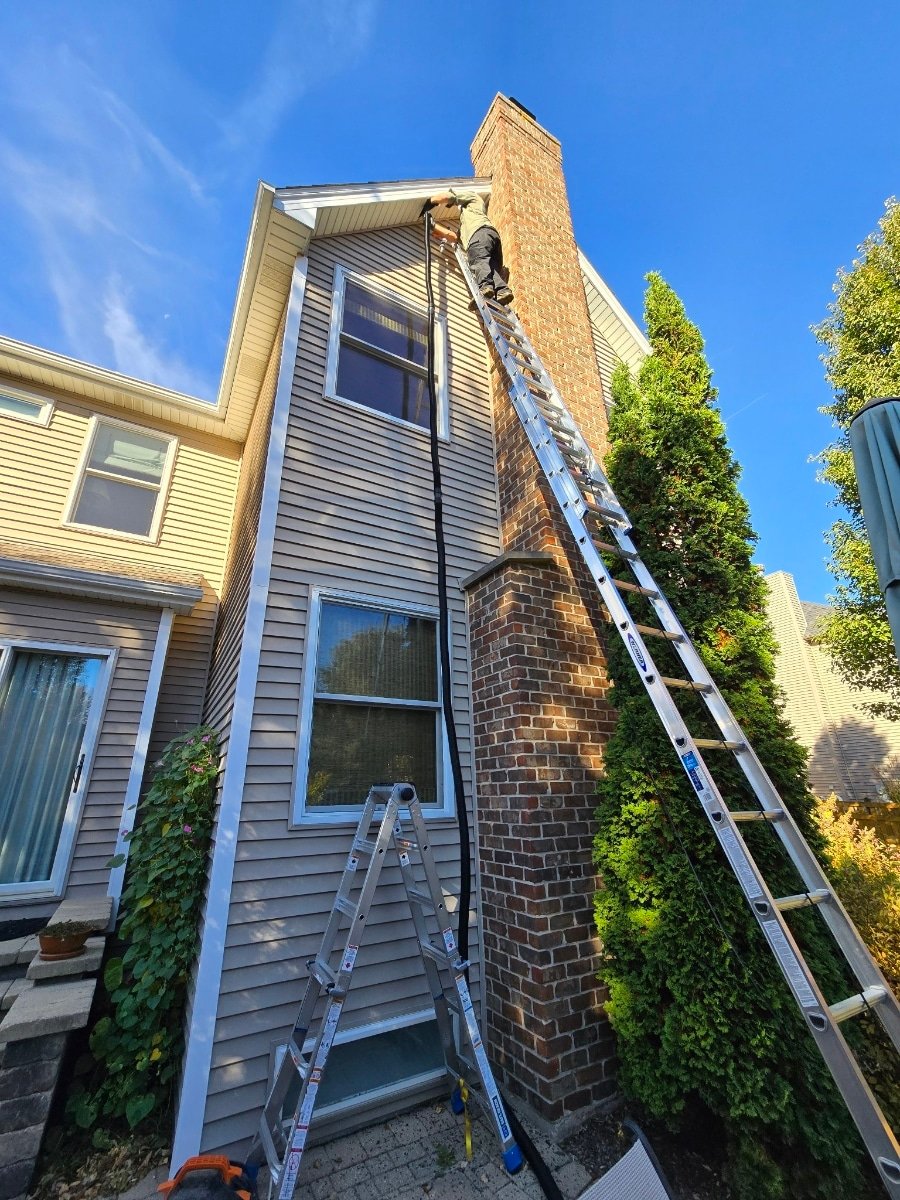
Successful bat exclusion requires access to the roofline—not just a quick look from the driveway. Our technicians carry the equipment needed to inspect and repair high eaves, soffits, fascia transitions, vents, flashing and chimney areas.
Because bats can use openings greater than roughly one-quarter inch, the quality of the repair matters as much as the removal device. We match exclusion materials to the construction detail instead of relying on a single temporary product everywhere.
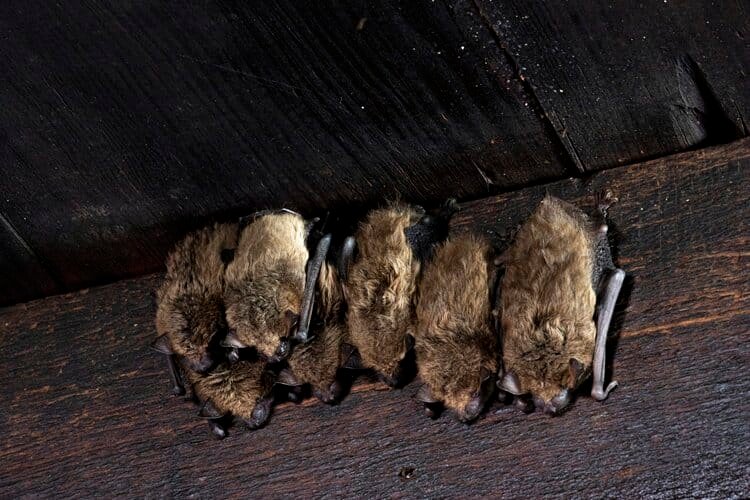
Timing protects dependent pups
All Illinois bats are protected under the Wildlife Code. A bat in an actively used living space can be removed at any time, but permanent eviction of a colony from an attic or other non-living space follows specific seasonal and temperature rules.
March 15–May 15 and August 5–October 30, when outdoor temperatures are above 50°F at dusk.
Outside those windows, dependent young may be unable to fly or resident bats may not be able to leave safely. We can still inspect, document entry points and plan repairs, then schedule the active exclusion for a compliant time.
Source: Illinois Department of Public Health Bat Encounters Fact Sheet.

Guano cleanup and attic sanitation
Droppings can accumulate below long-used roosts and may create odor, staining or insulation contamination. Once the bats are out and the structure is secured, we can evaluate whether spot cleaning or broader attic restoration is appropriate.
Disturbing contaminated material can send fine particles into the air. The CDC explains that histoplasmosis is caused by breathing in spores from an environmental fungus that can occur in soil or material enriched by bird or bat droppings. Cleanup scope and protective measures should match the amount and condition of the material.
- Remove accessible guano and contaminated debris
- HEPA-focused dust control and appropriate protective equipment
- Sanitize affected surfaces where practical
- Discuss damaged insulation and restoration options
Health information: CDC—How People Get Histoplasmosis.
Was a bat in a bedroom or living space?
Do not handle it with bare hands or release it before the possible exposure has been evaluated. Confine the bat to the room if you can do so safely, keep people and pets away, and contact your city or county health department or animal control. A bite can be difficult to see, so Illinois public-health guidance treats some close-contact situations—such as waking with a bat in the room—as possible exposures.
Common questions from Illinois homeowners
Can bats be poisoned or trapped inside?
No. A professional exclusion gives bats a controlled way out and prevents their return. Sealing an active primary opening before the colony exits can push bats deeper into the structure or living space.
How do I know if I have a colony?
Common signs include guano below a roofline gap or inside the attic, dark rub marks at an opening, squeaking or scratching near dusk and repeated bat activity at the same point.
Will a bat house remove bats from my attic?
No. A bat house may provide habitat, but it does not remove an established colony or secure openings in the building. The home still requires a properly timed exclusion and repairs.
Can you do anything during maternity season?
Yes. We can inspect, identify entry points, separate the attic from living space and plan the project. Permanent eviction from a non-living space must wait for a permitted exclusion window.
Do all bats carry rabies?
No. Most bats are not infected, but rabies cannot be diagnosed by appearance alone. Avoid direct contact and let your local health department evaluate any possible exposure.
Ready to get bats out—and keep them out?
Start with a careful inspection of the attic, roofline and active entry points. We will explain what we find, the legal timing and the repair plan before exclusion begins.