
ILLINOIS PEST IDENTIFICATION GUIDE
Cockroaches of Illinois
Several cockroach species can appear in Illinois homes and businesses, but they do not all live in the same places or require the same response. German cockroaches are the most common indoor breeding species, while American and Oriental cockroaches are often connected to damp lower levels, drains or utility areas.
This guide covers identification, habits, diet, life cycle, risks and common signs of cockroach activity.
Common Cockroach Species Found in Illinois
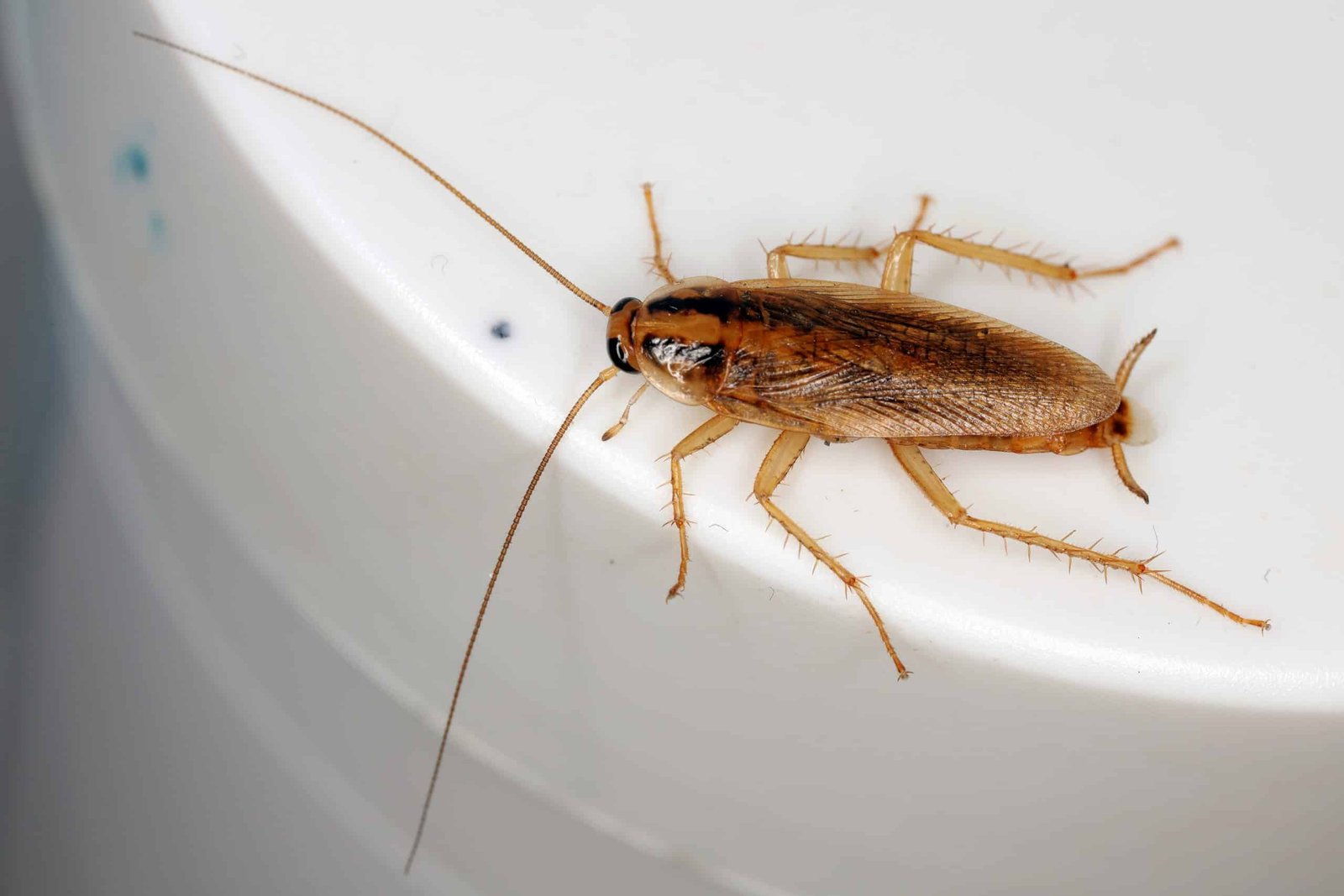
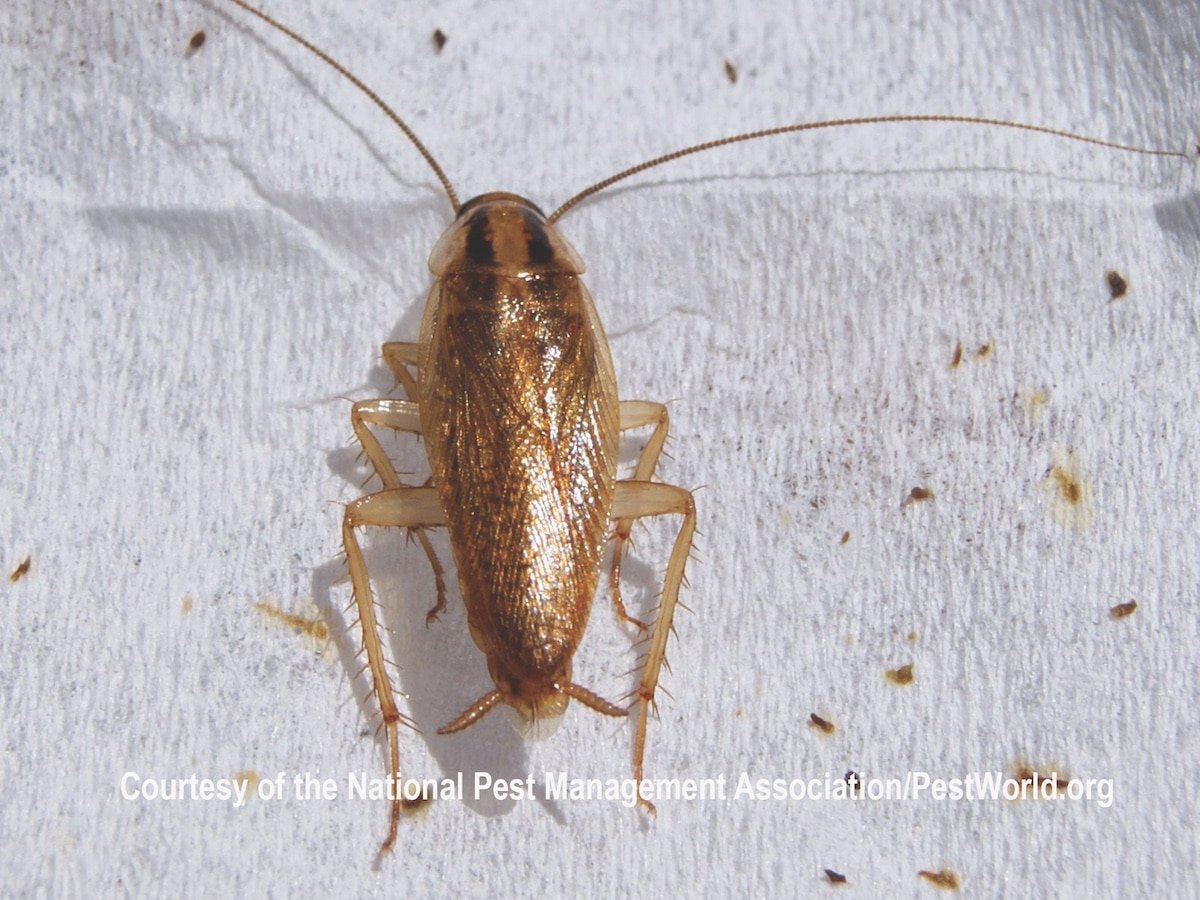
German Cockroach
Blattella germanica
Small, tan cockroaches with two dark parallel stripes behind the head. German cockroaches reproduce rapidly and usually live close to food, warmth and water.
- Typical areas: Kitchens, bathrooms, appliances and cabinets
- Diet: Food residue, grease, crumbs, starches and organic debris
- Key fact: The most common serious indoor cockroach infestation
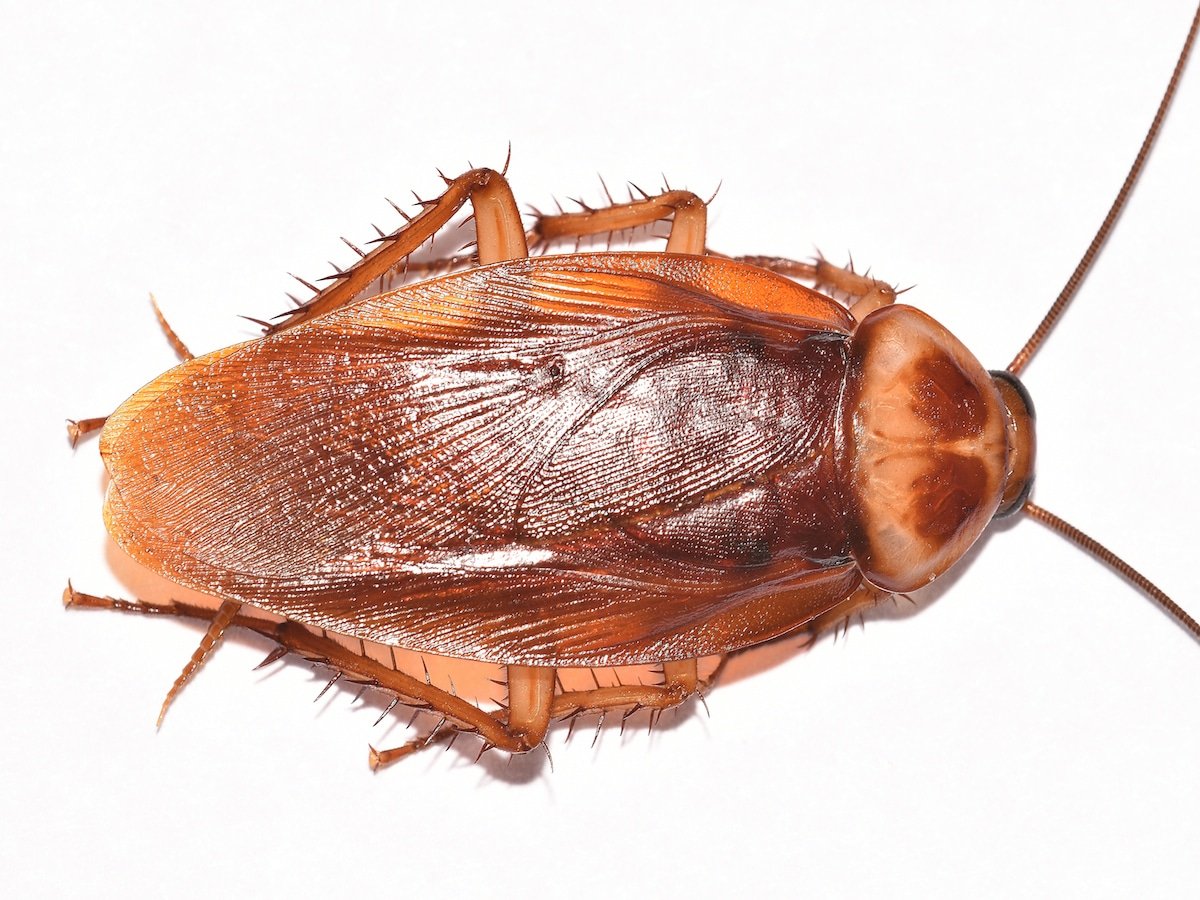
American Cockroach
Periplaneta americana
A large reddish-brown species with a pale border behind the head. Adults may exceed one and one-half inches and can move quickly.
- Typical areas: Sewers, steam tunnels, basements and commercial utility spaces
- Diet: Decaying organic material and many available food sources
- Key fact: May enter buildings from drains or damp infrastructure
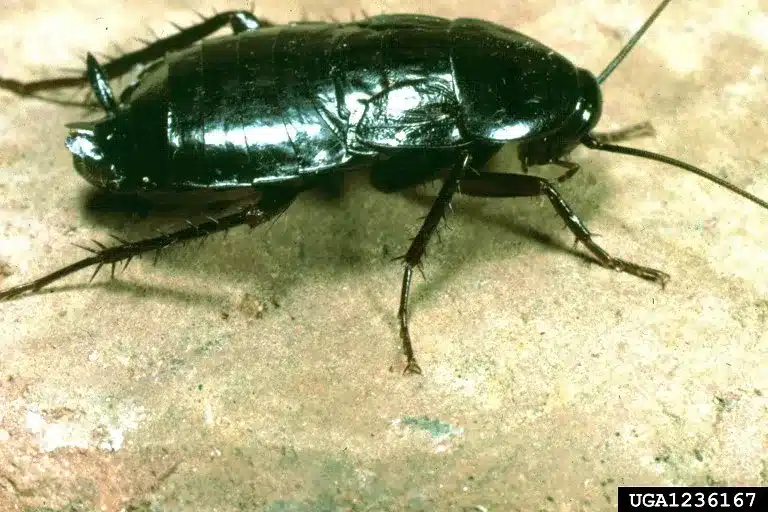
Oriental Cockroach
Blatta orientalis
Dark brown to nearly black, shiny cockroaches sometimes called water bugs. They tolerate cooler conditions than German cockroaches and strongly favor moisture.
- Typical areas: Floor drains, basements, crawl spaces, garages and damp landscaping
- Diet: Decaying plant matter, garbage and organic debris
- Key fact: Indoor activity often points to moisture or drain conditions
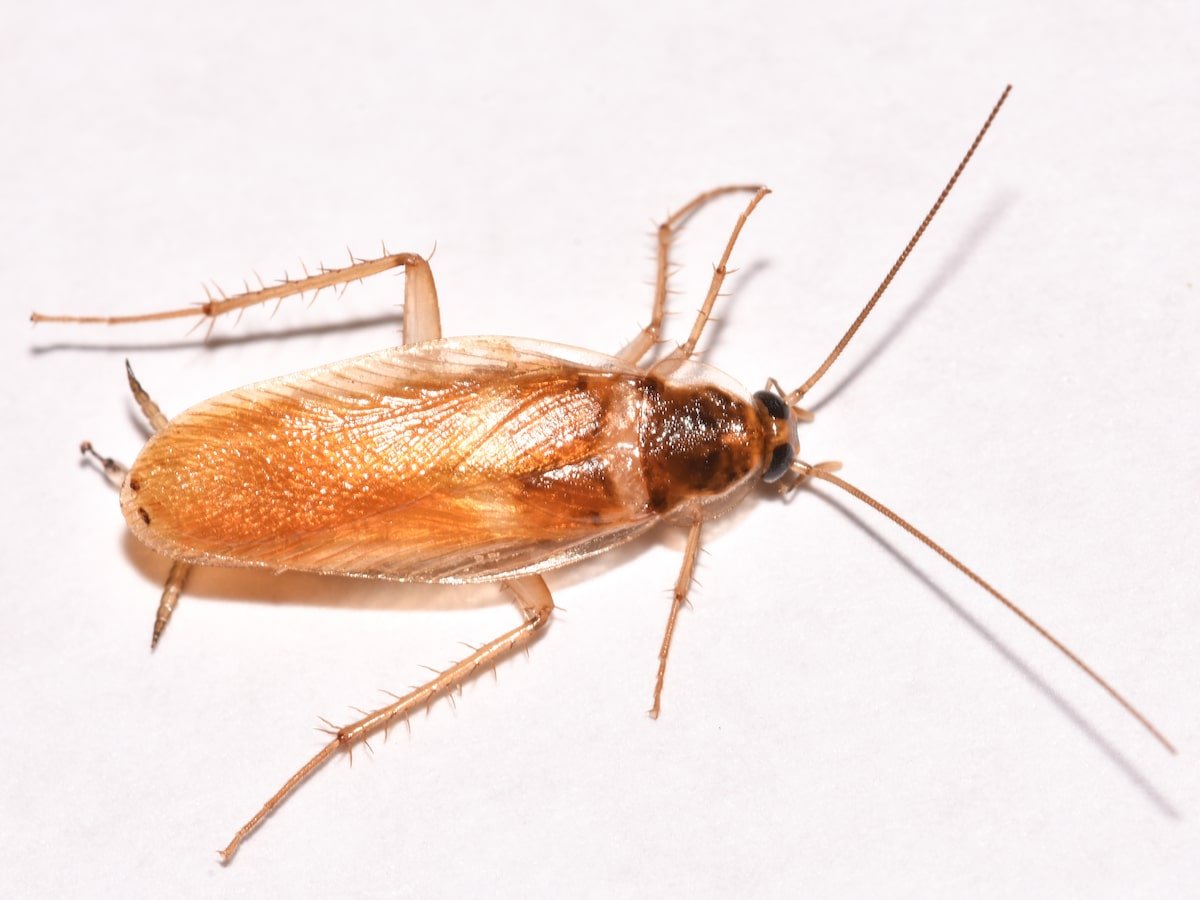
Brown-Banded Cockroach
Supella longipalpa
A small, light-brown species with pale bands across the wings or abdomen. Unlike German cockroaches, they tolerate drier conditions and may spread throughout a structure.
- Typical areas: Upper cabinets, furniture, bedrooms and electronics
- Diet: Food debris, book bindings, wallpaper paste and organic material
- Key fact: Egg cases may be attached to hidden surfaces above floor level
Cockroach Life Cycle
Cockroaches develop through three stages: egg, nymph and adult. Eggs are held inside a protective capsule called an ootheca. Nymphs resemble small wingless adults and molt repeatedly as they grow.
Warmth, food and moisture speed development. German cockroach females carry their egg capsules until shortly before hatching, helping the species reproduce successfully inside buildings.
Where Cockroaches Hide
Most cockroaches are active at night and spend daylight hours pressed into narrow protected spaces. Common harborages include cabinet hinges, appliance motors, wall penetrations, plumbing chases, cardboard, floor drains and clutter.
Because hidden populations can be much larger than visible activity suggests, a few nighttime sightings may still justify a careful inspection.
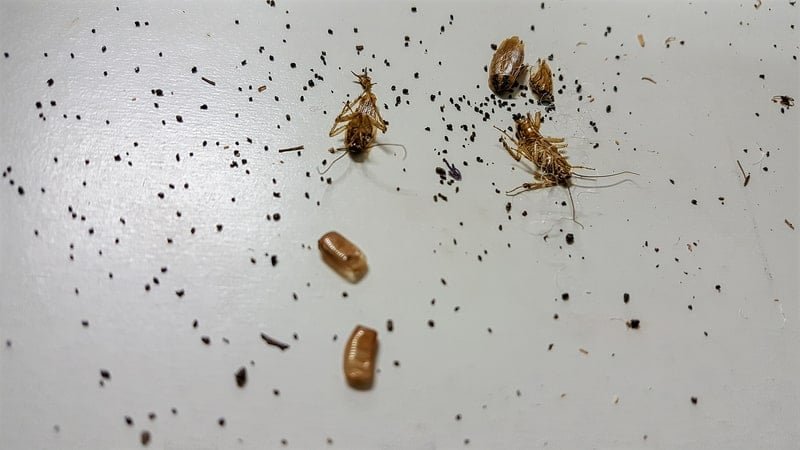
Signs of a Cockroach Infestation
- Live cockroaches, especially after dark
- Small dark droppings resembling pepper or coffee grounds
- Egg capsules, shed skins or dead roaches
- Smear marks in damp travel areas
- A persistent musty or oily odor during heavier activity
Cockroaches can contaminate food-contact surfaces as they travel through unsanitary areas. Their shed skins, droppings and body fragments may also contribute to allergy and asthma symptoms in sensitive individuals.
Cockroach Facts for Illinois Homeowners
- Seeing a cockroach does not automatically reveal the species or source.
- German cockroaches are commonly introduced through boxes, bags, used appliances or movement between connected units.
- American and Oriental cockroaches may enter from utility areas, drains or damp exterior environments.
- Roaches can survive on very small amounts of food residue, grease and organic debris.
- Moisture repair, sanitation and reducing clutter make professional control more effective.
- Foggers and indiscriminate sprays can interfere with baiting or move roaches into new areas.
Frequently Asked Questions
Does seeing one cockroach mean there are more?
Are cockroaches only found in dirty homes?
What is the difference between a cockroach and a water bug?
Finding roaches, droppings or egg cases? See how D&K inspects and treats infestations on our Cockroach Control Services page.