Raccoons of Illinois
Learn how raccoons live, what they eat, where they den, when they raise young, and which health concerns are associated with raccoon activity around homes.
This educational guide is separate from our professional removal service.
Highly intelligent wildlife built for suburban life
Raccoons are common throughout Illinois and adapt exceptionally well to neighborhoods where food, water and sheltered den sites are available.
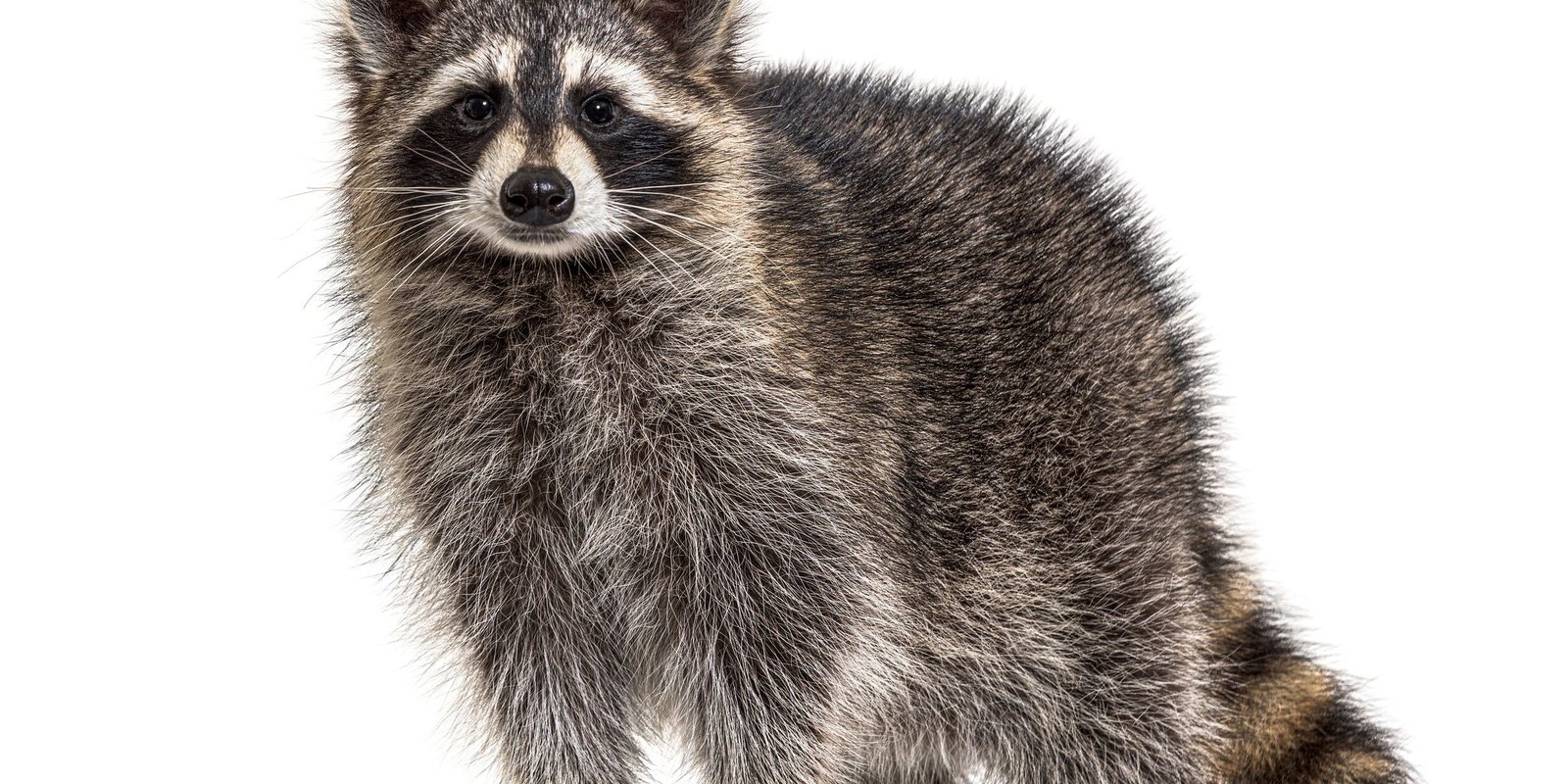
Masked face and ringed tail
The dark facial mask, gray-brown coat and alternating tail rings are the easiest field marks. Front paws have long, sensitive fingers used to investigate food and manipulate objects.
Strong climbers and capable swimmers
Raccoons climb trees, downspouts and rough exterior surfaces. Their ability to use elevated routes helps them reach rooflines, chimneys, soffits and attic openings.
Excellent memory and problem-solving
They quickly learn where reliable food and shelter can be found. An unsecured trash can, pet food bowl or damaged vent can become part of a repeated nightly route.

What raccoons eat and where they spend the day
Raccoons are omnivores and take advantage of whatever is seasonally available. Natural foods include insects, crayfish, frogs, eggs, fruit, nuts and small animals. Around homes they may feed on trash, bird seed, garden produce, pet food and outdoor water sources.
- Rest during daylight in protected dens
- Travel after dusk along fences, creeks and tree lines
- Use attics, chimneys, hollow trees, sheds and spaces beneath decks
- May reuse successful den sites or food routes
- Often create communal bathroom areas called latrines
Diseases and contamination associated with raccoons
Most raccoons avoid people, but bites, scratches, urine, feces and contaminated den materials can create health concerns. Never handle a wild raccoon or clean a heavily contaminated attic without appropriate precautions.
Raccoon roundworm
Baylisascaris procyonis eggs can be shed in raccoon feces. People can become infected by accidentally swallowing microscopic infective eggs from contaminated soil, hands or objects.
Rabies
Raccoons are among the wildlife species associated with rabies in the United States. Any bite, scratch or suspected saliva exposure requires prompt guidance from public-health or medical professionals.
Leptospirosis
Leptospira bacteria can spread through urine from infected animals and contaminate soil or water. Risk is associated with contact involving broken skin or mucous membranes.
Other contamination
Feces, urine, fleas, ticks and nesting debris may expose people or pets to additional pathogens and parasites. A contaminated attic may also retain odor and damaged insulation.
Important: raccoon roundworm and latrine cleanup
CDC guidance explains that roundworm eggs are not visible to the naked eye and that most chemicals do not kill them. The CDC recommends avoiding dust, using protective equipment, carefully removing contaminated material, and using heat on suitable surfaces when cleanup is performed.
Do not dry sweep or vacuum fresh raccoon feces. Children and anyone who may have had hand-to-mouth contact with contaminated material deserve special caution.
Read CDC Raccoon Roundworm Guidance
For a bite, scratch, possible rabies exposure or suspected ingestion of contaminated material, contact a healthcare professional or local health department promptly.
Breeding, kits and seasonal behavior
Seasonal patterns are useful, but raccoon reproduction is not perfectly synchronized. Late litters can occur, which is why young should be checked for whenever an adult female is denning in a structure.
Clues that raccoons are using a structure
- Heavy footsteps, rolling or vocal sounds in an attic
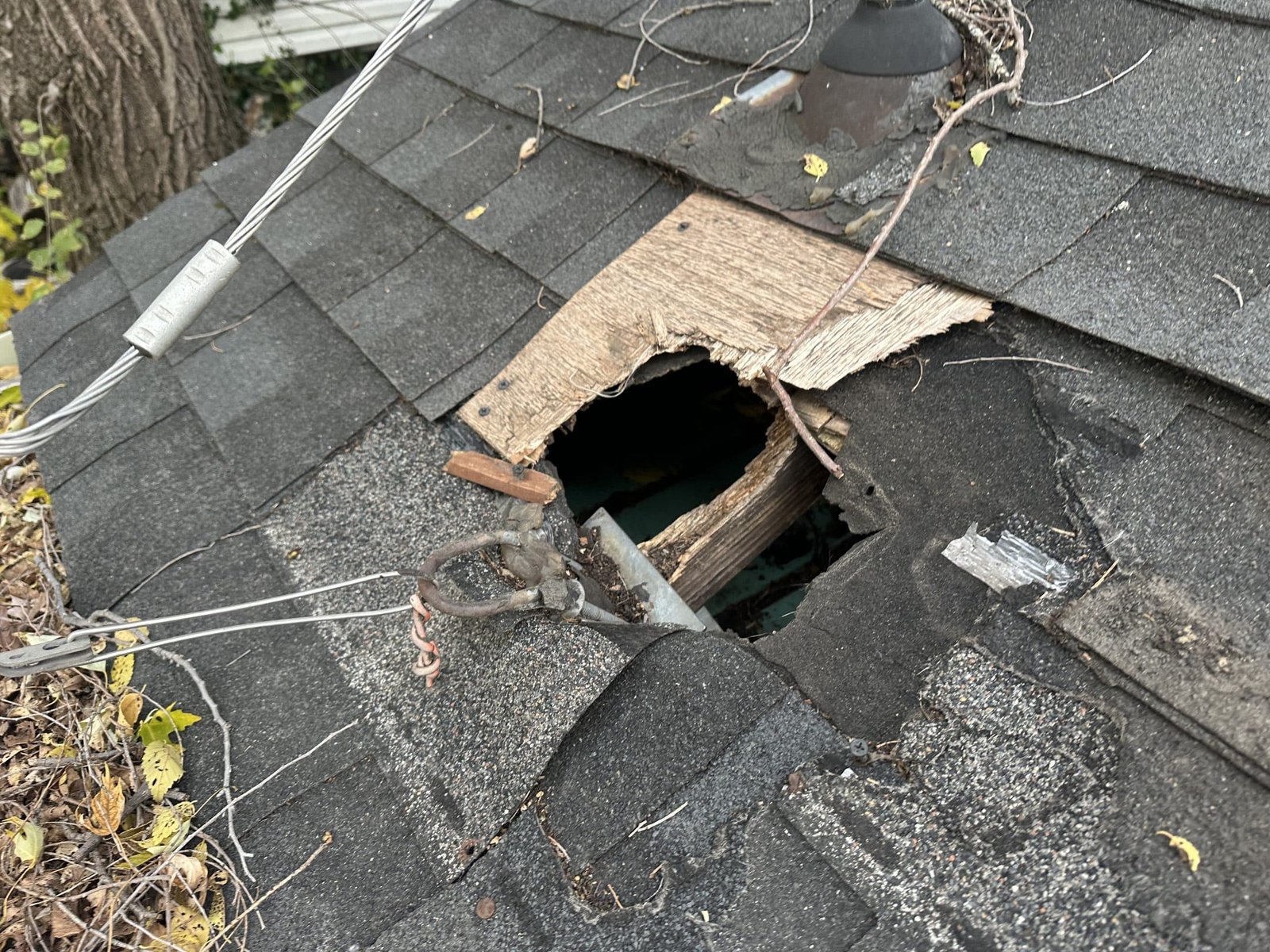
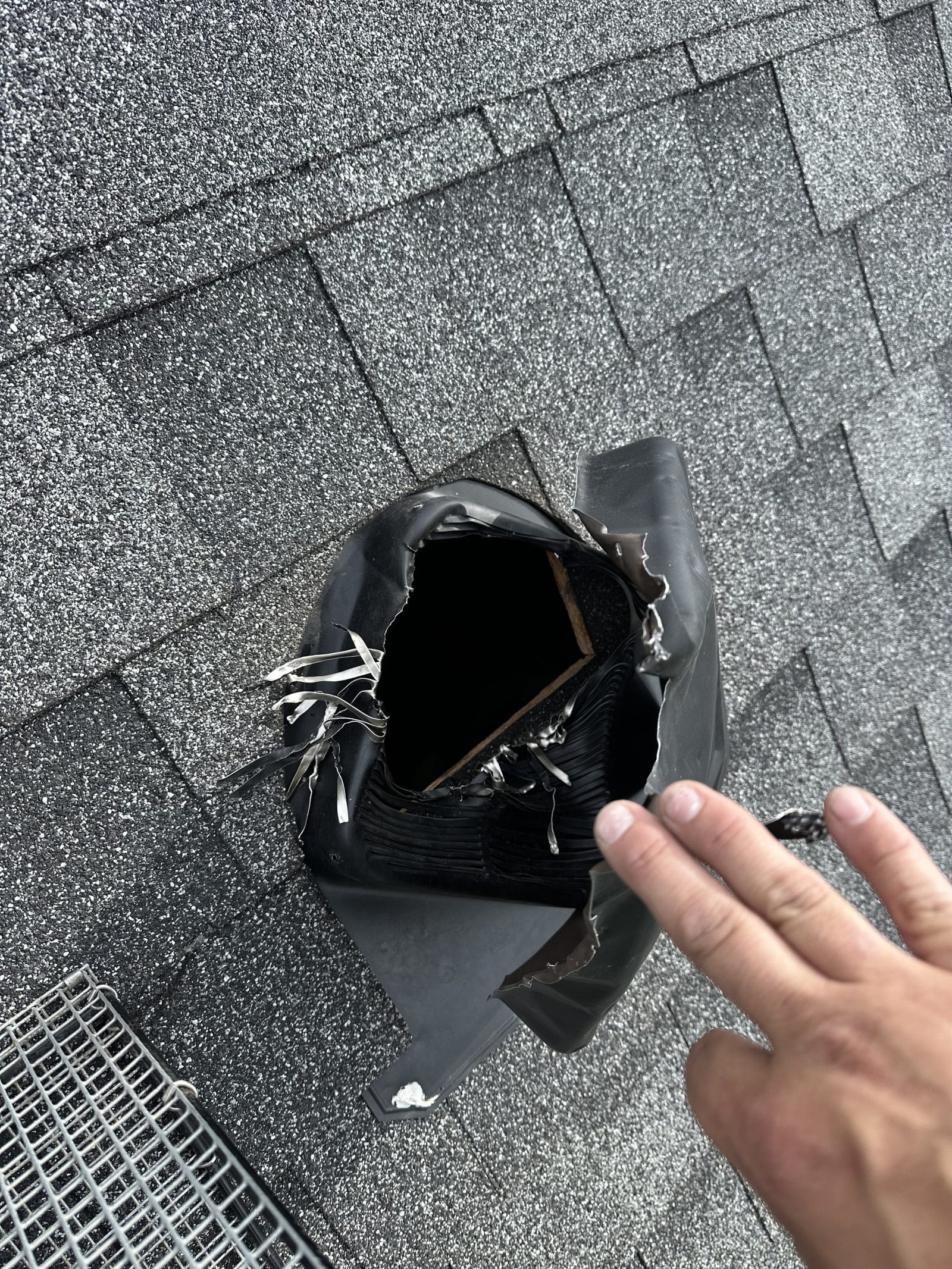
- Torn soffits, bent vents or pulled-back roofing
- Tracks resembling small handprints
- Dark tubular droppings in repeated locations
- Disturbed trash, bird feeders or garden areas
- Insulation damage, odor or ceiling stains
Daytime sightings do not automatically mean rabies. A nursing female may forage during daylight, but abnormal behavior, loss of coordination, unexplained aggression or paralysis should be reported to local animal-control or public-health authorities.
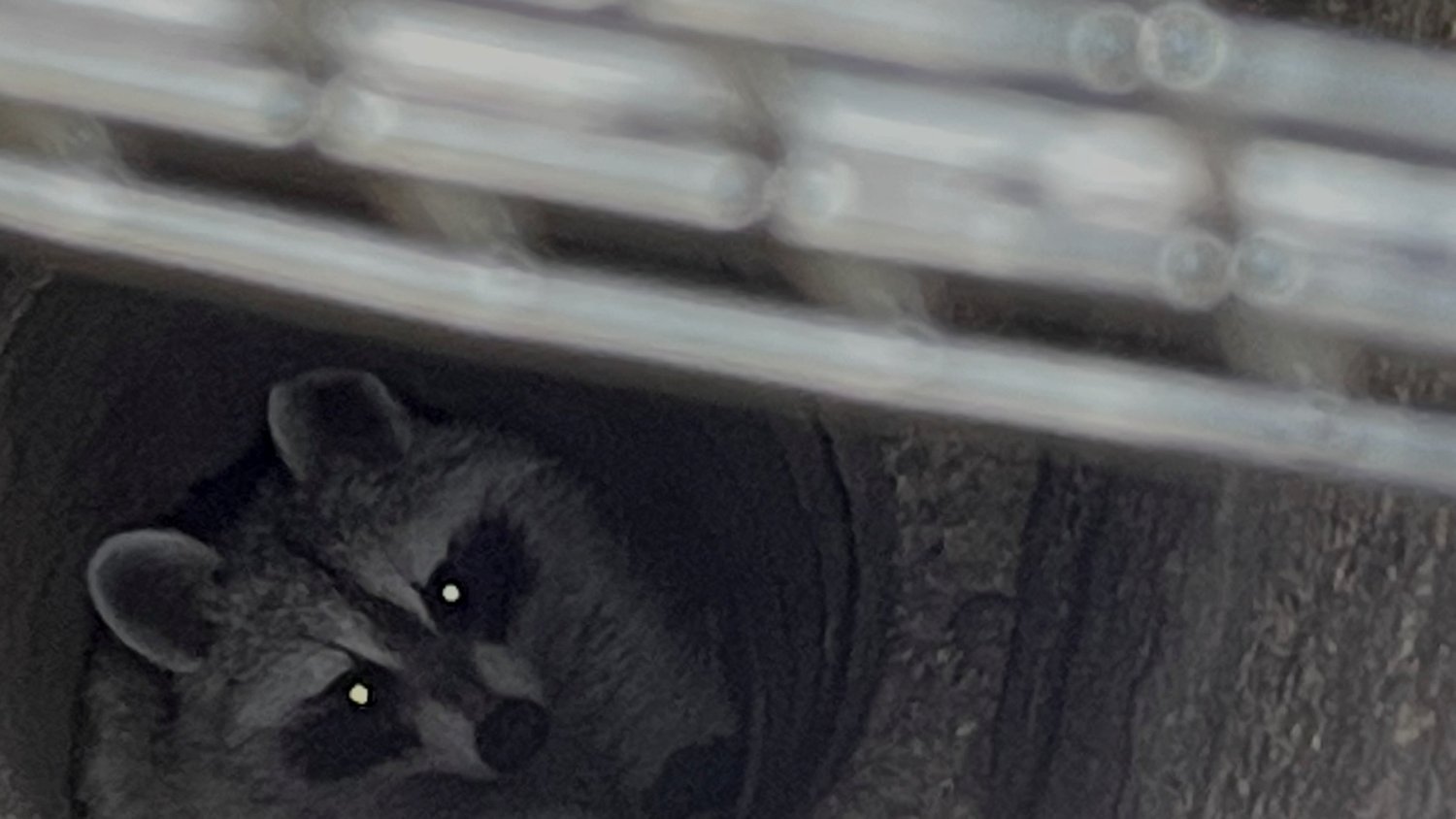
Reduce food, water and den opportunities
- Use tightly secured trash containers
- Bring pet food indoors and clean outdoor feeding areas
- Remove spilled bird seed and consider seasonal feeder use
- Trim branches that create easy roof access
- Repair damaged vents, soffits and chimney caps
- Do not seal an active den until adults and young are accounted for
Why exclusion must be timed carefully
A raccoon may be using an attic as a maternity den. Closing an opening without checking for dependent kits can trap young inside and cause the mother to damage the structure while trying to return.
Professional inspection helps distinguish an inactive opening from an occupied den.
Learn about D&K’s humane raccoon removal process
Our separate service page explains inspection, kit extraction, on-site family reunion, exclusion repairs and cleanup options.