Illinois Spider Identification Guide
Spiders of Illinois
Illinois is home to hundreds of spider species, from familiar cellar spiders and wolf spiders to colorful garden orb-weavers. This field guide explains their appearance, habits, diet, preferred habitat, and potential risks.
Understanding Spiders in Illinois
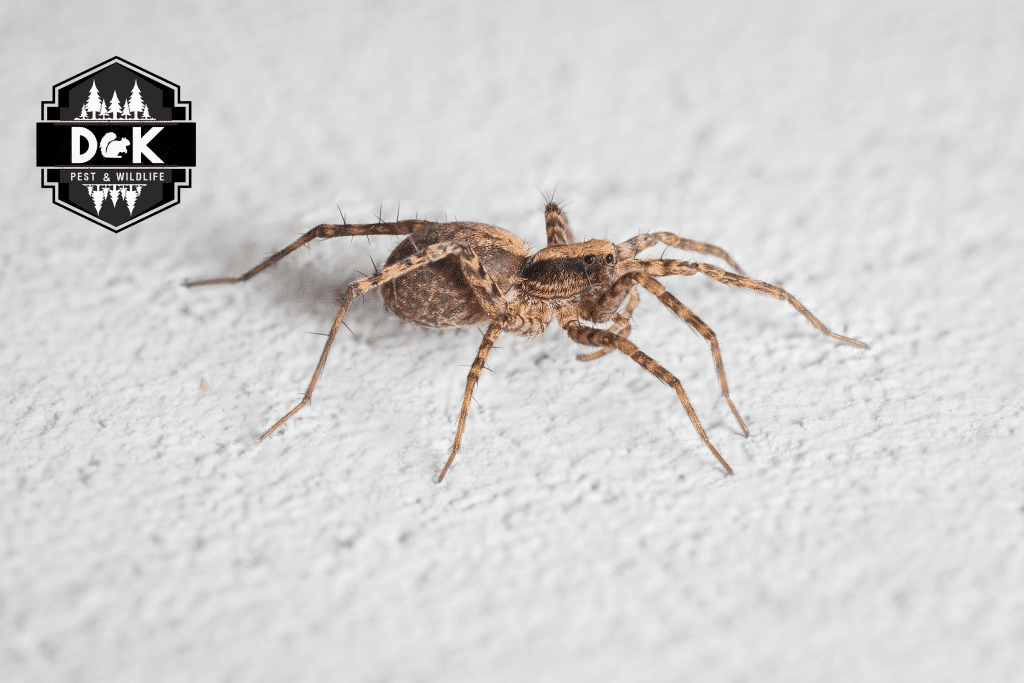
More than 500 spider species have been documented in Illinois. The vast majority are harmless to people and beneficial because they feed on flies, mosquitoes, moths, beetles, ants, and other arthropods.
Some spiders build webs and wait for prey, while others hunt on foot. Indoors, they favor quiet areas such as basements, garages, crawlspaces, ceiling corners, window frames, and stored items. Seeing spiders often means that food, shelter, moisture, or seasonal conditions are drawing them to the property.
Spider Basics: Habits, Diet & Risk
What Spiders Eat
Spiders are predators. Depending on the species, they eat flies, mosquitoes, moths, beetles, crickets, ants, cockroaches, woodlice, and even other spiders. Their feeding helps limit many nuisance insects.
Web Builders vs. Hunters
Orb-weavers and cobweb spiders trap prey in silk. Wolf spiders, jumping spiders, and woodlouse spiders hunt or ambush prey without using a capture web. Most still use silk for shelter, egg sacs, or safety lines.
Where Spiders Live
Outdoors, spiders live in gardens, leaf litter, mulch, woodpiles, under logs, and around structures. Indoors, they use basements, garages, crawlspaces, storage areas, windows, and quiet ceiling corners.
Are Illinois Spiders Dangerous?
Most Illinois spiders pose little risk to people and prefer escape over biting. Brown recluse and widow spiders are medically important, but encounters and confirmed bites are uncommon—especially with brown recluse in Northern Illinois.
Illinois Field Guide
Common Spider Species in Illinois
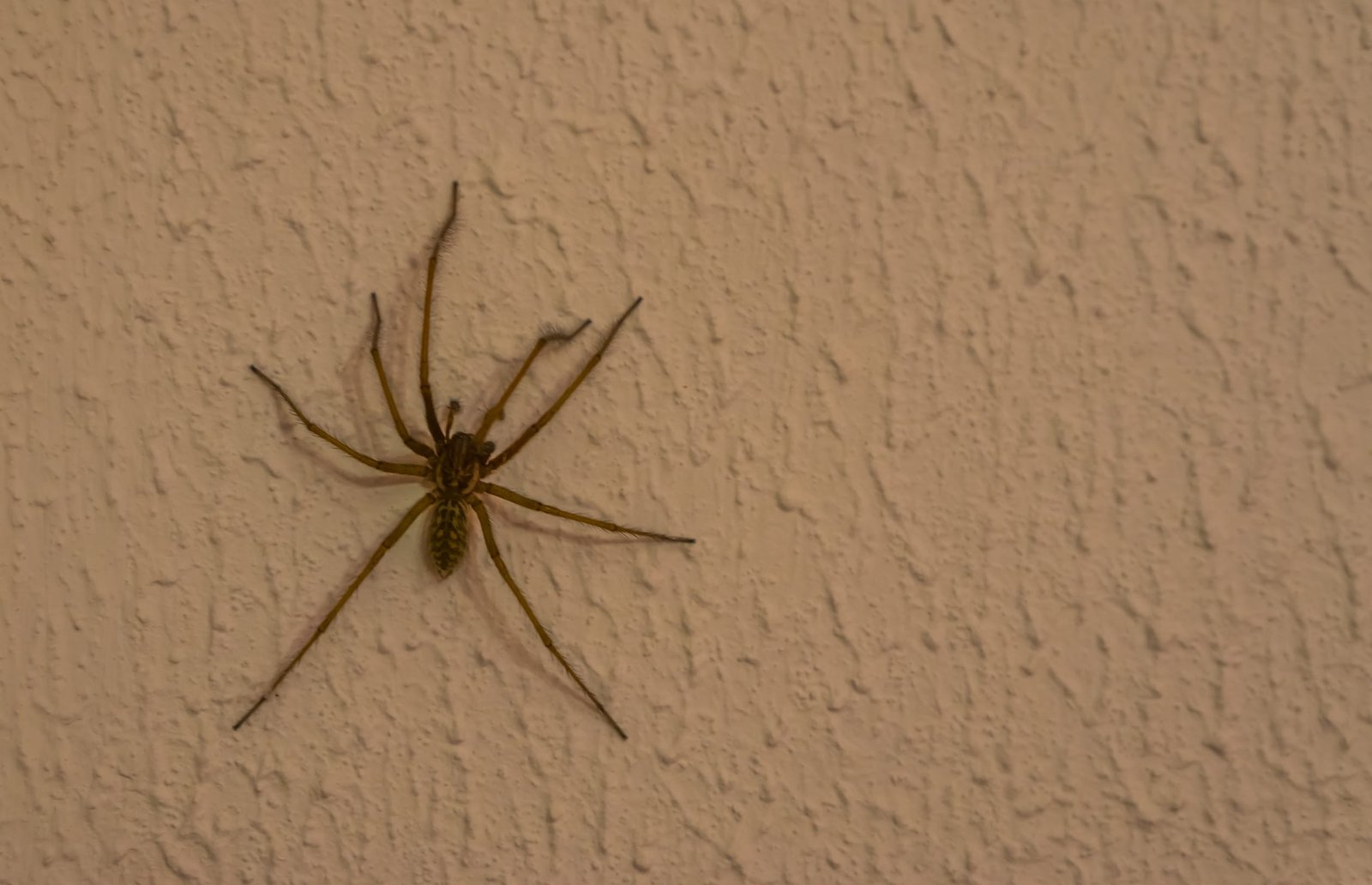
Common House Spider
Habitat: Ceiling corners, windows, basements, garages, and sheds.
Habits and diet: Builds irregular cobwebs and feeds on flies, mosquitoes, ants, and other small arthropods.
Risk: Low. This familiar indoor spider is not considered medically important.
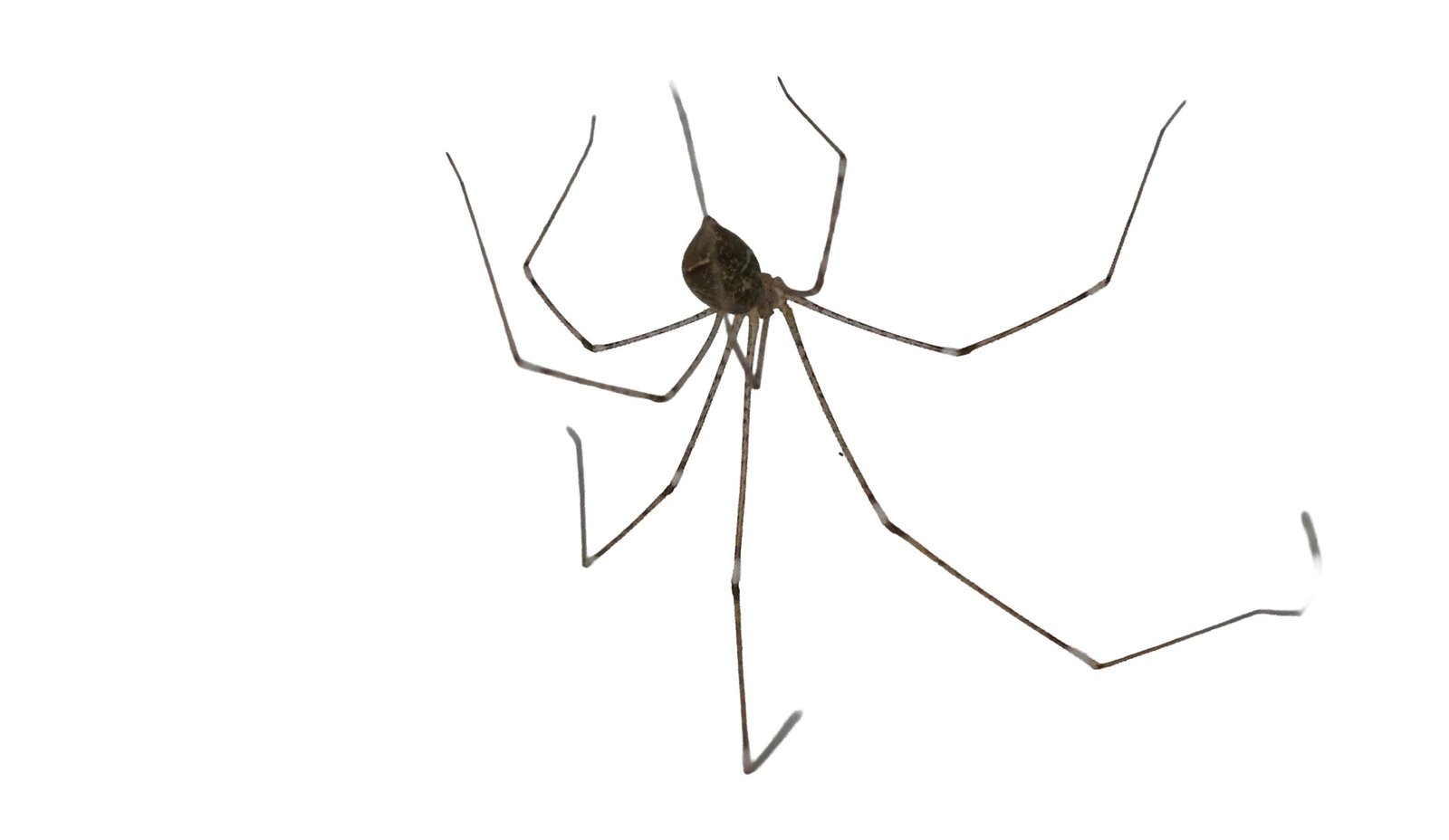
Cellar Spider
Habitat: Damp or quiet basements, cellars, garages, warehouses, and ceiling corners.
Habits and diet: Hangs upside down in a loose web and may vibrate rapidly when disturbed. Eats small insects and other spiders.
Risk: Harmless to people; accumulated webs are usually the main nuisance.
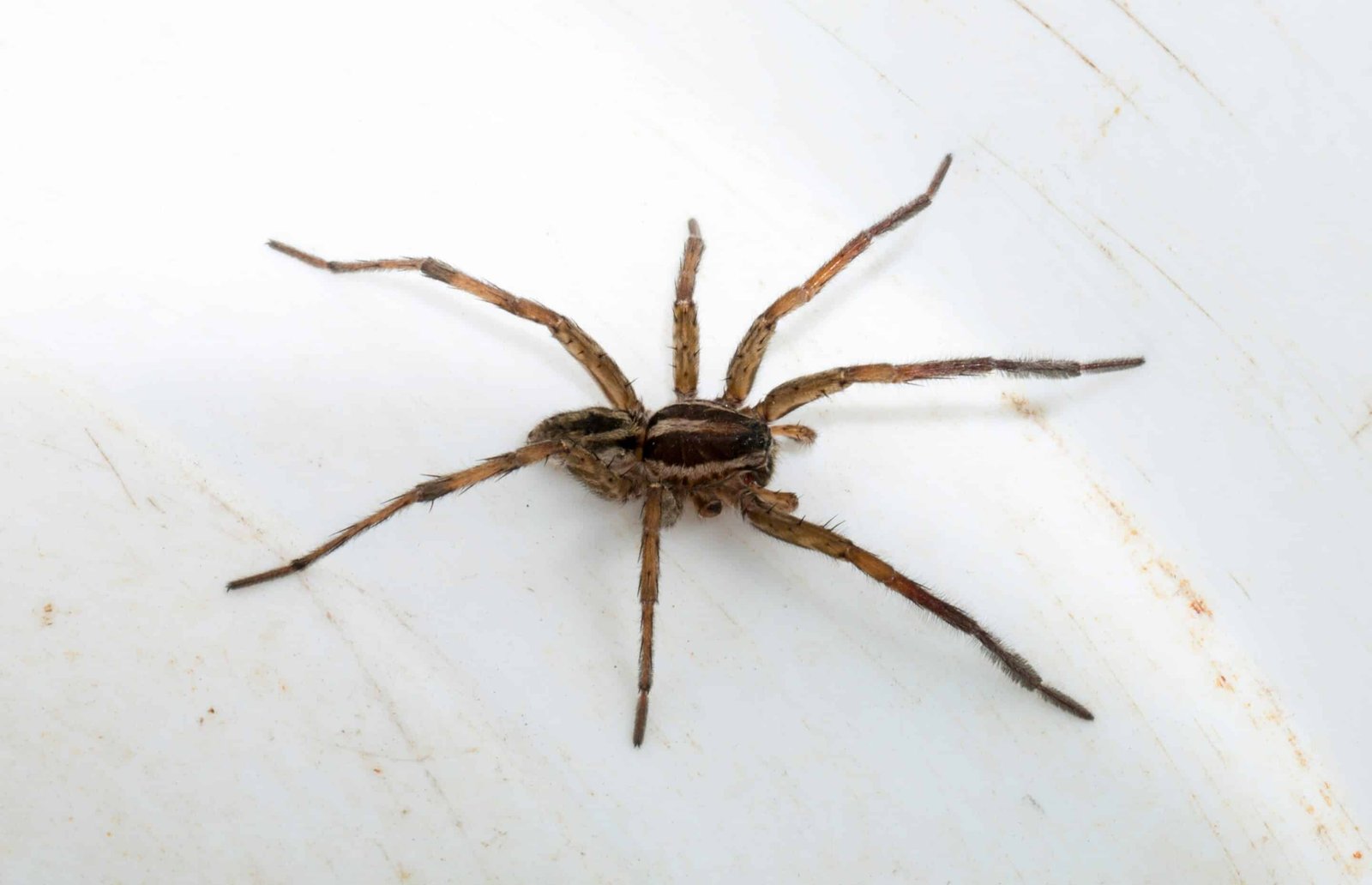
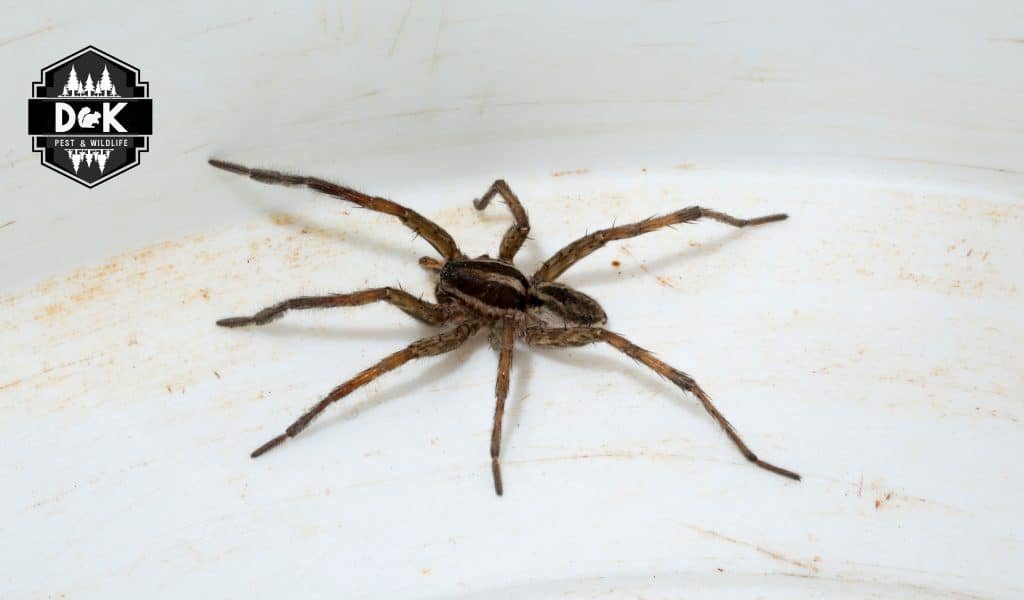
Wolf Spider
Habitat: Lawns, leaf litter, gardens, garages, basements, and ground-level rooms.
Habits and diet: A fast, mostly nocturnal hunter that does not use a web to catch prey. Females carry their egg sacs and later carry spiderlings on their backs.
Risk: Bites are uncommon and wolf spiders are not considered dangerous to most people.
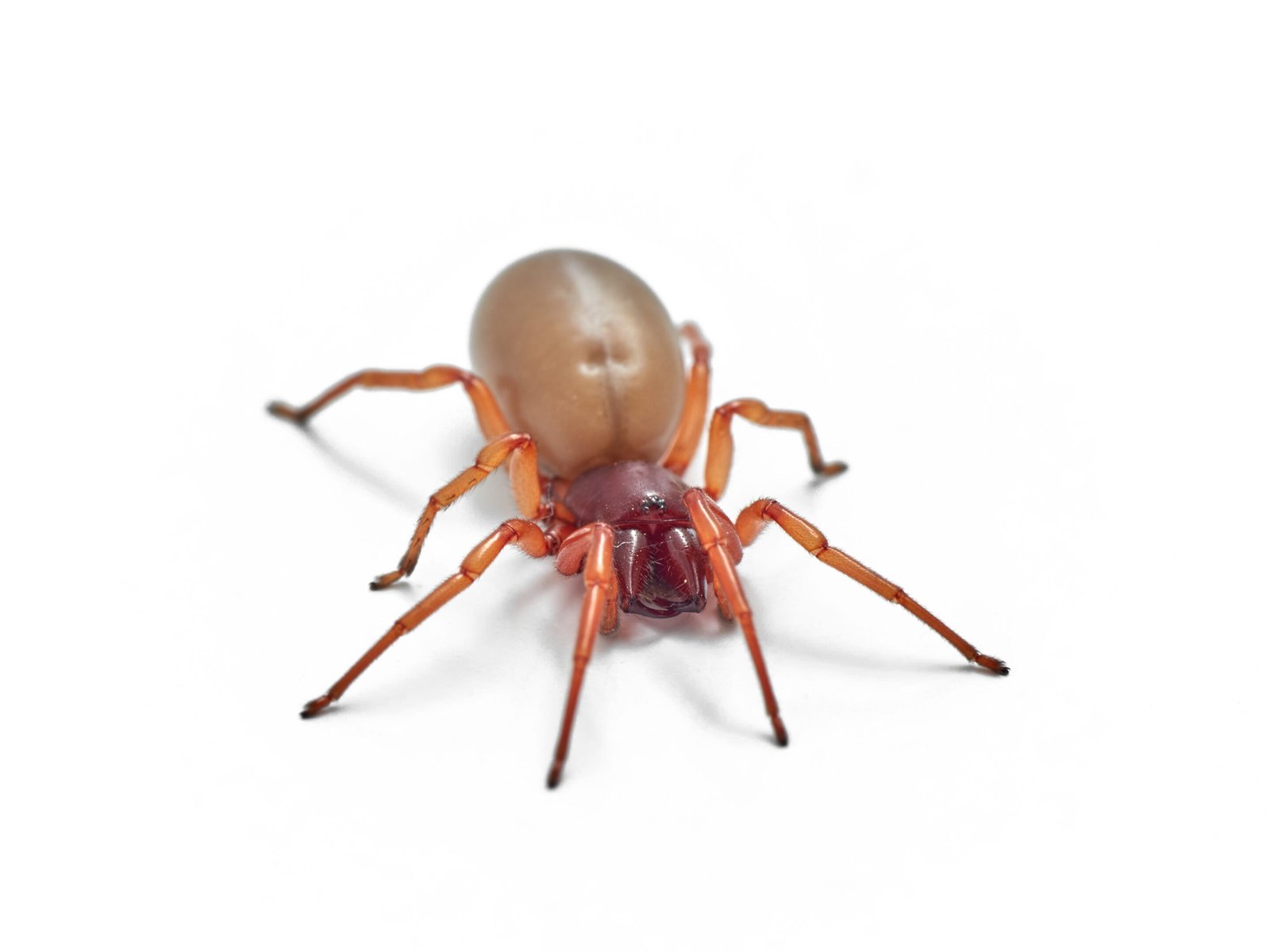
Woodlouse Spider
Identification: Reddish-orange head and legs, pale oval abdomen, and prominent jaws.
Habitat and diet: Hides under logs, rocks, mulch, and other damp cover where it hunts woodlice. It may wander into basements.
Risk: A defensive bite can be painful, but the species is not considered medically important.
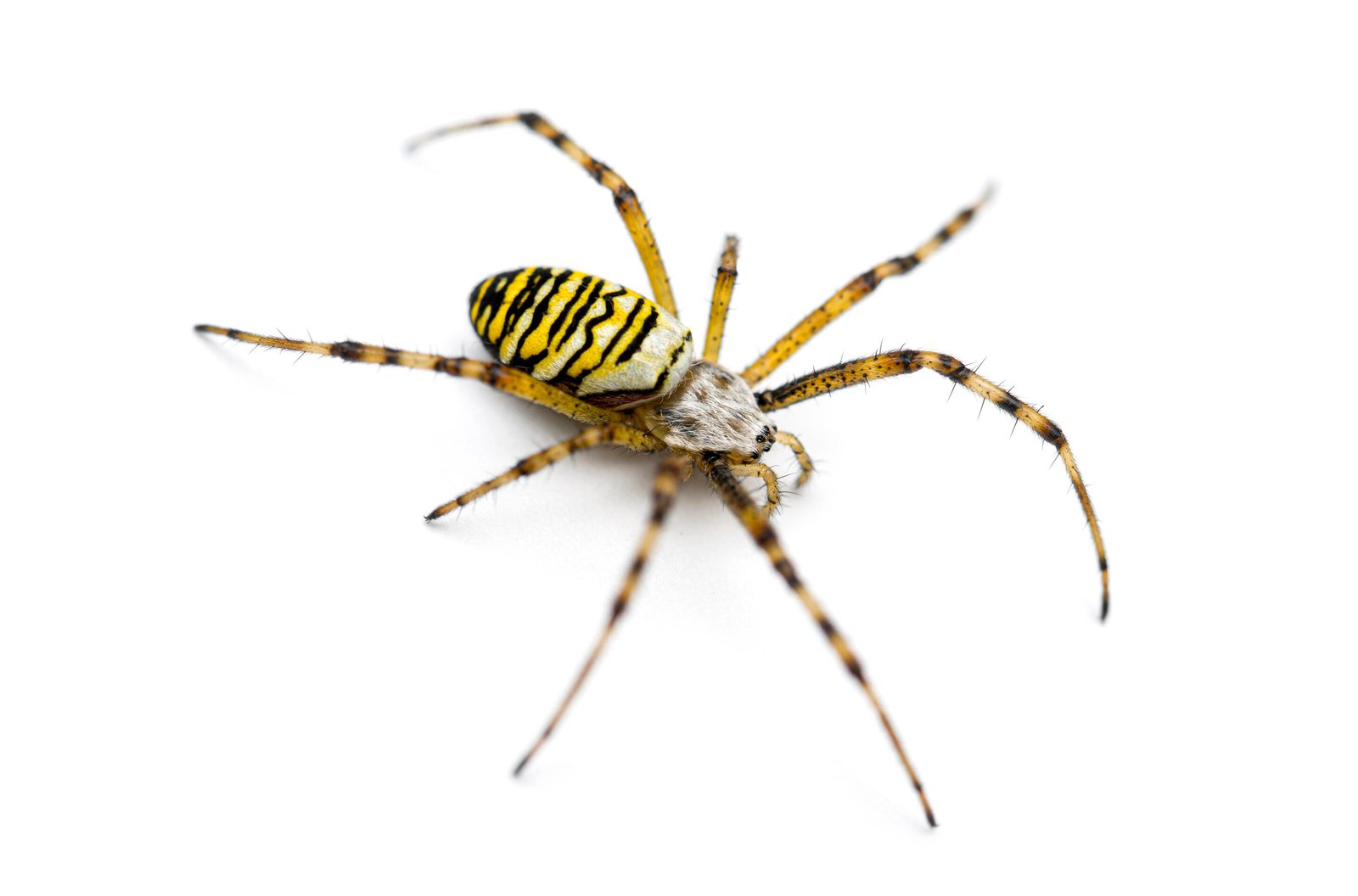
Black-and-Yellow Garden Spider
Identification: A large, striking black-and-yellow orb-weaver often seen in late summer.
Habitat and diet: Builds a large circular web in sunny gardens and fields, frequently with a zigzag band of silk. Captures flies, moths, grasshoppers, and other insects.
Risk: Beneficial and low-risk; it usually stays in its web outdoors.
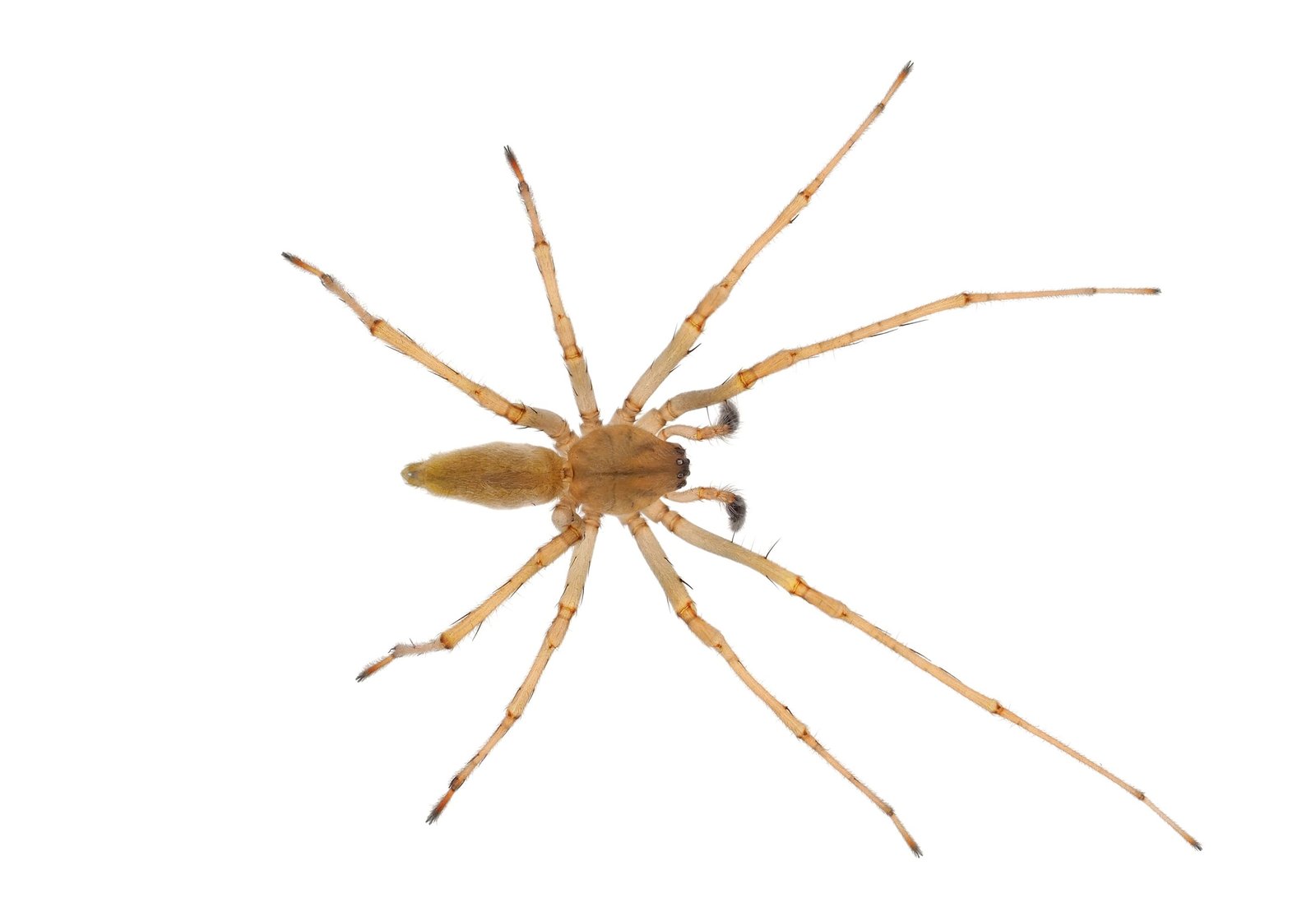
Yellow Sac Spider
Identification: Small, pale yellow to tan body with relatively long front legs.
Habitat and diet: A nocturnal hunter that rests inside a small silk sac near ceilings, walls, windows, or vegetation. Feeds on small insects.
Risk: A bite may cause localized pain, redness, or swelling, but serious effects are uncommon.
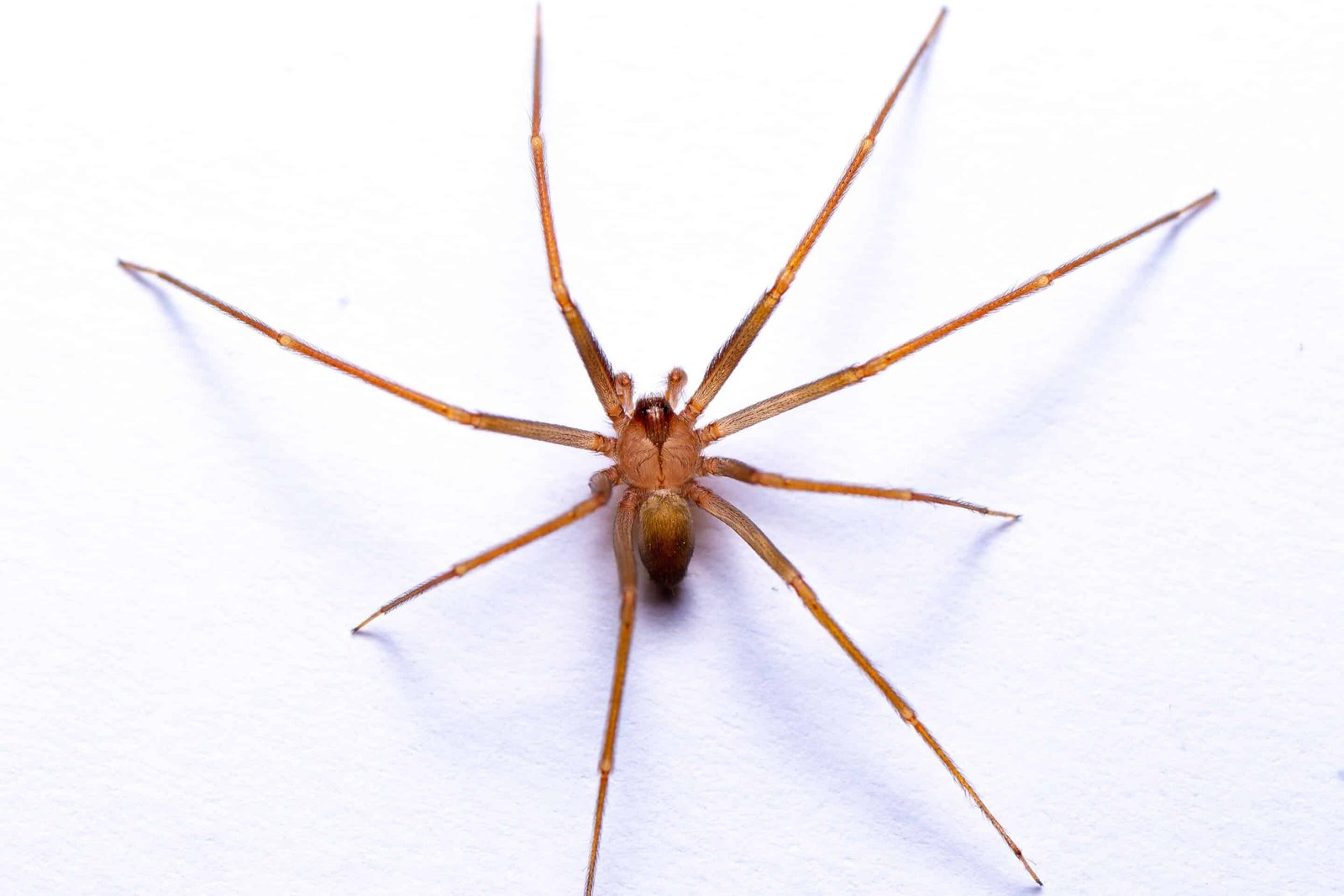
Brown Recluse
Illinois range: Established mainly in southern Illinois. Confirmed brown recluse are extremely uncommon in Northern and northeastern Illinois, although an occasional spider can hitchhike in boxes or furniture.
Identification and habits: Uniformly brown, with six eyes arranged in three pairs and an often-visible violin-shaped marking. A nocturnal hunter that hides in undisturbed storage, wall voids, and cardboard.
Risk: Medically important, but bites are uncommon and many suspected “recluse bites” are caused by other conditions.
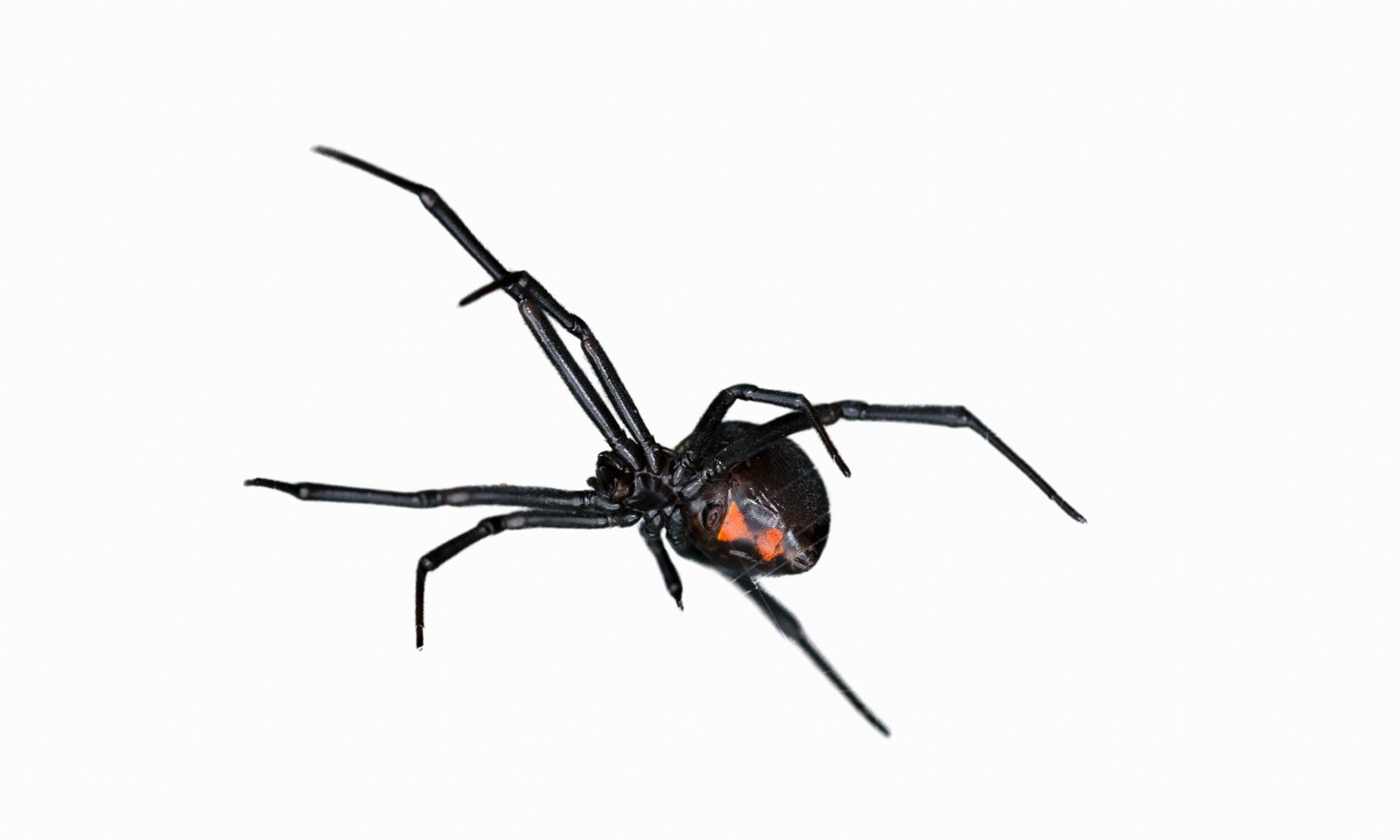
Northern Black Widow
Identification: Adult females are glossy black with red markings beneath the abdomen; the northern widow’s hourglass is often divided into two spots.
Habitat and habits: Makes an irregular web in sheltered places such as woodpiles, rock piles, foundations, crawlspaces, and outdoor debris.
Risk: Medically important. Bites are uncommon and usually occur when a spider is touched or trapped. Avoid handling a suspected widow.
Brown Recluse & Black Widow: What to Know
Only a small number of Illinois spiders are medically important. Brown recluse are associated primarily with southern Illinois and should be considered extremely rare in Northern Illinois. Northern black widows can occur in Illinois but usually remain in sheltered, out-of-the-way webs.
If you suspect a medically important spider, avoid handling it. A clear photograph or safely contained specimen can assist identification. Seek medical guidance for severe pain, spreading symptoms, muscle cramping, difficulty breathing, or other concerning reactions.




Frequently Asked Questions
Are brown recluse spiders common in Northern Illinois?
No. Brown recluse are established mainly in southern Illinois and are extremely uncommon in Northern and northeastern Illinois. An occasional specimen can be transported in boxes or furniture, so confirmed identification matters.
Which Illinois spiders are medically important?
Brown recluse and widow spiders are the primary medically important groups in Illinois. Most household and garden spiders are harmless and beneficial predators of insects.
What should I do if I cannot identify a spider?
Avoid handling it. Take a clear photograph from a safe distance or contain the specimen only if this can be done safely. Identification is more reliable than guessing from color alone.
Spider Resources & Professional Help
Need treatment rather than identification? Visit our professional spider control service or request an inspection.
For additional Illinois information, see the Illinois Department of Public Health spider guide and University of Illinois Extension.