
MOUSE CONTROL • EXCLUSION • CLEANUP
Mouse Control & Rodent Exclusion Services
Get a complete solution for mouse activity—not just a few traps. We inspect the home, identify entry points, rodent-proof vulnerable areas, trap and remove active mice, and provide practical cleanup and sanitation guidance.
Signs of Mice In Your Home
If you are noticing signs of mice, there is a good chance they have already moved into your home. Mice are stealthy, fast-breeding pests, and even minor activity can quickly turn into a full infestation. Look for the following warning signs:
-
Droppings that look like small black grains of rice, often found in cabinets, basements, or drawers
-
Scratching or scurrying noises coming from walls, ceilings, or vents—especially at night
-
Gnaw marks on food packaging, wires, insulation, cardboard, and wood
-
Nests made from shredded paper, insulation, fabric, or debris
-
Grease or rub marks along baseboards or wall edges from repeated travel paths
-
Strong, musky urine odor signaling heavy or long-term activity
-
Increased pet interest around certain areas, such as behind appliances or in closets
-
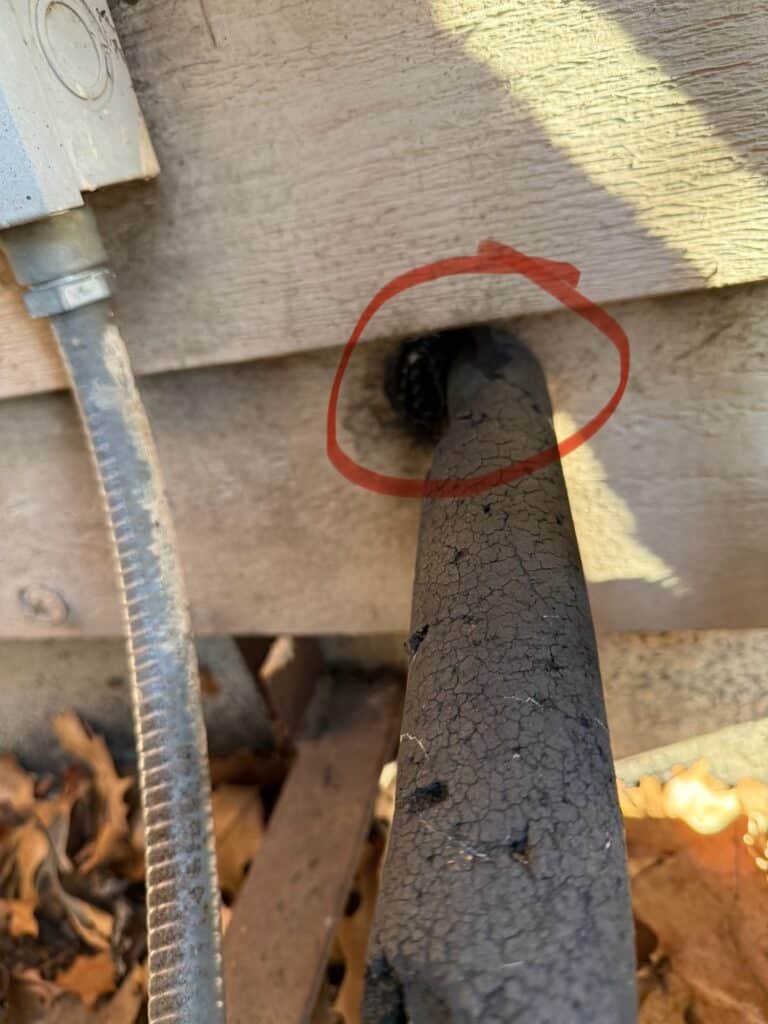
Chewed openings around siding, foundation gaps, utility lines, or ductwork
Health Risks of Mice Infestations
Why Mouse Activity Should Be Addressed Promptly
House mice and deer mice can transmit dangerous bacteria and viruses through droppings, urine, nesting materials, and saliva.
Common risks include:
➤ Hantavirus Pulmonary Syndrome (HPS)
Most commonly associated with deer mice. Breathing in particles from contaminated droppings is the most common transmission path.
➤ Salmonella
Mice contaminate food and food-prep surfaces, spreading salmonella and causing severe gastrointestinal illness.
➤ Leptospirosis
Spread through urine, this disease can cause kidney damage and severe flu-like symptoms.
➤ Parasites
Mice commonly carry fleas, mites, and ticks into homes, increasing secondary pest problems.
➤ Structural & Fire Hazards
Mice chew electrical wiring, creating a significant fire risk in attics, basements, and wall voids.
Because mice breed quickly—up to 6–10 litters per year—delaying treatment makes infestations harder and more costly to control. That’s why it’s important to choose a rodent-control company that can provide long-term solutions and stop the problem for good.
Step 1
Comprehensive Inspection
Our team conducts a thorough inspection to identify entry points, nesting sites, and signs of mouse activity, ensuring no detail is overlooked.
Step 2
Targeted Trapping
We strategically place traps in high-traffic areas to effectively capture mice, minimizing their presence in your home.
Step 3
Sanitation Recommendations
We provide guidance on cleaning and disinfecting affected areas to eliminate contamination and prevent health risks.
Step 4
Exclusion Solutions
Our experts seal entry points with durable materials to prevent future infestations, ensuring long-term protection for your home.
Rodent-Proofing Is What Stops the Cycle
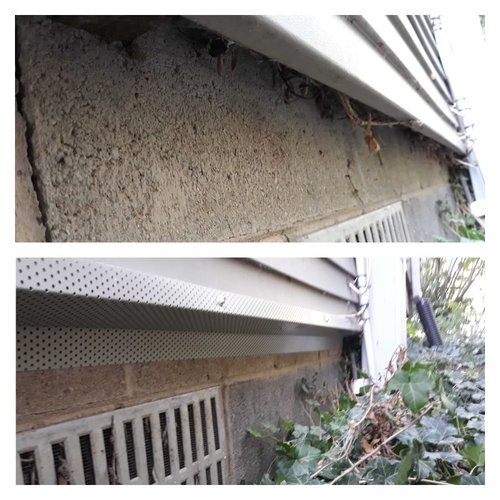
Trapping removes mice that are present. Exclusion helps keep the next group from entering. Our technicians inspect the building envelope and recommend repairs based on the openings we find.
- Foundation and utility-line gaps
- Vents, soffit returns, and roof intersections
- Siding corners and trim transitions
- Garage-door and exterior-door gaps
- Chewed or failed previous repairs
If you completed a qualifying rodent or wildlife exclusion with D&K, ask how an ongoing pest-control plan can help keep your exclusion warranty active.
Professional Mouse Control Across Chicago's Western Suburbs
Based in Woodridge, D&K provides mouse inspections, trapping, sanitation recommendations, entry-point repairs, and rodent exclusion for homes and businesses across Chicago’s western suburbs.
Learn more about our professional pest-control services, explore rodent exclusion and entry-point repairs, view service information for Naperville and Aurora, or request a mouse inspection.
For additional public-health guidance, see the CDC rodent cleanup guidance and the Illinois Department of Public Health house-mouse guide.
Mouse Control FAQs
How do mice get into a house?
What are the most common signs of a mouse infestation?
Do you seal mouse entry points?
How much does professional mouse control cost?
Are mouse droppings dangerous?
Do you provide mouse control for businesses?
Take Control of Mouse Activity Today
Schedule a professional mouse inspection for a practical plan to inspect, rodent-proof, trap and remove, then clean and sanitize affected areas.