Opossum Removal Services
Professional inspection, humane opossum removal and practical exclusion for animals beneath decks, inside garages, in crawl spaces and around homes across Chicago’s western suburbs.
Find out whether it is visiting—or living there
An opossum crossing the yard at night may simply be searching for food. Repeated activity beneath a deck, inside a garage or around one opening can indicate a den site or dependable food source.
D&K inspects tracks, droppings, rub marks, damaged vents, open foundation areas and the space beneath structures. We also look for pet food, bird seed, fallen fruit, garbage and other conditions that may keep attracting wildlife.
- Decks, porches, stoops and sheds
- Crawl spaces and foundation openings
- Garages, window wells and stairwells
- Accessible garbage, pet food and bird feeders
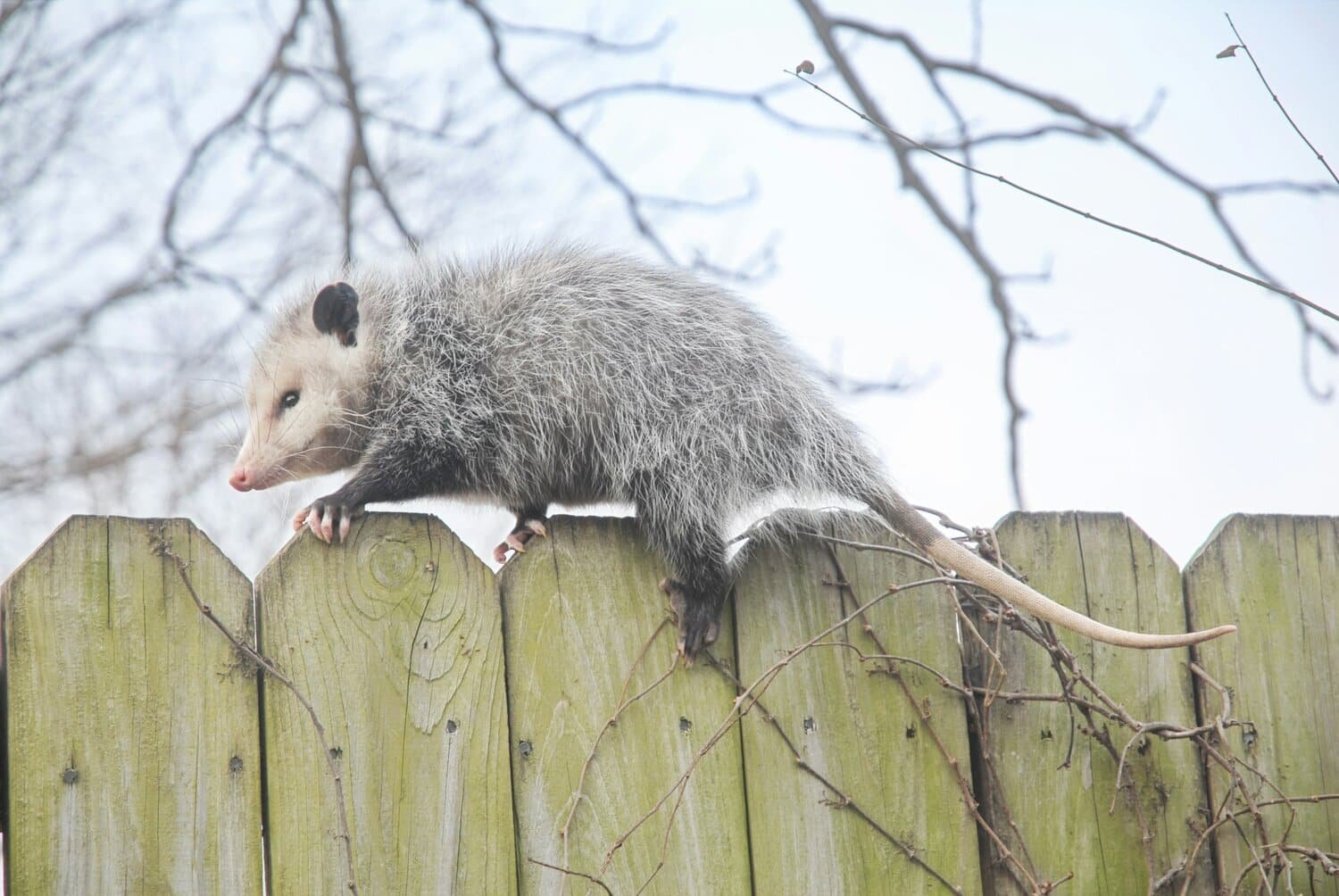
Inspection, humane removal, exclusion and follow-through
Detailed inspection
We determine where the animal is traveling, feeding or denning and identify every practical access point.
Young-animal check
Females carry young in a pouch and later on their back. We account for the possibility of dependent young before closing an active site.
Humane removal
We choose a site-appropriate removal method designed to limit stress and avoid leaving an animal trapped inside a structure.
Exclusion repairs
After confirming the area is clear, we close vulnerable openings and recommend changes that reduce repeat activity.
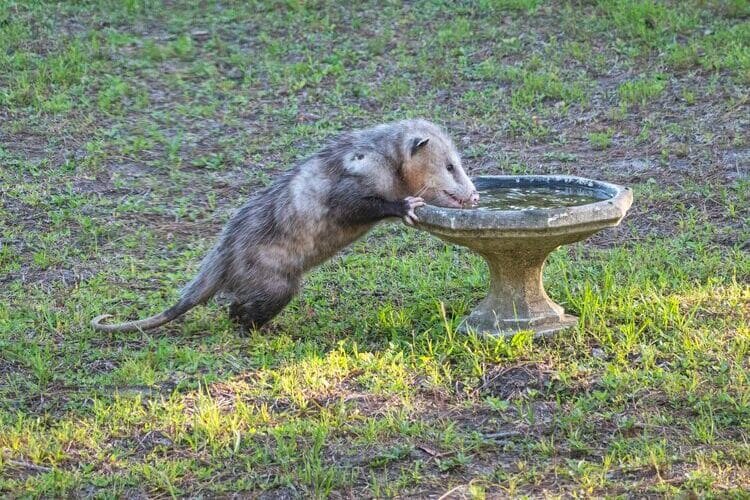
Removal alone may not stop the next opossum
Opossums usually take advantage of existing shelter instead of creating major structural openings themselves. If a deck edge, crawl-space vent, garage gap or foundation opening remains accessible, another animal may use the same protected space.
Our recommendations can include:
- Closing openings beneath decks, porches and additions
- Repairing vents, access panels and foundation gaps
- Adding wildlife-resistant barriers where appropriate
- Securing garbage and removing outdoor food sources
- Trimming heavy cover beside active den areas
We do not seal an active opening until the animal—and any dependent young—are accounted for.
A calmer, safer plan for an often-misunderstood animal
Correct identification
Noises, tracks and droppings can be confused with raccoons, skunks and other wildlife. Inspection helps match the solution to the animal.
Family awareness
A female may have tiny young in her pouch or older young nearby. We check before repairs so a family is not separated or sealed in.
Repair the access
We address the opening and nearby vulnerabilities instead of treating one captured animal as the entire problem.
Droppings, nesting material and damaged areas
Once the animal is gone, the site may contain droppings, nesting debris, odor or contaminated insulation. We identify affected areas and explain cleanup, sanitation and repair options appropriate for the location.
Never corner or handle a wild opossum. Hissing, drooling and showing teeth are defensive behaviors, and “playing possum” is an involuntary response—not proof that the animal is dead.
Common homeowner questions
What should I do if an opossum is under my deck?
Keep people and pets away, remove accessible food and schedule an inspection. Do not block the opening until the site has been checked for the adult and possible young.
Will an opossum leave on its own?
Some are temporary visitors, but a protected den or steady food source can keep an animal returning. An inspection helps determine whether monitoring, removal or exclusion is appropriate.
Are opossums aggressive?
They generally prefer escape. When cornered they may hiss, show their teeth or become immobile. Give the animal space and do not attempt to pick it up.
Do you check for baby opossums?
Yes. Females raise young in a pouch and later carry them on their back. We account for young before completing removal or sealing an occupied area.
Can you keep opossums from returning?
Closing accessible den openings and correcting food attractants greatly reduces the chance of repeat activity, although no property can be made completely wildlife-proof.
For identification, behavior, diet and health information, visit our Opossums of Illinois library page.
Protect the home with a complete wildlife solution
D&K combines humane opossum removal, careful checks for young, exclusion repairs and practical prevention recommendations throughout Chicago’s western suburbs.