
Raccoon Removal That Protects the Home—and the Family
D&K provides inspection-led raccoon removal, kit extraction, humane on-site release methods, exclusion repairs, and cleanup options for homes across Chicago’s western suburbs and DeKalb County.
We inspect, remove, reunite, repair and help prevent a return
Raccoons in an attic, chimney, soffit or crawl space are rarely just a trapping problem. A complete solution requires finding the active entry, determining whether young are present, removing the animals responsibly, and repairing the opening after the structure is clear.
When D&K completes an approved raccoon exclusion, the removal work is included with that exclusion service. That keeps the removal and repair plan coordinated instead of leaving a homeowner with an open entry point after an animal is gone.
- Identify active entry points and travel routes
- Check denning areas for adult raccoons and dependent kits
- Use humane removal and on-site release strategies
- Complete durable exclusion repairs when approved
- Offer attic cleanup and sanitation when contamination is present
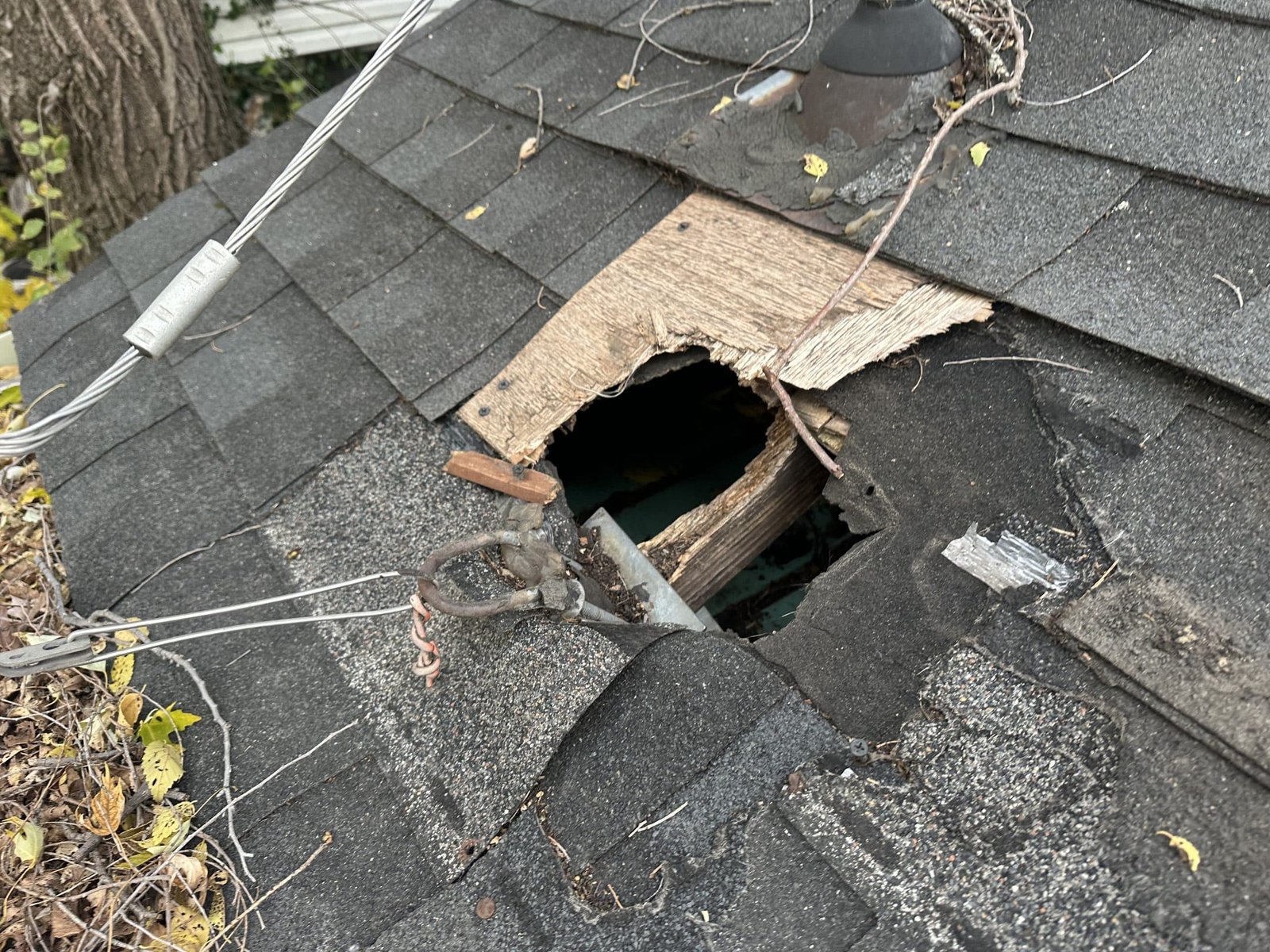
Humane raccoon removal from first inspection to final repair
Every property is different, but our process follows a clear sequence so adults and young are accounted for before the opening is permanently sealed.
Inspect
We inspect the roofline, attic, soffits, vents, chimney and other likely den sites while looking for tracks, damage, nesting material and latrines.
Locate Kits
We check carefully for vocalizations, nesting areas and other evidence of dependent young—even when the calendar suggests kit season may have passed.
Remove & Reunite
When kits are present, we perform hands-on extraction when accessible and use protected on-site box-release methods designed to let the mother retrieve and relocate them.
Exclude & Protect
After the family is safely out, we close the active opening and reinforce vulnerable areas included in the approved exclusion scope.
Keeping raccoon families together matters
Young raccoons cannot survive on their own. Sealing a mother outside while kits remain in an attic can create unnecessary suffering, odor, damage and an urgent re-entry attempt by the mother.
Our technicians actively search for young and, when conditions allow, extract the kits and place them in a secure, weather-conscious reunion box at the property. The mother can then retrieve her young and move them to an alternate den.
Family-first field practices
- Listen and inspect for young before permanent closure
- Use safe, protected on-site box release when appropriate
- Monitor for retrieval and continued activity
- Coordinate with licensed wildlife rehabilitators when an animal is injured, orphaned or cannot be reunited
- Never assume there are no kits solely because it is “out of season”
Season guides the inspection—but never replaces it
Most Illinois raccoon births occur in spring, yet wildlife does not follow a perfect calendar. Late litters and unusual denning situations can occur.
Typical spring kits
Female raccoons commonly choose attics, chimneys and sheltered roof areas as maternity dens in late winter and spring.
Growing summer families
Kits become more mobile as summer progresses, but may still depend on the mother and remain associated with the den site.
Late or unexpected litters
Reproductive timing can vary. We check for young during every den-related removal, including outside the typical season.
Closing the entry is the long-term solution
Removing a raccoon without correcting the opening leaves the home available to the same animal or another animal. Our exclusion work focuses on the active entry and the vulnerable construction details that allowed access.
The exact repair scope and any optional cleanup are documented after inspection.
Common raccoon entry points
- Torn soffits and roof returns
- Damaged attic or roof vents
- Uncapped or damaged chimneys
- Roof-to-wall intersections
- Openings beneath decks, additions and sheds
- Weather-damaged fascia and siding
Raccoon removal questions
Do you trap and relocate raccoons?
We choose the most appropriate legal and humane removal method based on where the animal is denning, whether young are present, the structure and current activity. Family reunion and on-site release methods may be used when kits are involved.
What happens if raccoon kits are in my attic?
We work to locate and safely extract accessible kits, then use a protected reunion setup so the mother can retrieve and move them. If reunion is not possible or an animal needs care, we coordinate with licensed rehabilitators when appropriate.
Is raccoon removal included with repairs?
Yes. When D&K completes an approved raccoon exclusion, the removal is included with that exclusion service. Cleanup or sanitation is evaluated separately according to contamination and access.
Can you seal the opening immediately?
Permanent closure is completed only after we have accounted for animal activity and dependent young. Sealing too early can trap animals inside or separate a mother from her kits.
Schedule a raccoon inspection
If you hear heavy movement in the attic, see roof damage, or suspect a raccoon family is denning in the structure, D&K can identify the problem and build a removal-and-exclusion plan.