
Protect Your Home from Unwanted Pests
Professional Mouse Extermination & Rodent Removal
Discover effective strategies to safeguard your home from mice infestations with our expert pest control services.
Signs of Mice In Your Home
If you are noticing signs of mice, there is a good chance they have already moved into your home. Mice are stealthy, fast-breeding pests, and even minor activity can quickly turn into a full infestation. Look for the following warning signs:
-
Droppings that look like small black grains of rice, often found in cabinets, basements, or drawers
-
Scratching or scurrying noises coming from walls, ceilings, or vents—especially at night
-
Gnaw marks on food packaging, wires, insulation, cardboard, and wood
-
Nests made from shredded paper, insulation, fabric, or debris
-
Grease or rub marks along baseboards or wall edges from repeated travel paths
-
Strong, musky urine odor signaling heavy or long-term activity
-
Increased pet interest around certain areas, such as behind appliances or in closets
-
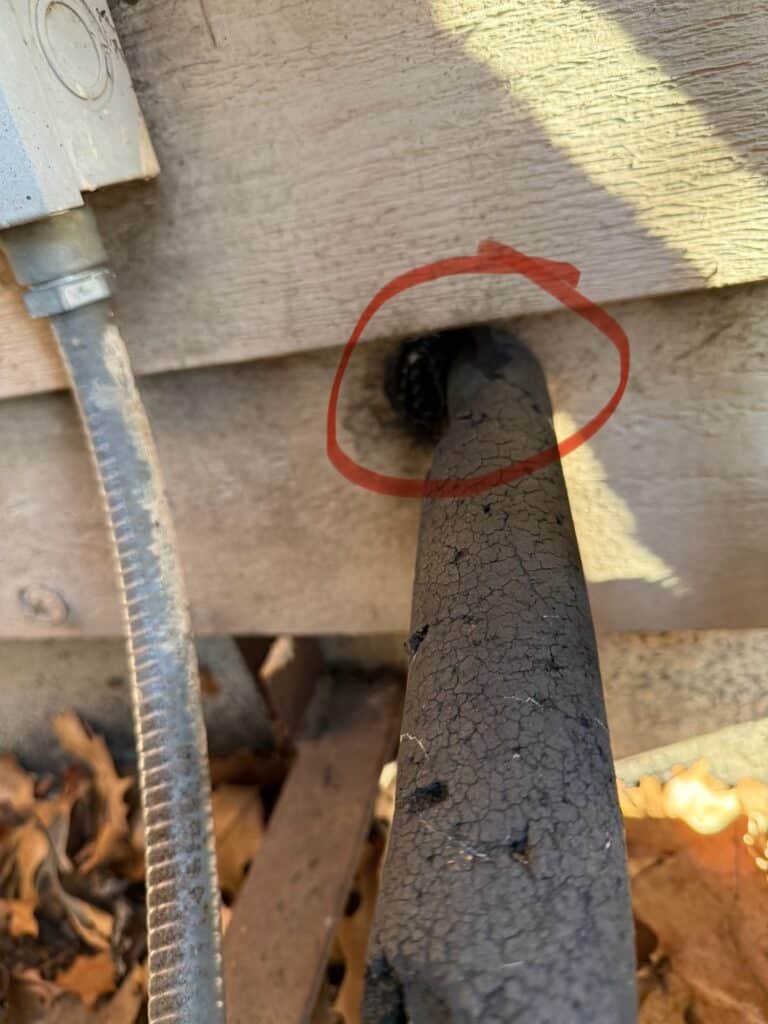
Chewed openings around siding, foundation gaps, utility lines, or ductwork
Health Risks of Mice Infestations
Diseases Transmitted by Mice
House mice and deer mice can transmit dangerous bacteria and viruses through droppings, urine, nesting materials, and saliva.
Common risks include:
➤ Hantavirus Pulmonary Syndrome (HPS)
Most commonly associated with deer mice. Breathing in particles from contaminated droppings is the most common transmission path.
➤ Salmonella
Mice contaminate food and food-prep surfaces, spreading salmonella and causing severe gastrointestinal illness.
➤ Leptospirosis
Spread through urine, this disease can cause kidney damage and severe flu-like symptoms.
➤ Parasites
Mice commonly carry fleas, mites, and ticks into homes, increasing secondary pest problems.
➤ Structural & Fire Hazards
Mice chew electrical wiring, creating a significant fire risk in attics, basements, and wall voids.
Because mice breed quickly—up to 6–10 litters per year—delaying treatment makes infestations harder and more costly to control. That’s why it’s important to choose a rodent-control company that can provide long-term solutions and stop the problem for good.
Step 1
Comprehensive Inspection
Our team conducts a thorough inspection to identify entry points, nesting sites, and signs of mouse activity, ensuring no detail is overlooked.
Step 2
Targeted Trapping
We strategically place traps in high-traffic areas to effectively capture mice, minimizing their presence in your home.
Step 3
Sanitation Recommendations
We provide guidance on cleaning and disinfecting affected areas to eliminate contamination and prevent health risks.
Step 4
Exclusion Solutions
Our experts seal entry points with durable materials to prevent future infestations, ensuring long-term protection for your home.
Rodent-Proofing Solutions
Our comprehensive approach ensures your home is fortified against future invasions with professional-grade materials and techniques, providing dependable, long-term protection against rodent entry.
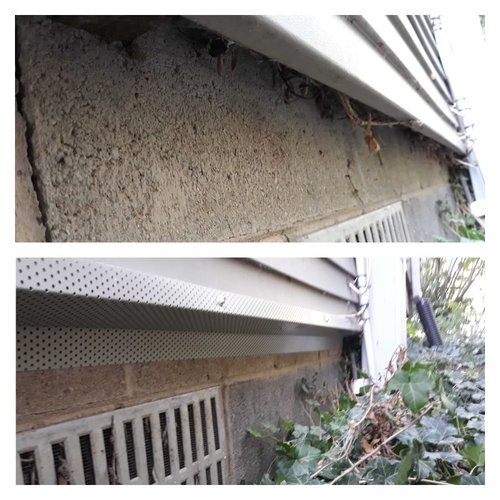
Foundation Sealing
We seal gaps in your foundation and around utility lines to block common entry points for mice.
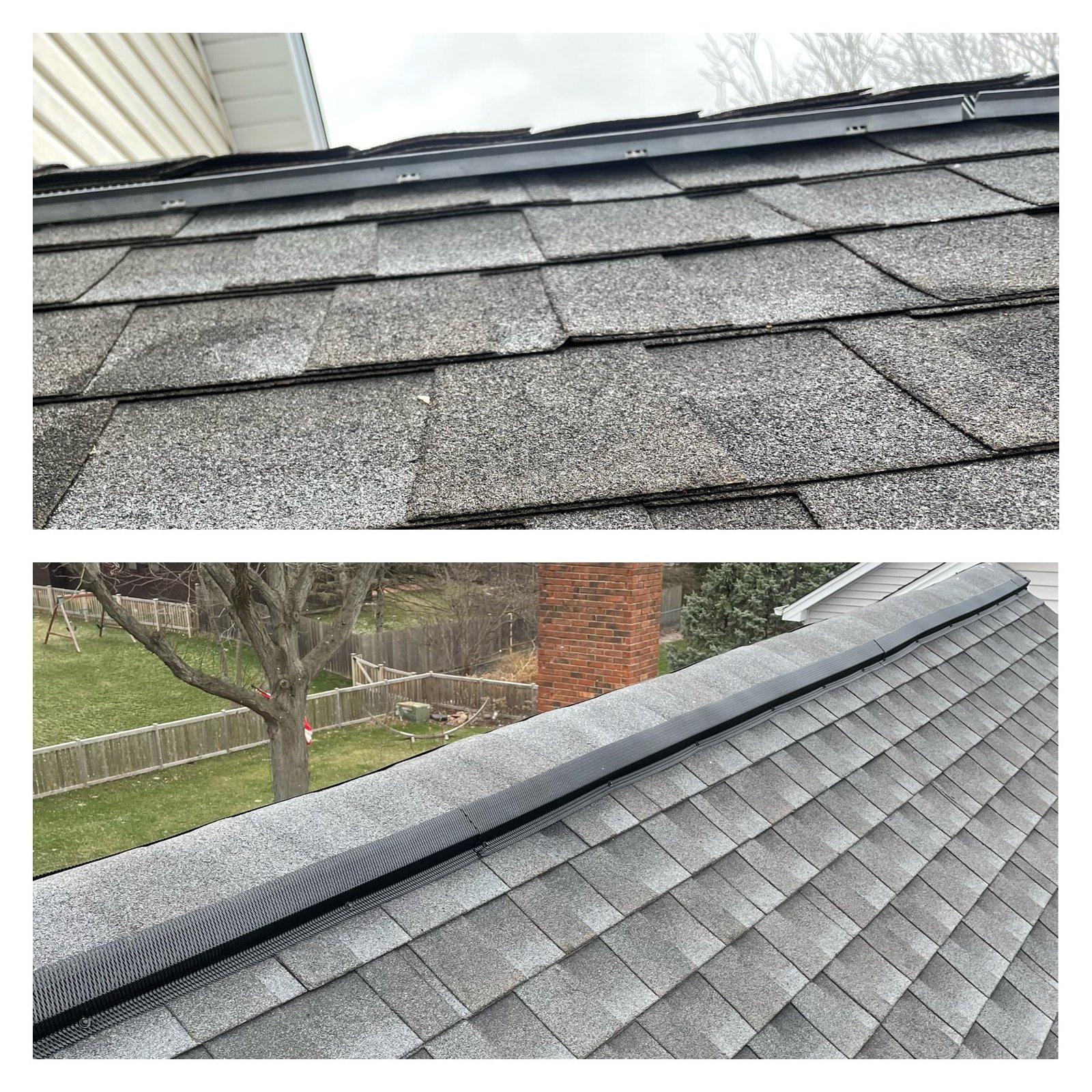
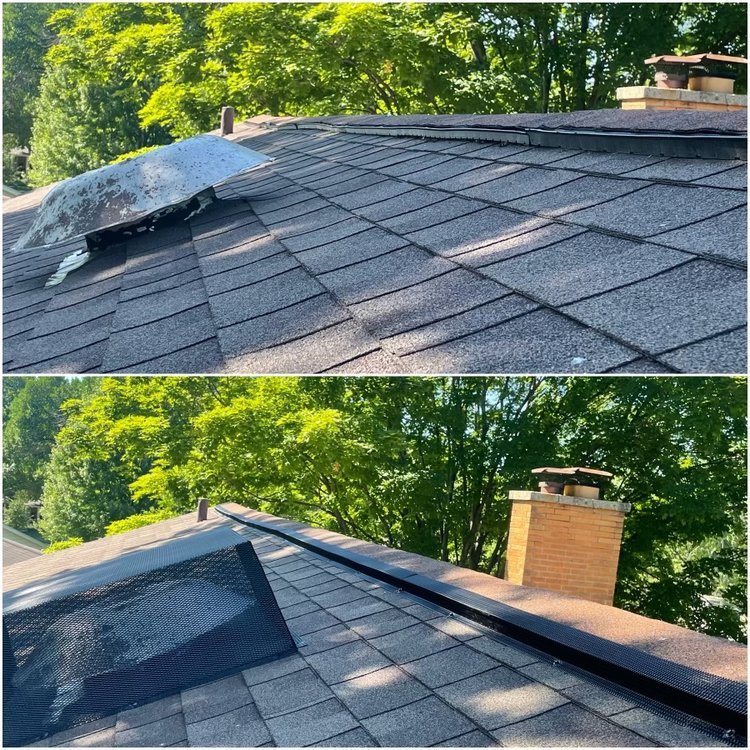
Vent Reinforcement
Our team installs expanded steel covers manufactured by AAC Distributing to protect and reinforce crawl space vents, attic vents, bathroom exhaust vents, and ridge vents.
Siding and Corner Protection
To protect your home from rodents, we’ll wrap the underside of your siding with durable metal and install custom-made corner caps that seal off the vulnerable siding corners where mice and other pests often enter.
Chew-Proof Installations
We use high-grade, chew-resistant exclusion materials and seamless installation techniques to stop rodents from entering—and prevent damage long-term.
Soffit Returns Repairs
Soffit return repairs are one of the most effective ways to stop mice from entering your attic. We seal gaps where the roofline meets the siding, reinforce weak construction points, and install durable, chew-proof materials to block rodents from accessing this hidden but high-risk entry area.
Preventing Mouse Infestations
Homeowners can take proactive steps to reduce the risk of mouse problems by maintaining a clean and organized environment.

Secure Food Sources
Store food in airtight containers and eliminate outdoor food sources to deter mice from entering your home.
Reduce Indoor Clutter
Keep storage areas tidy and off the ground to minimize hiding spots for mice.
Address Moisture Issues
Repair leaks and manage moisture to create an inhospitable environment for rodents.
Professional Mouse Control Across Chicago's Western Suburbs
Based in Woodridge, D&K provides mouse inspections, trapping, sanitation recommendations, entry-point repairs, and rodent exclusion for homes and businesses across Chicago’s western suburbs.
Learn more about our professional pest-control services, explore rodent exclusion and entry-point repairs, view service information for Naperville and Aurora, or request a mouse inspection.
For additional public-health guidance, see the CDC’s hantavirus information and the Illinois Department of Public Health house-mouse guide.
Mouse Control FAQs
How do mice get into a house?
What are the most common signs of a mouse infestation?
Do you seal mouse entry points?
How much does professional mouse control cost?
Are mouse droppings dangerous?
Do you provide mouse control for businesses?
Take Control of Your Space Today
Don’t let pests take over your home or business. Contact D&K Pest Control & Wildlife Removal for a comprehensive consultation and proven protection solutions. If you need professional mouse control, now is the perfect time to get the help you need.




Related Services & Resources
Illinois Pest Identification Guide
Mice & Rats of Illinois
Learn how to identify the rodents most likely to enter Illinois homes, where they live, what they eat, the warning signs they leave behind, and how to clean contaminated areas safely.
Rodents Around the Home
Why mice enter Illinois homes
Mice and rats are adaptable mammals that seek shelter, food, water, and nesting material. Activity often increases when outdoor conditions become cold or food becomes scarce, although indoor infestations can occur at any time of year.
Rodents usually travel close to walls and other protected edges. They nest in quiet areas such as wall voids, attics, basements, garages, crawlspaces, stored boxes, and insulation. Their continuously growing front teeth make gnawing a normal behavior—not just a sign that they are eating.
Finding the species matters because house mice, deer mice, Norway rats, and other rodents differ in size, habitat, behavior, and health concerns.

Common Species
Rodents found in and around Illinois buildings
House Mouse
Identification: Small and slender with gray-brown fur, a pointed nose, large ears, and a long, nearly hairless tail.
Habits: Excellent climbers that can live almost entirely indoors. House mice build nests from shredded paper, fabric, and insulation and may reproduce rapidly when food and shelter are available.
Diet: Seeds and grains are preferred, but house mice sample many stored foods and pet foods.
Deer Mouse
Identification: Brown or gray above with a sharply white belly and feet. The tail is usually distinctly two-colored.
Habits: More closely associated with fields, wooded edges, sheds, cabins, barns, and rural properties than dense urban interiors. They may move into buildings as temperatures fall.
Risk: Deer mice are the North American rodents most often associated with hantaviruses.
White-Footed Mouse
Identification: Similar to a deer mouse, with brown upper fur, white feet and underside, and large ears and eyes.
Habits: Common near wooded areas, brush, and field edges. They may nest in outbuildings, garages, attics, and wall spaces when they find an opening.
Diet: Seeds, nuts, berries, fungi, and insects.
Norway Rat
Identification: A heavy-bodied brown or gray rat with a blunt nose, small ears, and a tail shorter than the head and body combined.
Habits: Strong burrowers found around foundations, alleys, sewers, dumpsters, livestock areas, and places with dependable food and water. They usually stay close to ground level.
Diet: Opportunistic omnivores that consume garbage, grain, pet food, and many other materials.
Roof Rat
Identification: Slimmer than a Norway rat, with a pointed nose, larger ears, and a tail longer than the head and body combined.
Habits: Agile climbers that favor elevated nesting areas. Established roof-rat populations are far less common in northern Illinois than Norway rats, so careful identification is important.
Diet: Fruits, nuts, seeds, stored foods, and other available material.
| Rodent | Typical clue | Likely setting |
|---|---|---|
| House mouse | Small dark droppings; gnawing; indoor nesting | Kitchens, walls, attics, garages |
| Deer/white-footed mouse | White underside and feet; two-toned appearance | Wooded, rural, and edge habitats |
| Norway rat | Large droppings, burrows, heavy gnawing | Ground level, foundations, sewers, dumpsters |
| Roof rat | Slender body and long tail; elevated activity | Upper levels and rooflines; uncommon locally |
Signs & Habits
What rodent activity looks like
- Droppings in cabinets, drawers, attics, basements, or along walls
- Scratching or scurrying sounds, especially after dark
- Gnaw marks on food packages, wood, insulation, or wiring
- Nests made from paper, fabric, plant material, or insulation
- Greasy rub marks along repeated travel paths
- Musky odors in enclosed or heavily used areas
- Burrows beside foundations, patios, sheds, or debris
- Pet attention focused behind appliances or inside walls

Health & Property Concerns
Risks associated with mice and rats
Contamination and disease
Rodents can contaminate food and surfaces with urine, droppings, saliva, and nesting debris. Diseases associated with rodents include hantavirus infections, leptospirosis, salmonellosis, rat-bite fever, and lymphocytic choriomeningitis. The actual risk depends on the species, exposure, and conditions.
Allergens, parasites, and damage
Rodent urine, dander, and droppings can contribute to indoor allergens. Fleas, ticks, and mites may also be present. Gnawing can damage stored goods, insulation, wood, and electrical wiring, while nesting material can obstruct equipment or ventilation.
CDC Cleanup Guidance
Do not sweep or vacuum dry droppings
The CDC advises ventilating the area, wearing appropriate protective equipment, thoroughly wetting droppings and urine with disinfectant, allowing the product time to work, and wiping the material up. Sweeping or vacuuming dry contamination can place particles into the air.
Prevention
Making a home less attractive to rodents
Reduce food and shelter
Store food and pet food in durable sealed containers, clean spills and crumbs, manage garbage, remove clutter, trim vegetation away from the structure, and avoid leaving bird seed or other food accessible overnight.
Address entry points
Inspect gaps around foundations, utility penetrations, doors, vents, siding, soffits, roof intersections, and garage-door edges. Rodents can use surprisingly small openings, and durable repairs are more reliable than lightweight filler alone.
Illinois and public-health resources: University of Illinois Extension: mice in homes · University of Illinois Extension: Norway rats · Illinois Department of Public Health: rodent management
Common Questions
Illinois rodent FAQs
What is the most common mouse found inside Illinois homes?
The house mouse is the species most closely associated with year-round indoor infestations. Deer mice and white-footed mice can also enter buildings, especially near wooded or rural habitat.
How can I tell a mouse from a young rat?
Mice generally have proportionally larger ears and a more delicate build. Young rats tend to have larger feet, heavier heads, and thicker tails. Droppings, tracks, gnawing, and nesting location also help with identification.
Are roof rats common in northern Illinois?
Roof rats are much less common in northern Illinois than Norway rats. Any suspected roof-rat activity should be carefully identified before conclusions are made.
What should I do if I find rodent droppings?
Avoid sweeping or vacuuming them dry. Follow the CDC wet-cleanup and disinfection guidance, and seek professional help when contamination is extensive or located in difficult areas.
Need help with active mice?
This library page helps with identification. For inspection, rodent-proofing, trapping and removal, and cleanup or sanitation, visit our dedicated service page.