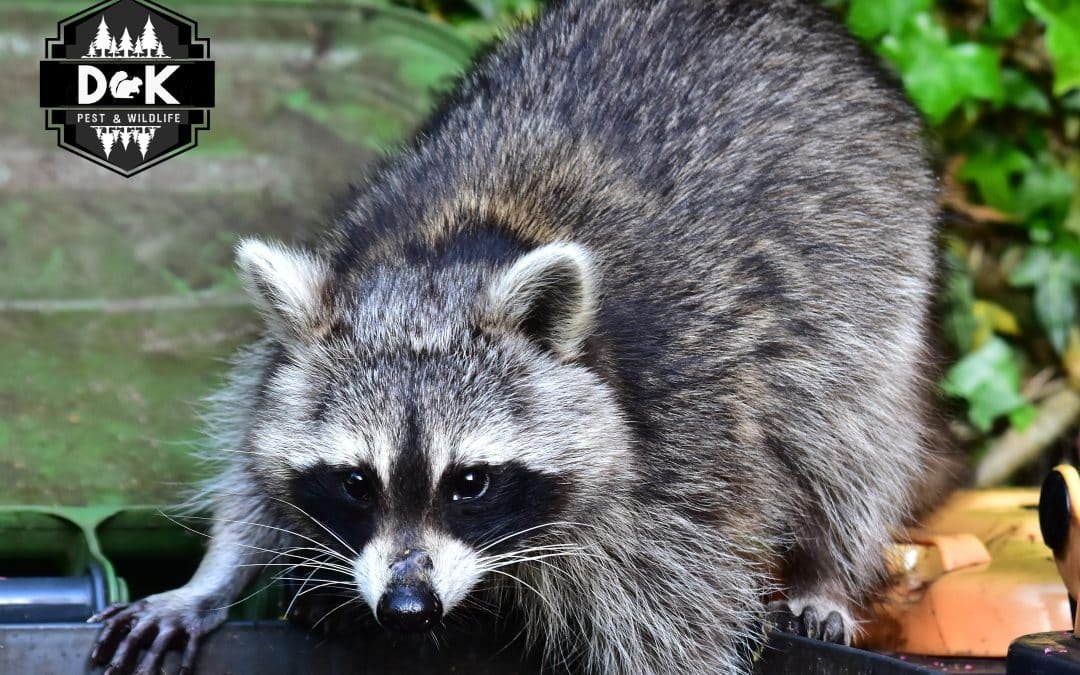
Wildlife prevention starts before raccoons and squirrels find a way into your attic. For homeowners in Naperville, Woodridge, and surrounding Northern Illinois communities, understanding winter wildlife habits can help you spot entry points and protect your home early.
Old cartoons might have you believe that woodland animals curl up in the fall and sleep until spring. But raccoons, tree squirrels, and striped skunks don’t truly hibernate. Winter brings changes to their routines, but they still need food and a sheltered place to stay.
Unfortunately, that shelter can be your home.
Understanding their winter habits helps explain why protecting your home early is so important.
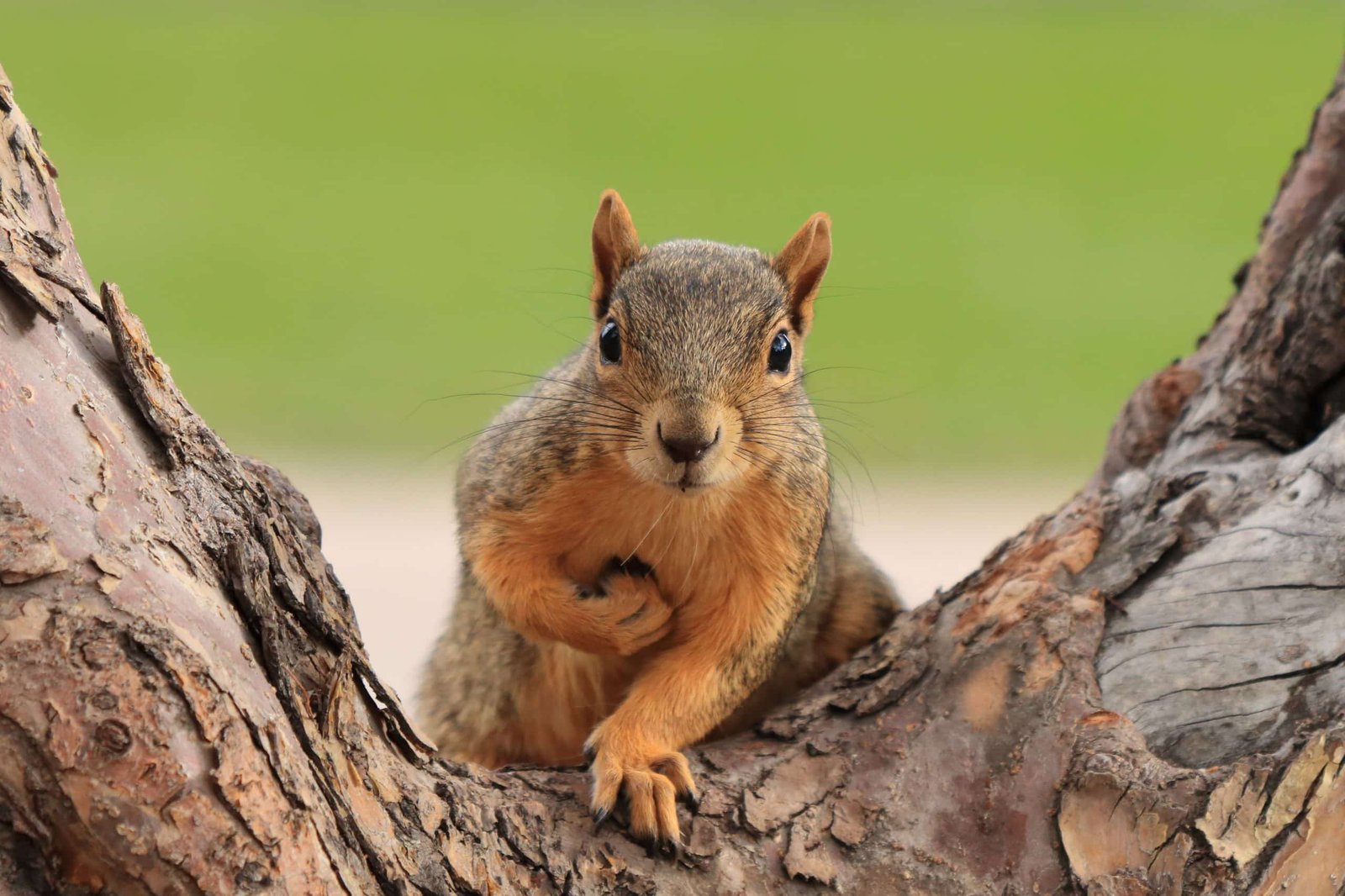
Squirrels: Burying Nuts and Preparing for Winter
Those squirrels racing around your yard in the fall are busy preparing for colder weather. Gray and fox squirrels bury nuts and seeds in scattered hiding places, creating a food supply they can return to when other foods become harder to find.
They don’t recover every nut they bury. Some uneaten seeds eventually sprout into new trees—making squirrels accidental gardeners!
Tree squirrels remain active throughout winter, although they spend more time sheltered in their nests during extreme cold. Natural tree cavities provide protection, but an accessible attic can offer another sheltered nesting spot. Source: Wildlife Illinois
Winter is also the beginning of breeding season. In Illinois, tree squirrels commonly have a winter breeding period during January and February, with another later in the year. That means an opening left unaddressed through winter could become an entrance to a nesting area for a mother and her young. Timing varies by species and weather.
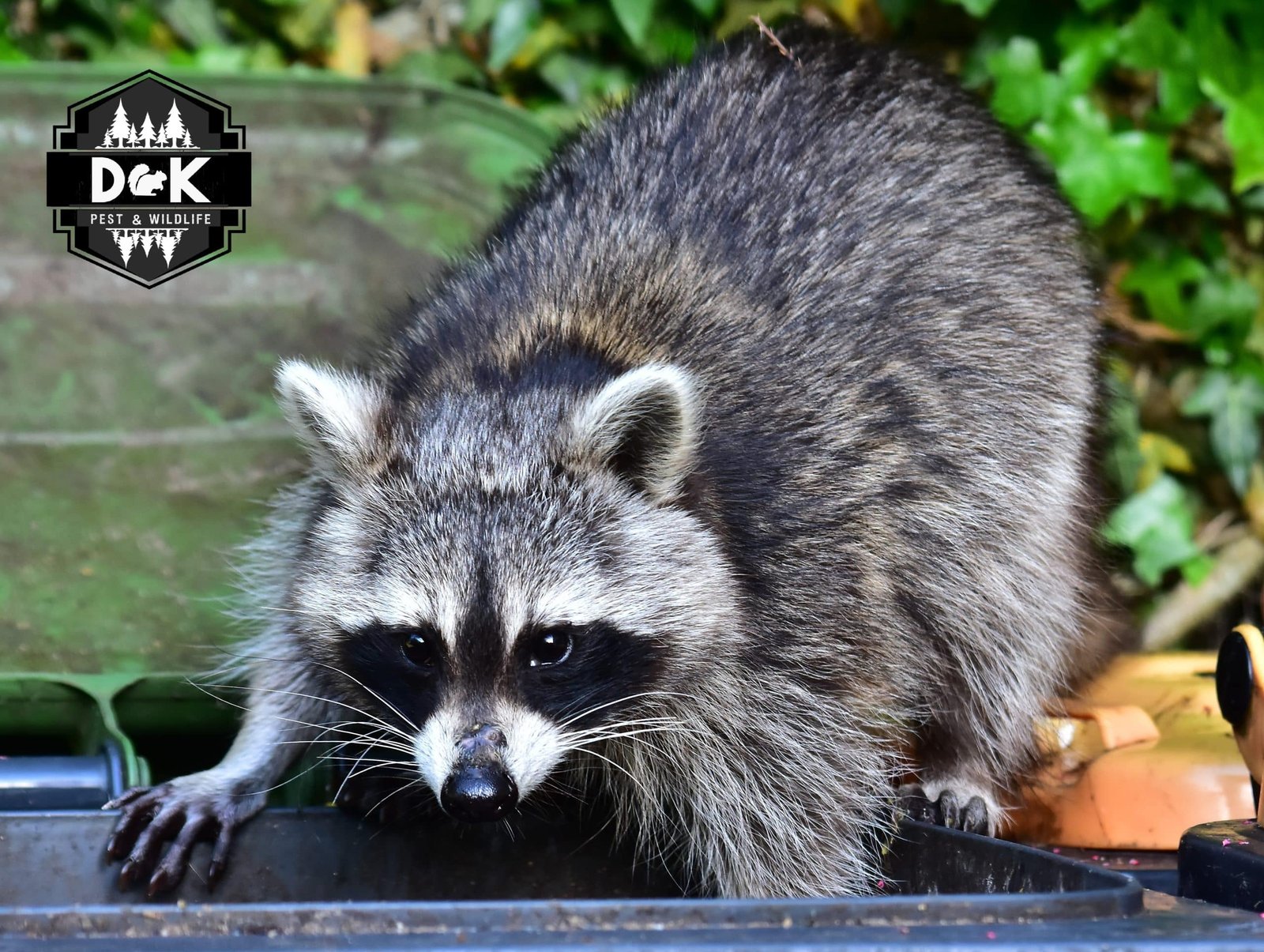
Raccoons: Quiet During Cold Spells, Active When Conditions Improve
Raccoons don’t hibernate, but they may remain in their dens for several days during severe winter weather. A quiet attic doesn’t necessarily mean an animal has moved out.
When conditions improve, raccoons can venture out to feed. They are opportunistic eaters, taking advantage of available foods—including unsecured garbage and pet food around homes.
In Illinois, raccoon mating season generally runs from January through March, peaking in February. Males travel in search of mates, and females later need secure dens to raise their young. An attic that offers winter shelter may also become an attractive place for a spring litter. Source: Wildlife Illinois
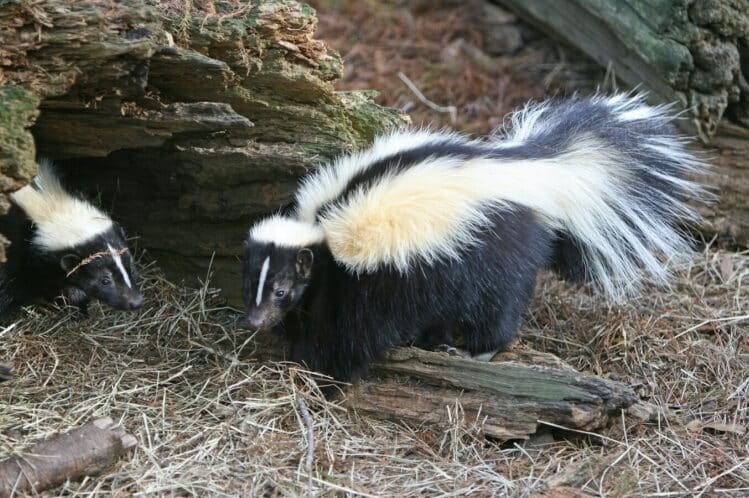
Skunks: Winter Rest and Late-Winter Mating
Striped skunks spend the coldest stretches of winter resting in dens, but they don’t truly hibernate. They may emerge during warmer weather, and several skunks sometimes share a winter den.
Unlike squirrels and raccoons, striped skunks are more likely to shelter beneath decks, porches, sheds, or foundations than in an attic. Their winter behavior still makes them an important part of protecting your home from wildlife. Source: Indiana DNR
In Illinois, skunk mating season typically falls between mid-February and mid-March. Activity around your property during late winter may be connected to breeding season, even when spring still feels far away. Source: Outdoor Illinois Journal
Why Early Wildlife Prevention Matters
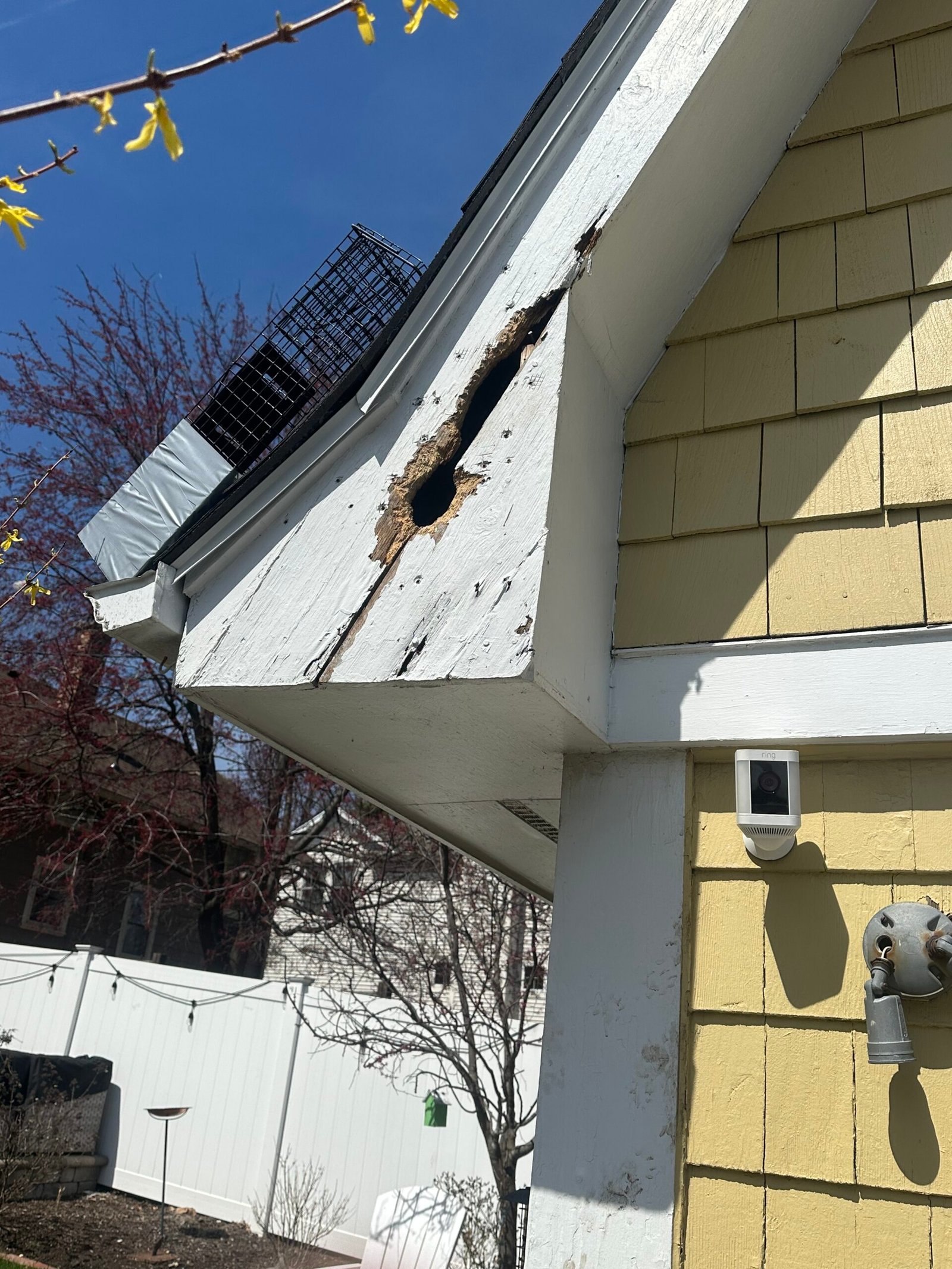
Winter shelter and the approaching breeding season give wildlife good reasons to investigate openings around a house. Loose soffits, damaged vents, deteriorating roof edges, and gaps beneath structures can provide opportunities.
A Practical Wildlife Prevention Checklist
- Check roof edges, soffits, and attic vents for damage or openings.
- Have damaged vent covers and chimney caps repaired with appropriate materials.
- Trim branches that provide easy access to the roof.
- Secure garbage and bring pet food indoors to reduce food attractants.
- Check beneath decks, porches, and sheds for signs of digging or denning.
For an occupied attic, wildlife prevention begins with an inspection and a plan for removing animals before repairing their entry points. Learn more about humane wildlife eviction and exclusion.
Once animals establish a den or nest, the problem can become more complicated—especially when young are present.
Watch for scratching or movement overhead, chewed openings, damaged vents, disturbed insulation, or unusual odors. If you suspect wildlife is already inside, have the space inspected before sealing an entrance. Closing an occupied opening can trap animals inside.
Wildlife Prevention for Raccoons and Squirrels: Start Before Winter
Wildlife prepares for winter well before the coldest weather arrives. Homeowners should, too.
Addressing vulnerable areas early can help prevent your attic, porch, or crawl space from becoming winter shelter—and potentially a nursery a few months later.
Contact D&K to discuss a wildlife inspection and the next steps for protecting your home this winter.