
ILLINOIS PEST IDENTIFICATION GUIDE
Boxelder Bugs & Asian Lady Beetles
Two of Illinois’ most noticeable fall invaders are boxelder bugs and multicolored Asian lady beetles. Both gather on buildings in large numbers and may spend the winter inside walls, but their appearance, diet and behavior are different.
This guide explains how to identify them, what attracts them and what homeowners should know when they appear indoors.
Identify Illinois’ Common Fall-Invading Beetles
Boxelder Bugs
Boisea trivittata
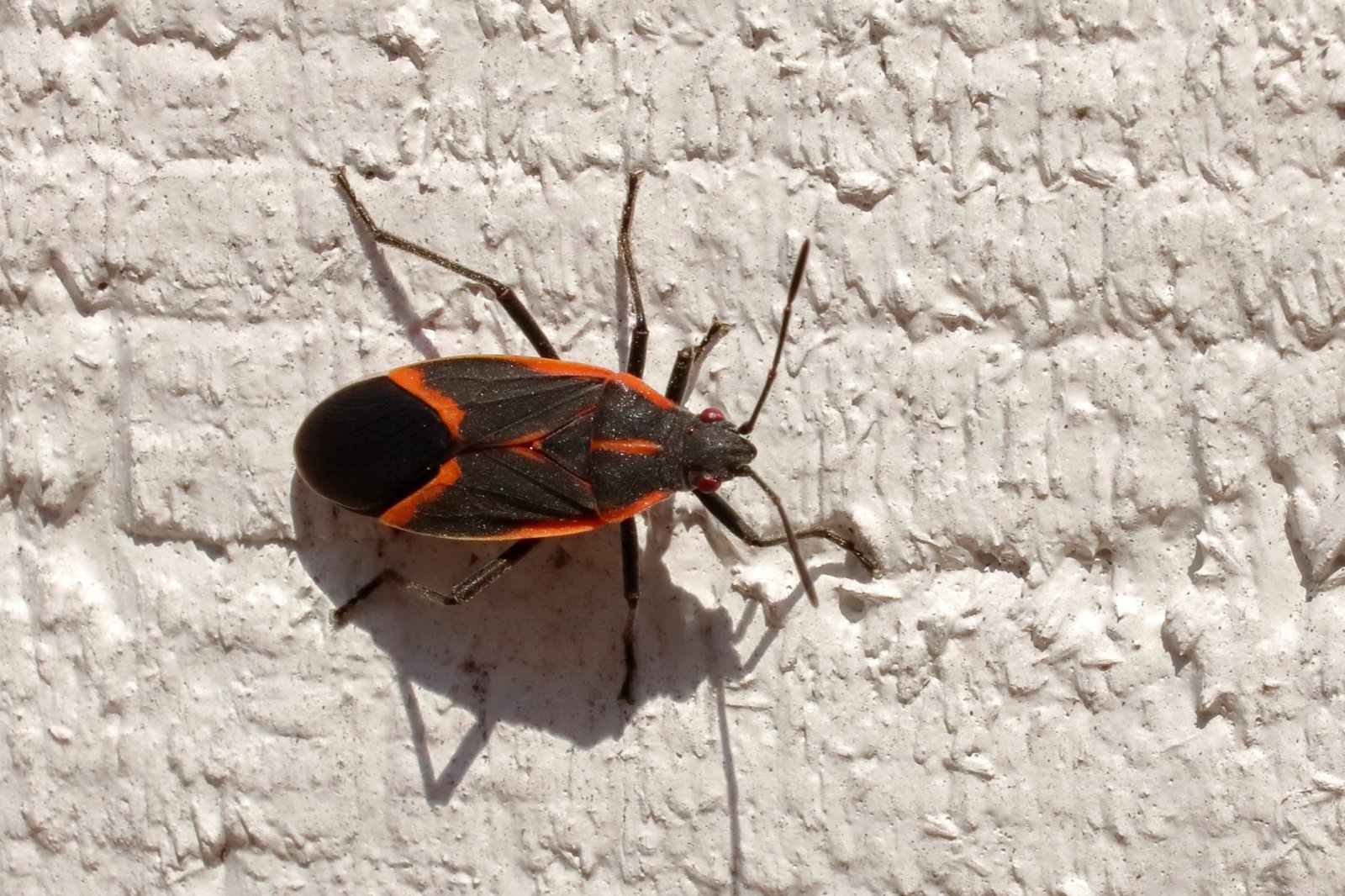
Adult boxelder bugs are about one-half inch long. Their bodies are mostly black with thin red or orange lines along the wings and behind the head. Young nymphs are bright red and darken as they mature.
- Diet: Seeds and developing leaves of boxelder trees, plus some maples and ash.
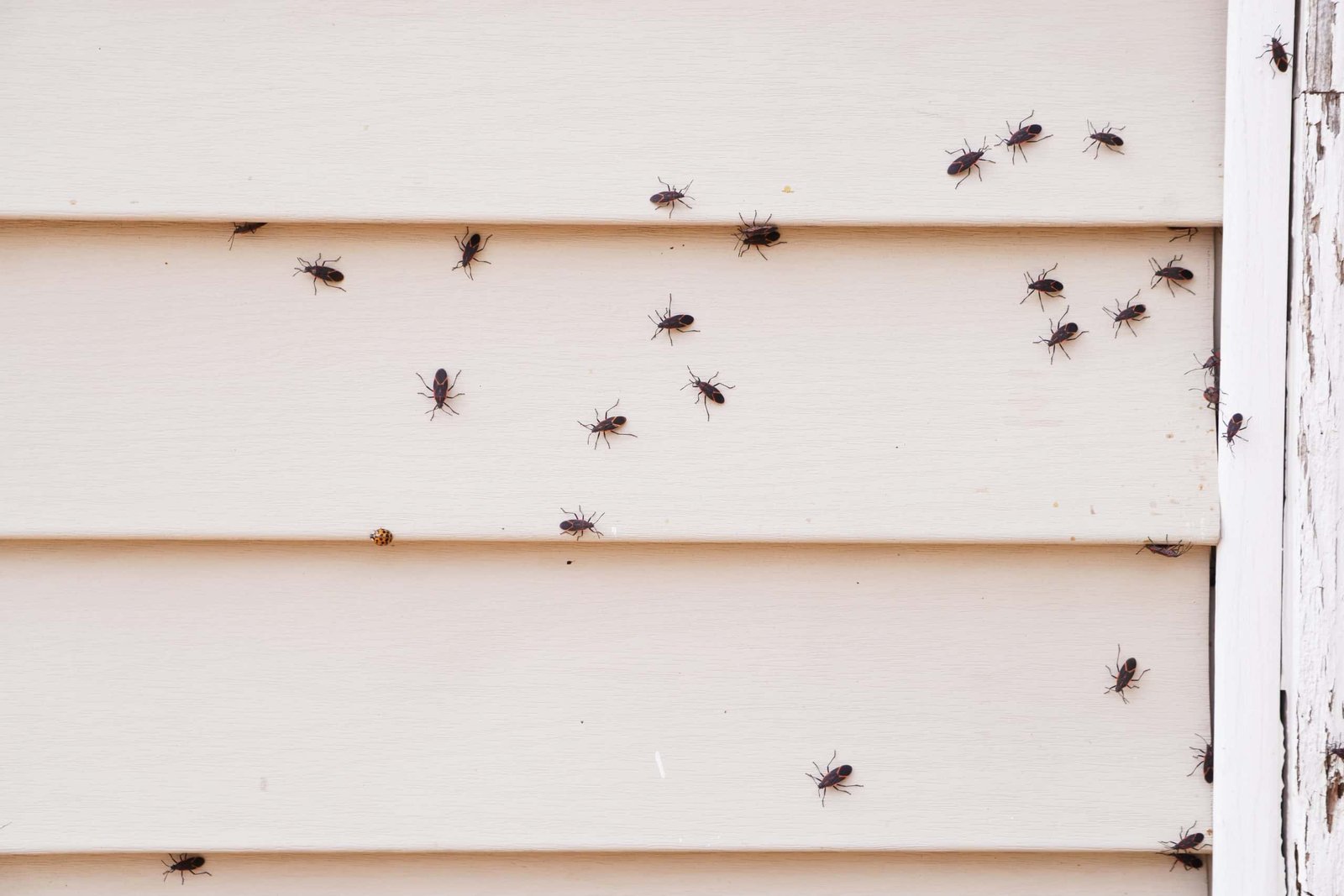
- Habits: Congregate on warm, sunny walls in late summer and fall.
- Risk: Primarily a nuisance; they do not reproduce indoors or damage the structure.
Multicolored Asian Lady Beetles
Harmonia axyridis
Adults are rounded and may be yellow, orange or red. The number of black spots varies widely, and some have no spots. A pale area behind the head often carries a dark M- or W-shaped mark.
- Diet: Aphids, scale insects and other soft-bodied plant pests.
- Habits: Gather on light-colored, sun-warmed buildings before overwintering.
- Risk: May pinch, release an odorous yellow fluid and trigger sensitivity in some people.
Boxelder Bug vs. Asian Lady Beetle
| Feature | Boxelder Bug | Asian Lady Beetle |
|---|---|---|
| Shape | Elongated, flat-backed | Rounded, dome-shaped |
| Color | Black with red or orange lines | Yellow, orange or red; spots vary |
| Primary food | Boxelder and maple seeds | Aphids and other plant pests |
| Indoor behavior | Slow-moving nuisance near windows | Clusters at windows and bright rooms |
| Defensive reaction | May stain when crushed | May pinch and release yellow fluid |
Seasonal Habits and Life Cycle
Both species spend winter as adults. In spring they leave protected spaces and return outdoors to feed and reproduce. Boxelder bug eggs are laid on host trees and nearby surfaces, while Asian lady beetles place egg clusters near aphid colonies.
By late summer, growing populations become more visible. Shorter days and cooler nights trigger the search for overwintering sites. South- and west-facing walls are especially attractive because they retain afternoon warmth.
Why Do They Appear Indoors in Winter?
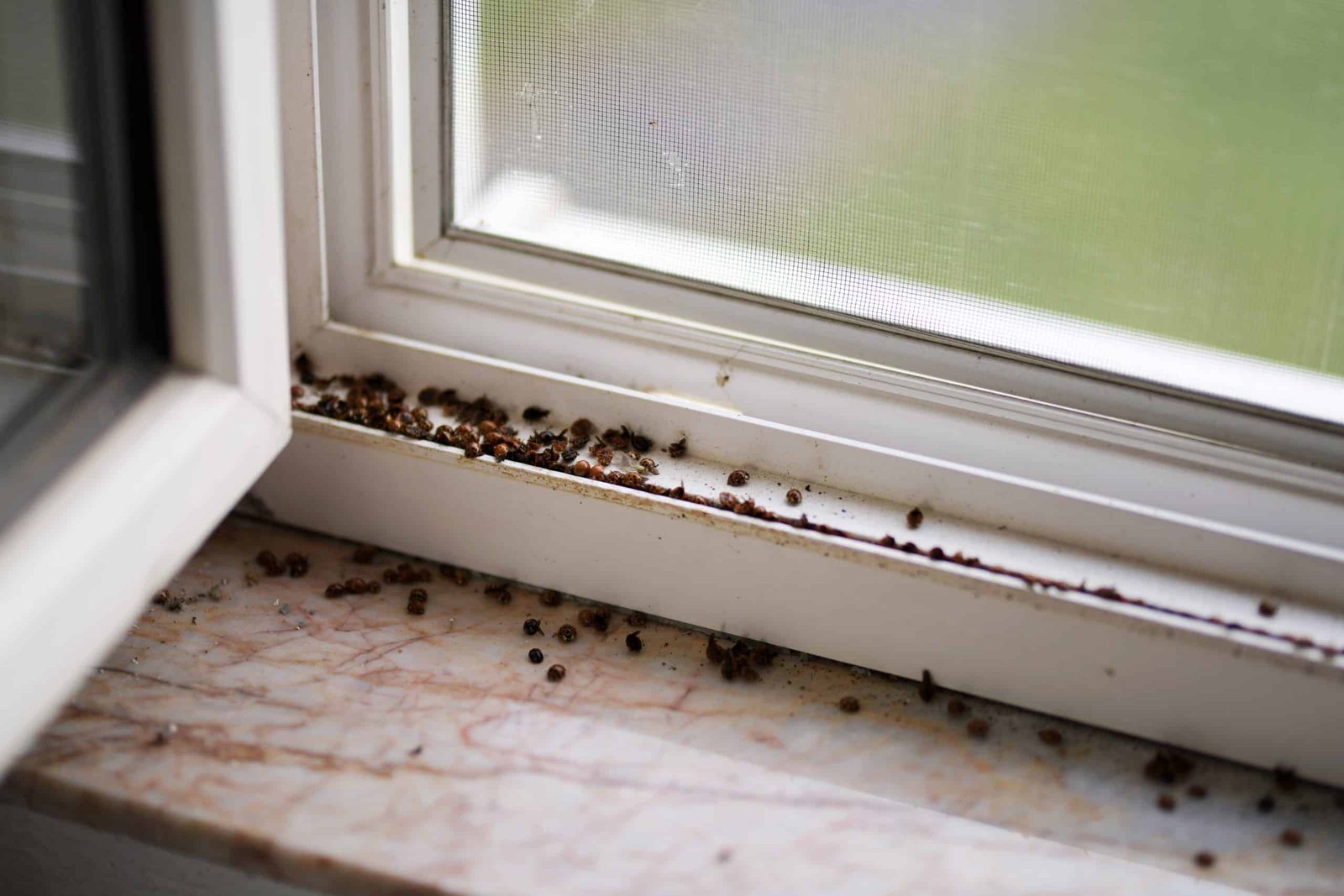
Beetles hidden in wall voids remain mostly inactive during cold weather. Sunlight or indoor heat can warm them enough to move toward windows, ceilings and light fixtures. Their winter appearance does not usually mean they are breeding inside.
Vacuuming is the simplest way to remove visible beetles. Empty the vacuum outside and avoid crushing insects against fabric, painted walls or other surfaces that could stain.
What Illinois Homeowners Should Know
- Neither species eats wood, fabric or stored food.
- Large indoor numbers usually began with entry during the previous fall.
- Boxelder trees can support boxelder bugs, but removing a mature tree is rarely a complete solution because adults can fly from neighboring properties.
- Asian lady beetles are beneficial predators outdoors even though they can become indoor nuisance pests.
- Sealing exterior gaps and timing preventive treatments before migration are the main long-term management tools.
Frequently Asked Questions
Are Asian lady beetles the same as native ladybugs?
Do boxelder bugs or Asian lady beetles reproduce inside homes?
Why are there so many on one side of the house?
Seeing large numbers around your siding or windows? Learn how D&K handles inspections, hard-to-reach eaves and exterior entry areas on our Boxelder Bug & Asian Lady Beetle Control service page.