Get Birds Out of Vents, Attics and Rooflines—and Keep Them Out
Professional bird removal, nest cleanup and exclusion for Northern Illinois homes. We specialize in sparrows and starlings nesting in exhaust vents, soffits, gables and attics, with pigeon solutions available where needed.
Birds often choose the same openings your home uses to breathe
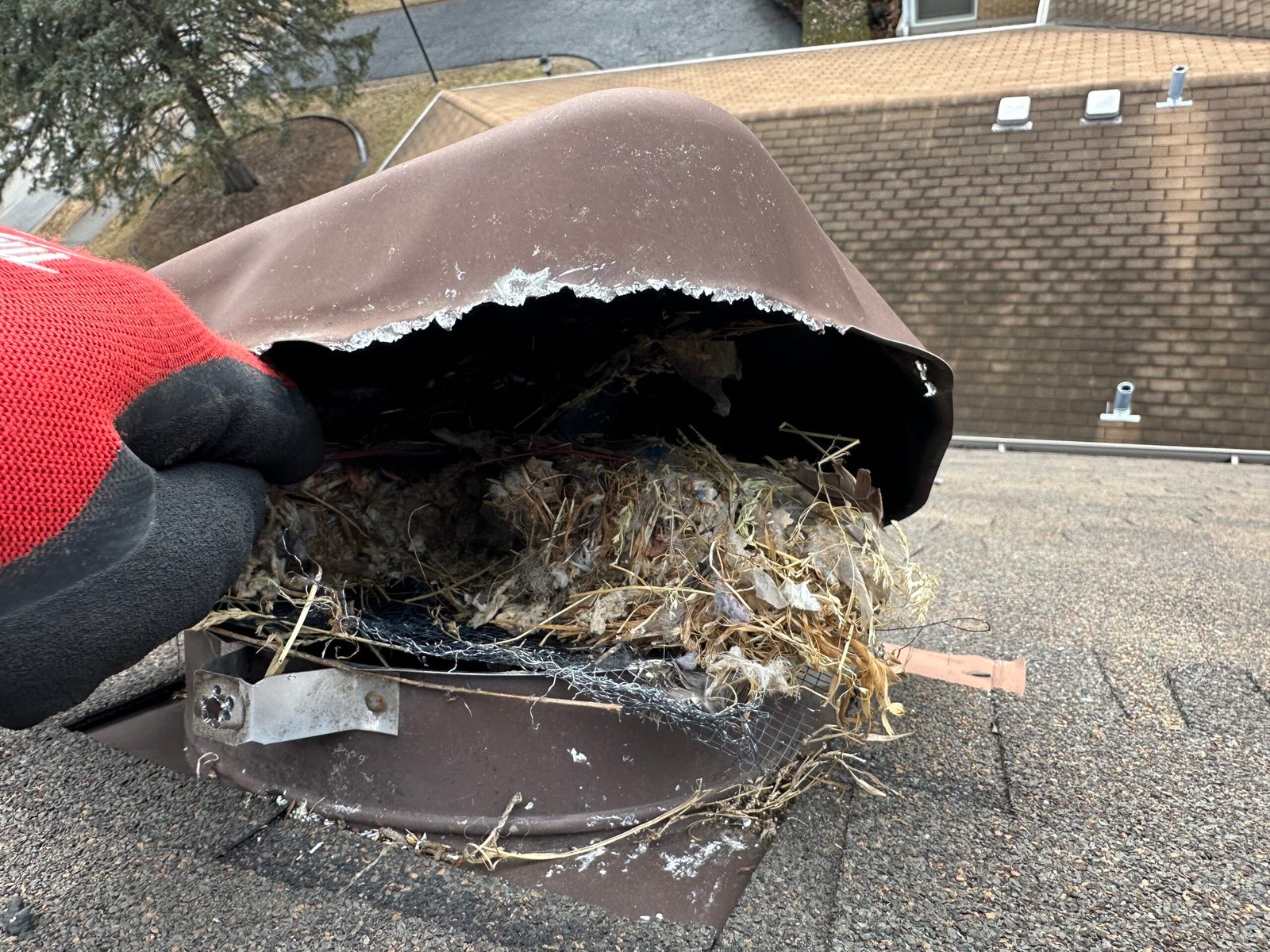
House sparrows and European starlings readily nest inside bathroom exhaust vents, attic vents, soffit gaps and gable openings. Their nesting can restrict airflow, hold moisture and bring noise, droppings and nesting debris close to the living space.
D&K Pest Control and Wildlife Removal handles the entire problem—not just the bird you can hear. We inspect the entry point, determine how the space is being used, remove accessible birds and nesting material, clean the affected area and protect the opening with a solution designed for that specific vent or construction detail.
- Birds nesting in bathroom and attic exhaust vents
- Birds entering attics through gable vents and soffits
- Sparrow, starling and pigeon problems
- Nest and debris removal with cleanup options
- Custom vent covers and structural bird exclusion
- Roosting prevention for ledges and downspouts
Looking for identification, habits and risks? Visit our Illinois nuisance bird guide.
Inspect. Remove. Clean. Protect.
Locate every active opening
We check the vent, roofline, soffit, gable and attic for nesting activity, secondary gaps and signs of roosting.
Get birds and nesting out
We remove accessible birds and nesting material while checking carefully for eggs or dependent young before closing an opening.
Clear contaminated debris
Nesting, feathers and droppings are removed from the serviceable area, with sanitation recommendations based on the conditions.
Install the correct exclusion
We secure the opening with a vent cover, replacement housing or structural repair that protects the home without defeating the vent’s function.
Different vents need different protection
A quick piece of screen is not the right answer for every opening. Our technicians match the exclusion method to the way the vent must operate.
Custom exterior covers
We build and install durable covers over attic vents to block birds while maintaining the opening’s intended ventilation.
Protected exhaust outlets
After removing nesting material, we install a custom cover that prevents re-entry and allows the exhaust to function.
Magnetic flush-mount steel
Because lint flow matters, we replace the housing with a magnetic flush-mount steel dryer vent rather than installing restrictive bird screen.
We follow the problem beyond the visible hole
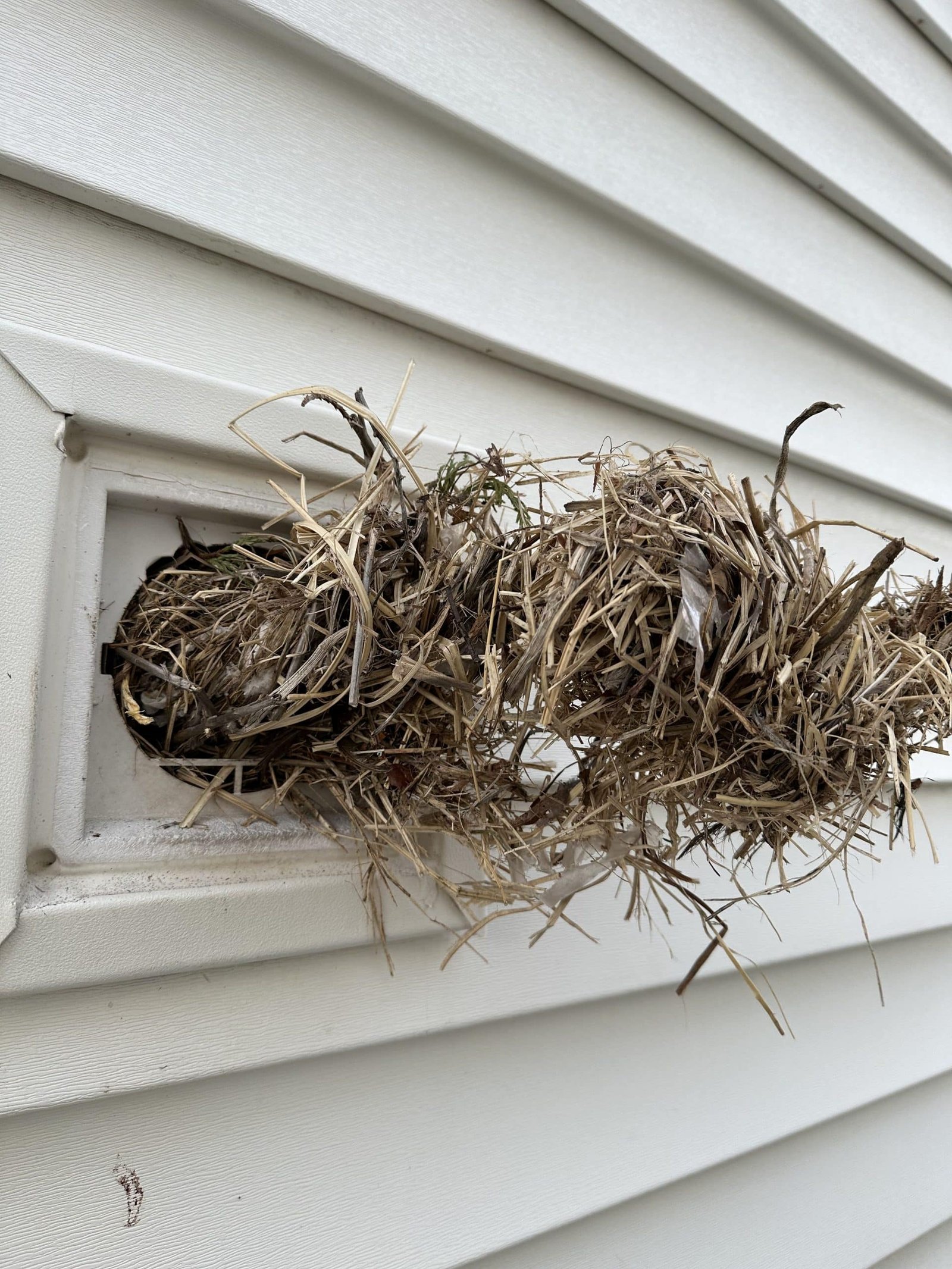
When birds disappear behind a gable vent, soffit return or roof edge, the visible opening may only be the start of the route. We inspect inside and outside whenever access allows, find where the birds are nesting and identify other weak points that could be used after the primary opening is repaired.
Bird species and nesting activity influence the safest timing and removal plan. We identify what is present, check for young and plan the exclusion around applicable wildlife protections.
Once the birds and nesting material are out, we complete the repair using materials suited to the vent, soffit, siding or roofline detail.
Stop birds from settling on ledges and downspouts
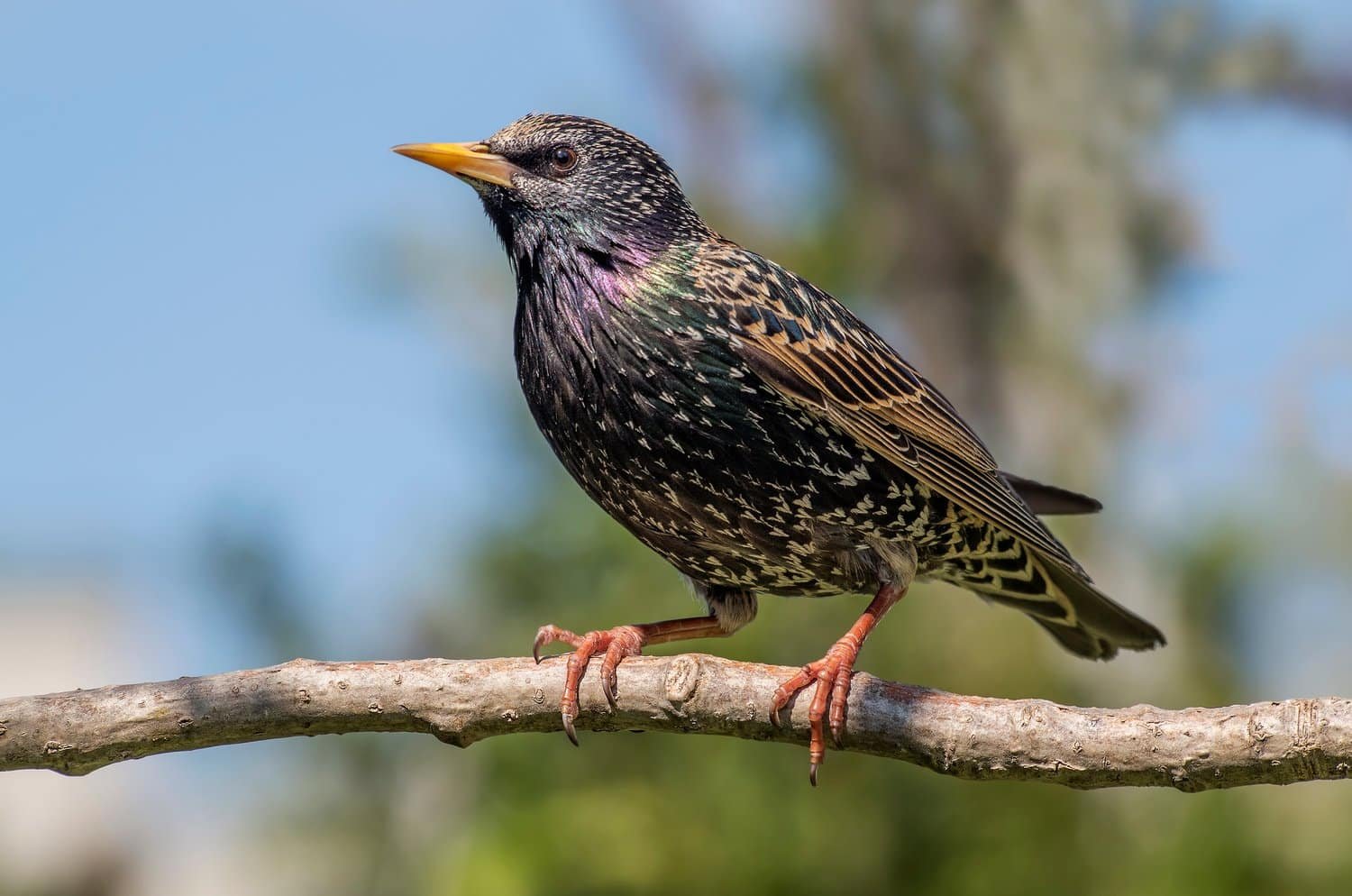
Nesting is only one type of bird problem. Sparrows, starlings and pigeons may also gather on architectural ledges or perch at the upper elbow of a downspout, leaving droppings and returning to the same protected spot day after day.
- Bird slope: angled, low-profile material installed on ledges so birds cannot comfortably land or roost.
- Downspout protection: custom protection at the top elbow to close the sheltered perch without blocking drainage.
- Targeted repairs: closure of gaps around trim, soffits, fascia and other recurring access points.
We choose the least obtrusive durable option that fits the building and the bird pressure instead of covering the entire structure with a one-size-fits-all product.
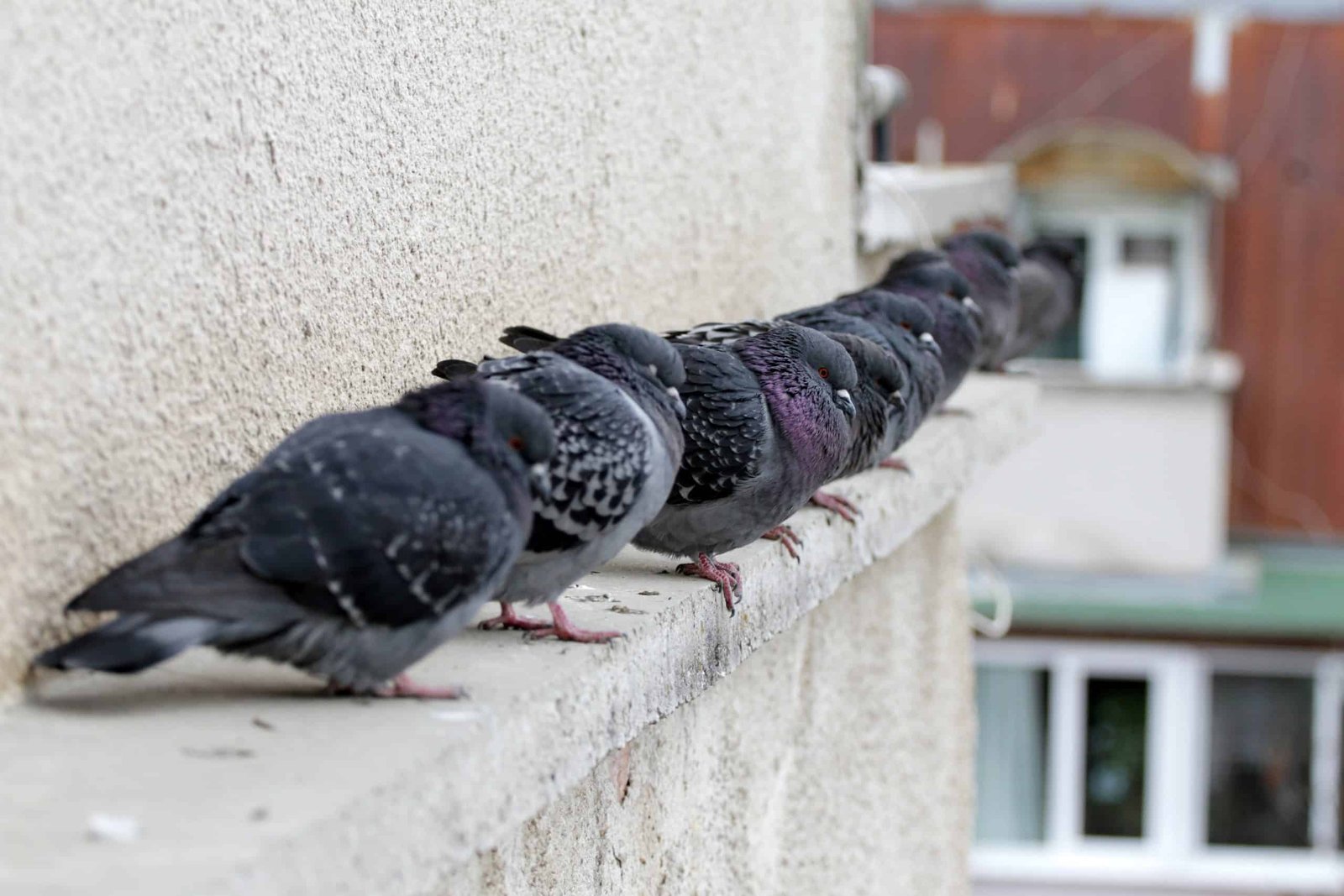
Starlings and sparrows are the most frequent home invaders
Strong, persistent cavity nesters
Starlings use larger vents, gable openings, soffit gaps and attic spaces. Their bulky nests can quickly fill an exhaust route.
Small birds that use small gaps
Sparrows squeeze into bathroom vents, wall cavities, soffits and sheltered roofline openings, often returning to familiar sites.
Ledge and structure roosters
Pigeons favor broad ledges, commercial-style rooflines and sheltered structural spaces. Exclusion often centers on access and roost prevention.
Common questions from homeowners
Do you remove the nest as well as the bird?
Yes. When accessible, we remove nesting material and debris before protecting the opening. Closing a vent without clearing the nest can leave airflow restricted and odors or insects behind.
Can you cover a dryer vent with screen?
Dryer vents require special care because lint must discharge freely. We typically replace the housing with a magnetic flush-mount steel dryer vent designed to close when the dryer is not operating.
What if there are eggs or baby birds?
We check for eggs and dependent young before closing an active opening. The species, nest location and stage of development determine the appropriate removal or timing.
Can birds return after the nest is removed?
Yes, if the opening remains usable. That is why our bird removal service pairs nest removal with a durable exclusion repair or purpose-built vent solution.
Do you clean droppings and nesting debris?
We clean the accessible service area and can recommend additional sanitation or restoration when contamination extends into a larger attic or enclosed space.
What areas do you serve?
We provide bird removal and exclusion throughout the western suburbs and surrounding Northern Illinois communities, including Naperville, Aurora, Wheaton, Plainfield and Oswego.
Hear birds in a vent, soffit or attic?
Schedule an inspection before nesting material builds up or the birds spread to another opening. We will explain what is using the space and the best way to remove, clean and protect it.