
Fox & Coyote Trapping and Removal Services
A fox or coyote passing through is not automatically a removal problem. D&K investigates repeated conflict, active denning, poultry or livestock loss, pet-focused behavior, and unusually bold activity—then recommends lawful, species-appropriate next steps.
Focus on a verified conflict, not a single sighting
Foxes and coyotes are established throughout Illinois and commonly move through suburban and rural areas. Professional involvement is most useful when a pattern of behavior creates a specific safety or property concern.
Active denning
Repeated adult travel, digging, vocalizations, or pups near a deck, shed, barn, brush pile, or other high-use area can create a seasonal conflict.
Poultry or livestock loss
Tracks, scat, entry points, carcass condition, and timing help distinguish a canid attack from raccoons, birds of prey, dogs, and other predators.
Escalating pet concerns
Following people with dogs, approaching small pets, returning to feeding sites, or loss of normal wariness deserves closer evaluation.
Identification comes before removal
Inspect and document
We examine tracks, scat, trails, den entrances, cameras or sightings, prey remains, and attractants to identify the responsible species and activity pattern.
Determine lawful options
Species, municipality, season, property setting, and current Illinois requirements affect whether trapping or another response is appropriate.
Target the conflict
When removal is warranted and permitted, equipment and monitoring are focused on the responsible animal rather than attempting broad population reduction.
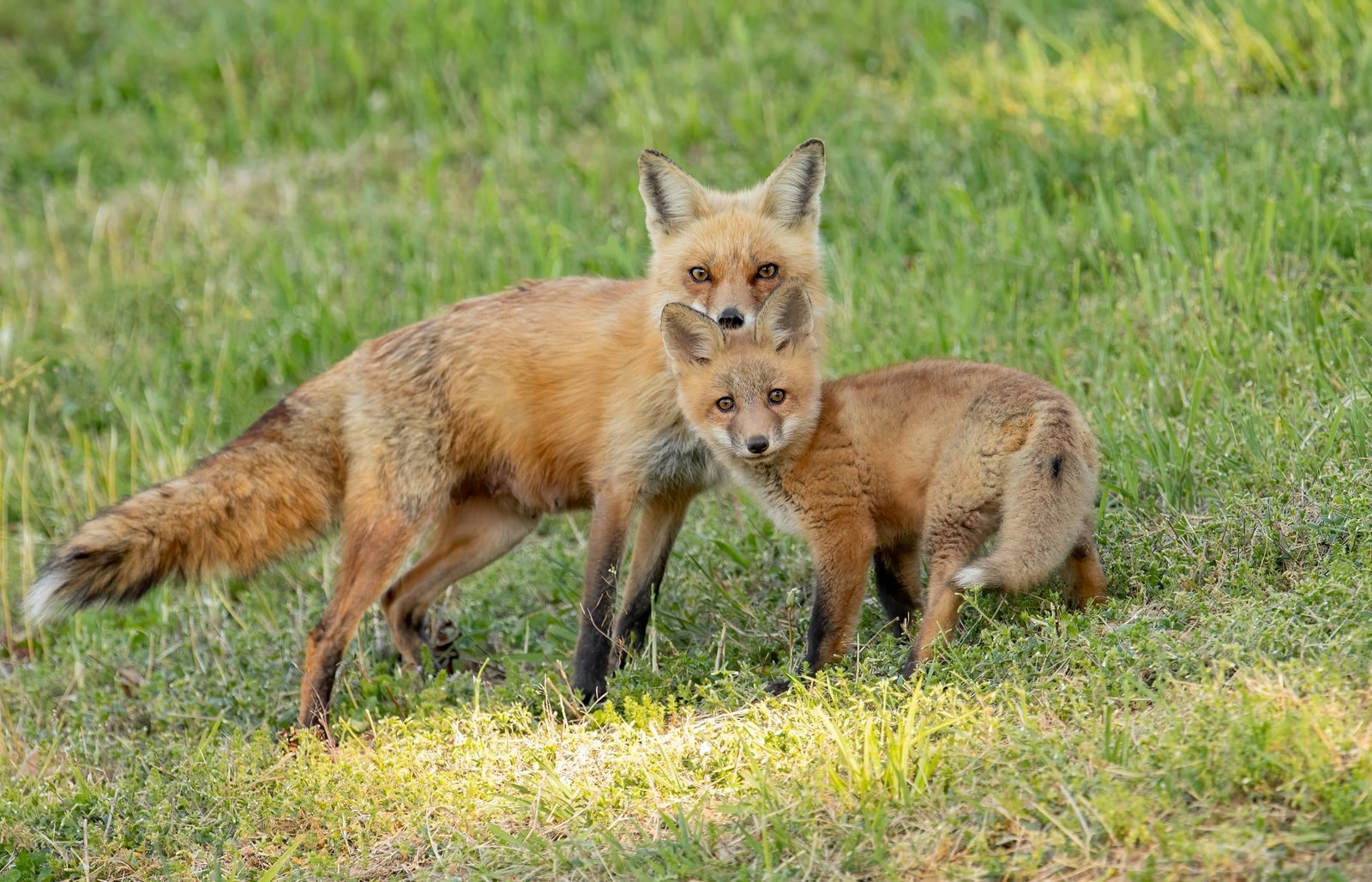
Young animals change the response
Foxes may use spaces beneath decks, sheds, porches, or outbuildings as seasonal den sites. Before disturbing a den, it is important to determine whether kits are present and whether the family is still actively using the location.
A daytime fox is not automatically sick. Adults may travel during daylight while feeding young. Distance, body condition, coordination, fear of people, and repeated behavior provide better context than time of day alone.
Remove the reason they keep returning
Secure animal feed and garbage
Feed pets indoors, clean grills, secure trash and compost, collect fallen fruit, and store poultry or livestock feed in wildlife-resistant containers.
Protect poultry and small livestock
Use a secure nighttime coop or shelter, strong fencing, a covered run where needed, and repair gaps at ground level before another attack occurs.
Supervise small pets
Keep cats indoors and accompany small dogs outside, especially from dusk through dawn and during spring denning season.
Avoid intentional feeding
Feeding can reduce natural wariness and create repeated close contact. Bird seed, outdoor pet food, and food for feral cats can also attract prey species.
Fox and coyote service questions
Do you remove every fox or coyote reported?
No. A normal sighting does not necessarily justify removal. We look for a documented conflict and consider practical deterrence, current rules, and targeted removal where appropriate.
Can captured foxes or coyotes be relocated?
Relocation is not something customers should assume. Illinois rules and professional wildlife practices determine disposition, and licensed operators must follow current requirements.
What if the animal follows me and my dog?
Do not run. Keep your dog close, face the animal, make yourself large, shout, and move away from the area. This can occur when people unknowingly approach a den.
Are gray foxes treated the same as red foxes?
No. Identification matters because Illinois harvest and removal rules can differ by species and may change. Gray foxes currently receive additional regulatory protection.
Dealing with a repeated fox or coyote conflict?
Schedule an inspection so D&K can identify the animal, document the behavior, and recommend practical, lawful next steps.