
PROFESSIONAL MILLIPEDE EXTERMINATION
Millipede Control Services
Exterior source control and entry prevention for seasonal millipede invasions.
D&K provides professional millipede control for homes throughout Chicago’s western suburbs. We inspect the damp exterior conditions producing millipedes, identify entry routes and treat the perimeter areas where large numbers gather.
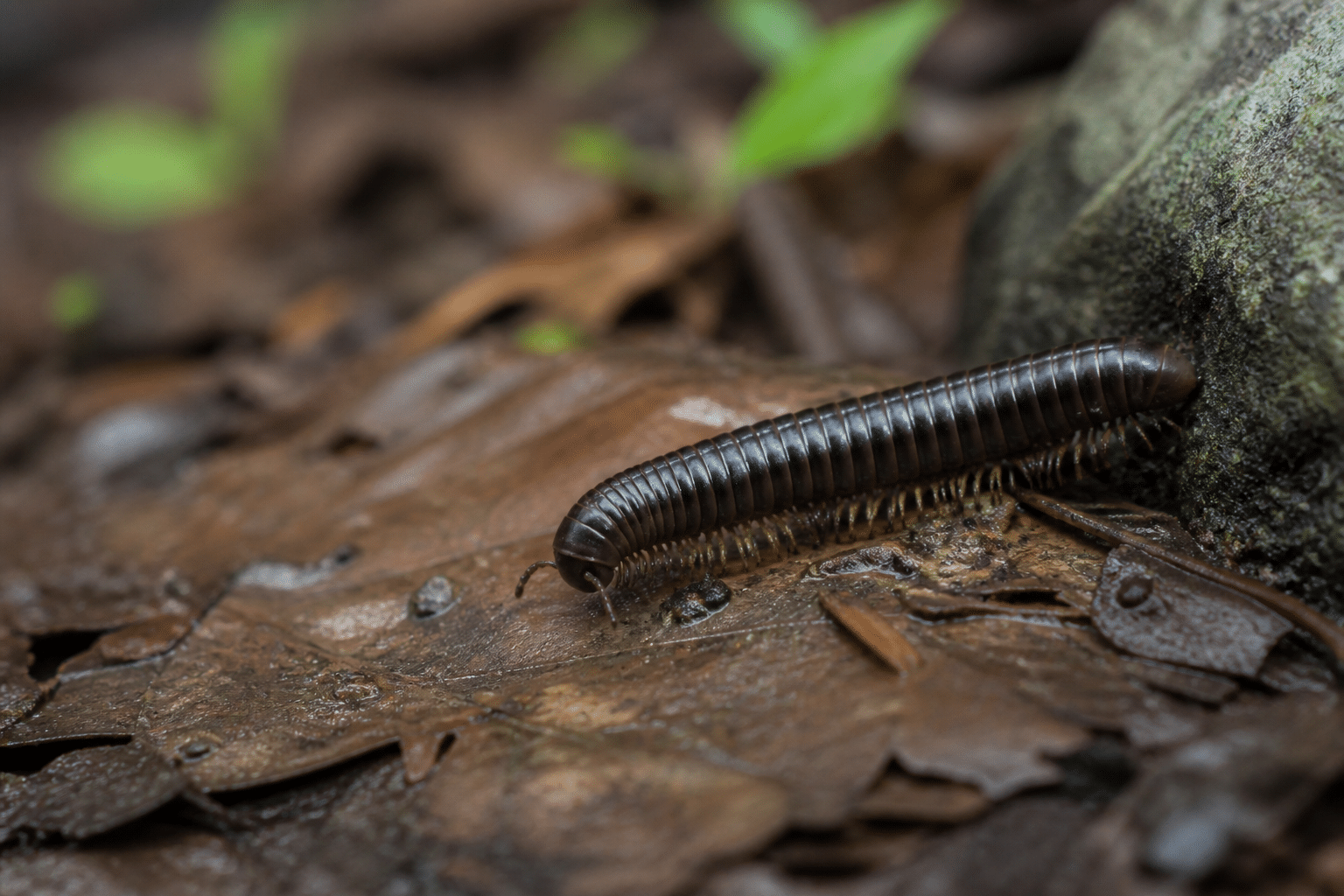
Millipede Problems Usually Begin Outdoors
Millipedes live in moist soil, mulch, leaves and decaying plant material. Heavy rain, drought, seasonal population growth or changes in soil moisture can trigger large migrations toward foundations and inside lower levels.
Indoor millipedes usually die because buildings are too dry for them to survive. Effective control focuses on reducing exterior habitat, treating gathering areas and sealing the routes they use to enter.
Our Millipede Control Process
Inspect the Perimeter
We locate damp mulch, leaf litter, drainage issues, foundation gaps and the sides of the home receiving the most activity.
Reduce Habitat
We recommend practical moisture and landscape changes that reduce shelter and decaying material near the foundation.
Treat Entry Zones
Exterior perimeter and crack treatments target millipedes before they cross into garages, basements and living areas.
Seal Access
Door sweeps, utility gaps, foundation cracks and basement openings are addressed to reduce continued entry.
Exterior Millipede Prevention
- Pull wet mulch and dense groundcover back from the foundation
- Remove leaf piles, grass clippings and decaying wood
- Correct downspout, grading and irrigation problems
- Allow soil beside the home to dry between watering
- Seal lower-level doors, utility gaps and foundation cracks
What to Do With Millipedes Indoors
Vacuuming or sweeping is usually the fastest way to remove millipedes already indoors. Crushing them can leave stains or an unpleasant odor from defensive secretions.
Because indoor millipedes are temporary invaders, repeated interior spraying does not correct the outdoor population or entry points driving the problem.
Millipede Control FAQs
Why are hundreds of millipedes appearing at once?
Will millipedes reproduce inside my home?
Are millipedes dangerous?
Learn about millipede identification, habits and the difference between millipedes and centipedes in our Millipedes of Illinois guide. Explore our professional pest control services.