
Bat removal Illinois homeowners can trust starts with understanding the state’s exclusion seasons. As summer winds down, young bats begin flying, colonies become more active, and homeowners may hear scratching in an attic, notice droppings below an entry point, or discover a bat inside the living space.
This also marks the beginning of an important window for humane bat exclusion. Our August bat-removal schedule is already nearly full, so homeowners who suspect bats should arrange an inspection as soon as possible. You can also learn more about our professional bat control services.
In This Article
Bats Are Beneficial—but They Don’t Belong in Your Attic
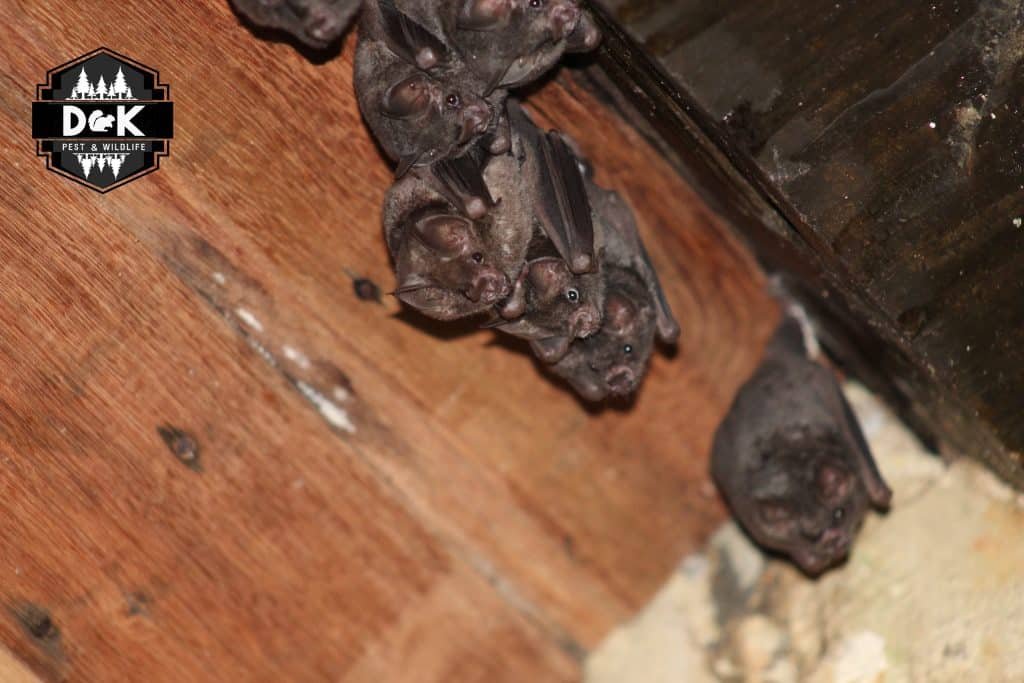
Bats sometimes get an unfair reputation. In reality, they are an important part of Illinois’ ecosystem. All 13 bat species found in the state eat insects, helping control moths, beetles, mosquitoes, and many agricultural pests.
Bats are not looking to attack people or damage homes. They often enter attics, soffits, chimneys, wall cavities, and other sheltered areas because those spaces resemble the protected roosts they would naturally use.
Although bats are beneficial outdoors, a colony inside a building can create problems. Guano and urine may accumulate, odors can develop, and bats can occasionally enter occupied rooms. That is why the goal is not to harm the animals—it is to move them out safely and prevent them from returning.
Bat Removal Illinois Rules: Why Eviction Timing Matters
All bats in Illinois are protected under the Illinois Wildlife Code, and permanent exclusions must follow the requirements of Title 17, Part 525 of the Illinois Administrative Code.
For a colony in an attic, soffit, chimney, wall, or another non-living space, routine permanent exclusion is generally permitted during two periods:
- March 15 through May 15, when the temperature is above 50°F at dusk
- August 5 through October 30, when the temperature is above 50°F at dusk
During the August window, reasonable care must also be taken to confirm that the young bats are capable of flying.
Routine exclusion is restricted from May 16 through August 4 because this is the maternity season. Female bats may be caring for pups that cannot fly. Installing one-way doors during this period could allow the mothers to leave while trapping their young inside.
Exclusion is also restricted from October 31 through March 14. Bats may be hibernating during cold weather and may not be able to leave a structure safely. Evicting them at the wrong time can cause unnecessary suffering and may leave bats trapped inside walls or attics.
Special situations may be handled outside the standard windows only after consultation with the Illinois Department of Natural Resources and issuance of the appropriate permit. These seasonal requirements are one reason professional bat removal Illinois work requires careful planning. A bat found in an actively occupied living space may be removed at any time.
How We Humanely Remove Bats
When homeowners search for bat removal Illinois help, they need more than someone who will seal a visible hole. Closing an active opening without first allowing the bats to leave can trap animals inside the building and make the problem worse.
Our exclusion process typically includes the steps below. For other nuisance animal concerns, explore our humane wildlife removal services.
1. Inspecting the structure
We examine the roofline, soffits, vents, flashing, siding, chimney, utility penetrations, and other possible entry areas. Bats can use very small gaps, so a detailed inspection is essential.
2. Identifying active exits
We look for staining, guano, worn areas, and other signs of activity. When needed, we observe the building around dusk to see where the bats emerge.
3. Sealing secondary openings
Potential entry points that are not currently being used are sealed so the bats cannot simply move to another part of the structure.
4. Installing one-way exclusion devices
Specially designed devices are installed over active openings. These allow bats to leave for their normal nighttime feeding but prevent them from getting back inside.
5. Permanently sealing the final openings
After confirming that the bats have exited, the one-way devices are removed and the remaining openings are permanently sealed.
This process removes the colony without poisons or unnecessary harm while protecting the home from future reentry.
What Should You Do If a Bat Is Inside Your Home?
A bat flying through a bedroom or other occupied room is different from a colony living in an attic.
Do not touch the bat with bare hands. Close interior doors to contain it if this can be done safely, keep children and pets away, and contact a wildlife professional or local animal control agency.
If the bat was in a room with someone who was sleeping, intoxicated, unconscious, very young, or unable to reliably report contact, do not release it until you have spoken with your local health department. Bat bites can be extremely difficult to see, and the health department may recommend rabies testing or additional medical guidance.
The Illinois Department of Public Health provides additional information about bat encounters, rabies exposure, and safe exclusion.
Signs You May Have Bats
Common signs of bat activity include:
- Scratching or squeaking sounds around dusk or before sunrise
- Small, dark droppings below an attic, soffit, or roof opening
- Brown or dark staining near gaps in the exterior
- Bats repeatedly flying around the roofline at sunset
- A bat appearing inside the living space
- Strong or unusual odors coming from an attic or wall cavity
One bat inside the house does not always mean there is a colony, but repeated sightings should be investigated.
Schedule Your Illinois Bat Inspection Early
The legal fall exclusion window begins August 5, making late summer and early fall one of the best times to address a bat colony. For families comparing bat removal Illinois providers, this limited window makes early scheduling especially important. It gives young bats time to become capable of flight while allowing the exclusion to be completed before cold weather and hibernation season arrive.
Because the available window is limited—and our August calendar is already nearly full—we recommend scheduling an inspection as soon as you notice signs of activity.
For humane bat removal Illinois homeowners can count on, contact D&K Pest Control and Wildlife Removal today to arrange a professional inspection and exclusion plan.